Top Landscaping Services in Hancock, NH, 03449 | Compare & Call
There are 42 landscaping companies server in Hancock NH
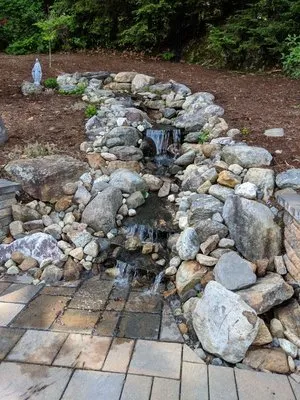
Key Landscape & Irrigation was founded in Keene by a local graduate of Keene High School who served as a US Air Force crew chief before earning a degree in Landscape Operations from UMASS Amherst. Sta...

Hi, I'm Lawrence, the owner and sole operator of Lawrences Outside Work. I'm a 25-year-old Keene resident who genuinely loves being outside and working with my hands. I started this business because I...

Land Art is a premier landscaping and masonry company proudly serving Keene, NH, and the surrounding Monadnock Region. We specialize in creating and maintaining beautiful, functional outdoor spaces th...
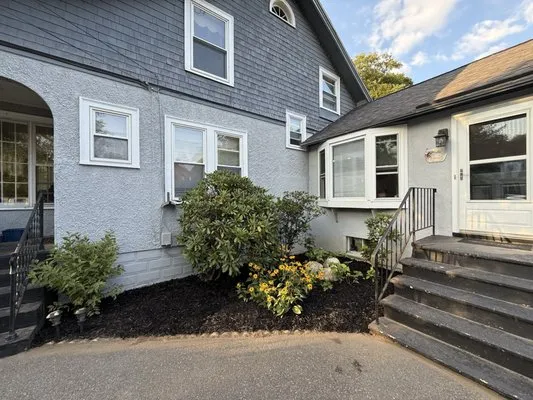
Bruces Property Services
Bruces Property Services in Hinsdale, NH, is a family-inspired landscaping company dedicated to honest, quality work across New Hampshire and Vermont. Founded by a passion passed down from a father wh...

Fenrir Labor, based in Swanzey, NH, is a local business dedicated to helping homeowners and residents with a wide range of tasks. With over a decade of experience in business operations, customer serv...
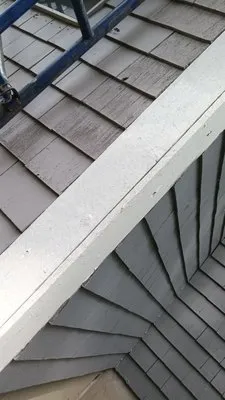
Sasseville Landscape & More is a family-owned and operated business built from the ground up in Peterborough, NH. Founded by Ronnie, the company was started on a simple passion for working independent...
Ron's Landscaping is a trusted, locally-owned service dedicated to keeping Marlborough's properties beautiful and resilient. We specialize in addressing the specific challenges homeowners face in our ...

Clean Creations in Bedford, NH, is the vision of owner Alicia Gibson, a fine artist, ultra runner, and dedicated single mom. Her business uniquely blends artistic vision with a deep appreciation for N...
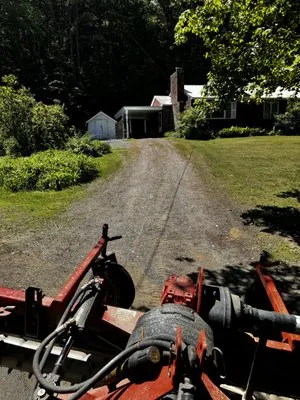
Howard Construction is a trusted excavation and landscaping contractor serving Spofford, NH, and the surrounding region. We specialize in transforming challenging properties into functional and beauti...

JCL Septic Services LLP
JCL Septic Services LLP is your trusted, local partner for septic, excavation, and landscaping needs in Bennington, NH. We specialize in precise excavation and trench digging services that directly ad...
Estimated Landscaping Service Costs in Hancock, NH
Frequently Asked Questions
I see a lot of Japanese Barberry and Burning Bush in town. Should I be concerned, and how do I remove them safely?
Yes, both are invasive species that outcompete native flora and alter soil ecology. Mechanical removal is best, ensuring the root system is entirely extracted. Any subsequent soil amendment or replanting must follow the NHDES nutrient management guidelines, which may restrict certain fertilizer types and application timings. We recommend replacing them with non-invasive natives like Sugar Maple or Highbush Blueberry, which require no chemical inputs to thrive in our native soil pH.
I want a new patio but worry about maintenance and fire risk. Is fieldstone better than composite decking?
For longevity and fire resilience, native New England fieldstone is superior. It is non-combustible, making it an ideal material for creating defensible space in Hancock's Moderate Wildland-Urban Interface rating zones. Unlike wood or composite, fieldstone requires no sealing, won't rot, and has a virtually unlimited lifespan. Its thermal mass also moderates temperature swings, and when laid with permeable joints, it manages stormwater effectively, meeting modern runoff requirements.
I'm tired of weekly mowing and gas blowers. Are there quieter, lower-maintenance options for my yard?
Absolutely. Transitioning areas of high-maintenance turf to a layered planting of Hancock natives like Canada Anemone, Joe-Pye Weed, and Highbush Blueberry drastically reduces mowing and eliminates leaf-blowing needs. These plants are adapted to our Zone 5b climate and acidic soil, requiring no irrigation once established. This shift pre-empts evolving noise ordinances targeting gas-powered equipment and creates a higher-biodiversity landscape that supports local pollinators.
My yard turns into a pond every spring, and I've heard frost heave is a problem here. What's the solution?
This is a classic Hancock issue due to a high seasonal water table meeting our dense, acidic sandy loam. Surface water cannot percolate quickly, causing saturation and subsequent frost heave. The solution is a subsurface French drain system that intercepts water at depth and conveys it away from the foundation. Using permeable New England fieldstone for any new patios or walkways further reduces surface runoff, which the Hancock Planning Board now encourages in their site review standards.
A storm knocked down a large branch, and my HOA requires cleanup within 48 hours. How fast can a crew get here?
For emergency response, a crew dispatches from our central yard near the Hancock Meeting House. The primary route is NH-123, which provides the most reliable access to Hancock Village. Accounting for typical post-storm debris and traffic, the estimated travel time is 45 to 60 minutes. We coordinate arrival windows precisely to mobilize quickly while ensuring crew safety on congested or debris-laden roads.
I want to regrade a soggy section of my 1.5-acre lot. Do I need a permit, and what should I look for in a contractor?
Significant regrading on a 1.5-acre parcel in Hancock almost always requires a permit from the Hancock Planning Board, as it alters stormwater flow patterns. The work must be performed by a licensed professional. Ensure your contractor holds current membership with the New Hampshire Landscape Association (NHLA), which mandates adherence to state best practices for erosion control and nutrient management. This licensing is your assurance that the work will meet code and protect your property's long-term value.
We're under voluntary water conservation. Can I still keep my Kentucky Bluegrass lawn green all summer?
Yes, but it requires precision. Smart Wi-Fi soil moisture sensors are critical; they apply water only when the root zone's volumetric water content drops below a set threshold, eliminating calendar-based waste. This ET-based approach can reduce water use by 20-40% while preserving the grass. It aligns perfectly with Hancock's Stage 0 voluntary conservation by preventing runoff and deep percolation losses, keeping usage well within municipal guidelines.
My lawn looks tired, and my neighbor says it's because our old soil is 'worn out.' Is that true?
Soil in Hancock Village, where most homes were built around 1938, has had nearly 90 years to mature. This long history under primarily turfgrass has likely compacted the native acidic sandy loam, reducing pore space and microbial activity. The result is a dense profile with poor percolation and limited nutrient cycling, which starves grassroots. Core aeration and incorporating compost are not optional; they are essential annual practices to reintroduce organic matter and restore soil structure for healthy growth.
