Top Landscaping Services in Hampton, NH, 03842 | Compare & Call
There are 116 landscaping companies server in Hampton NH
Doane's Landscaping has been shaping the outdoor spaces of Hampton, NH, and the greater Seacoast region since 2002. As a local, family-operated business, we understand the specific challenges and beau...
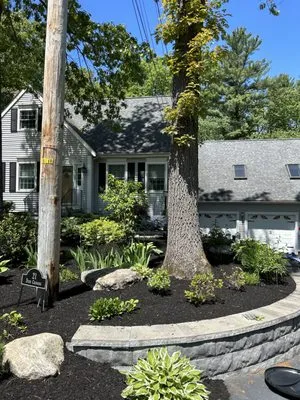
Caden Reardon is a trusted landscaping professional serving Seabrook, NH, dedicated to addressing common local landscaping challenges. Many homes in the area face issues like poor lawn grading and lan...
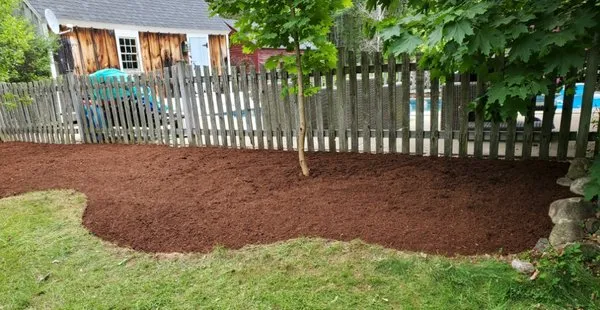
Chapman's Lawn Care and Maintenance is a trusted local provider in Hampton, NH, specializing in comprehensive lawn care services. Many Hampton homeowners face common landscaping challenges like sprink...
Collins Outdoor Solutions
Serving Hampton, NH, and the surrounding Seacoast region for over 13 years, Collins Outdoor Solutions is a licensed, full-service provider dedicated to enhancing outdoor living spaces. Our experienced...
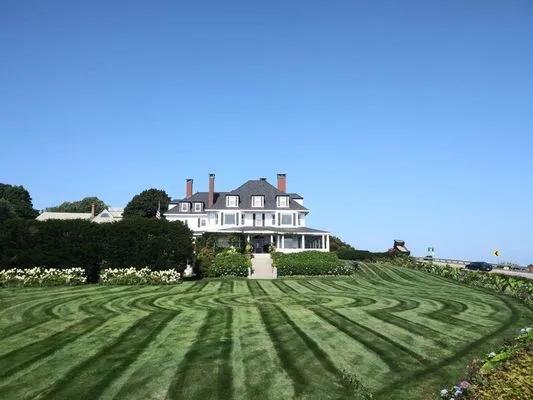
Green Grass Lawn Care has been serving North Hampton, NH, since 1991, founded by Erik Sweetser, who holds a Bachelor of Science in Plant Biology from UNH. As a licensed lawn care and pest control prov...
A & L Landscaping is a trusted, locally-owned lawn care service provider based right in Hampton, NH, dedicated to serving the Seacoast area and surrounding communities. We specialize in comprehensive ...
Taurus Landscape is a trusted, locally-owned landscaping company serving homeowners in Hampton, NH. We understand the unique challenges of our coastal environment, including persistent weed infestatio...
Landwright
Landwright is a trusted landscaping company serving Hampton, NH, specializing in landscape design, maintenance, and tree care services. We understand that many local homeowners face common challenges ...
Aqua Tech Irrigation & Landscape Construction is a family-owned business with over two decades of experience serving Hampton, NH, and the broader Seacoast area. We specialize in creating and maintaini...
Landwright is a North Hampton-based landscape architecture and tree care firm dedicated to enhancing and preserving the natural beauty of local properties. We specialize in comprehensive landscape des...
Estimated Landscaping Service Costs in Hampton, NH
Questions and Answers
Are permeable pavers a better long-term choice than wood for a new patio?
For longevity and performance in Hampton, permeable concrete pavers significantly outperform wood. They resist rot, salt corrosion, and insect damage, with a lifespan exceeding 25 years. From a safety perspective, their non-combustible nature contributes directly to your property's NFPA Moderate Fire Wise rating by maintaining defensible space. Their installation also manages site runoff, a key permitting consideration near the coast.
How can I keep my lawn green during summer while following water conservation rules?
Under Stage 1 voluntary conservation, efficient water use is critical. A Wi-Fi ET-based weather-sensing irrigation system is the standard solution. It automatically adjusts runtimes by calculating daily evapotranspiration rates, applying water only when your Kentucky Bluegrass and Fine Fescue mix truly needs it. This technology can reduce potable water use by up to 30% compared to traditional timers, keeping turf healthy within municipal guidelines.
How quickly can you respond for an emergency storm cleanup to avoid HOA fines?
For urgent post-storm compliance, our electric fleet can dispatch from the Hampton Beach State Park area. Using NH-101, we navigate to Hampton Beach Residential with a typical peak response window of 20-30 minutes. We coordinate directly with HOA managers to document conditions and execute debris removal within local noise ordinance hours, ensuring rapid restoration of defensible space and property safety.
Why is professional licensing so important for grading and drainage work on my property?
Altering the grade on a 0.22-acre lot in a coastal floodplain involves critical engineering. The Hampton Planning Department requires permits for such work to ensure it doesn't adversely affect neighboring properties or municipal drainage. Hiring a New Hampshire Landscape Association licensed professional guarantees that the design complies with state sediment control laws and local ordinances, protecting you from liability and costly corrective orders.
Why does my soil seem so compacted and poor compared to newer neighborhoods?
Houses built around 1976 in Hampton Beach Residential have soil that is approximately 50 years old. Decades of foot traffic and traditional maintenance have compacted the native acidic sandy loam, reducing its permeability and organic matter content. This soil profile, with a pH of 5.5-6.2, often requires core aeration and amendments like composted leaf mold to rebuild structure and support healthy root systems for your turf and plantings.
My yard floods during heavy rains. What's a permanent solution for this sandy soil?
Coastal storm surge and the poor infiltration of compacted sandy loam create chronic surface water. The engineered solution involves regrading to create positive drainage away from foundations and installing subsurface French drains. Where hardscape is needed, we specify permeable concrete pavers, which meet Hampton Planning Department runoff standards by allowing rainwater to percolate into the soil matrix rather than contributing to overloaded storm systems.
What should I do about invasive weeds without using restricted fertilizers?
Common invasive alerts for this area include Oriental Bittersweet and Japanese Knotweed. Treatment focuses on mechanical removal and targeted, professional-grade herbicide applications timed for early fall when plants translocate chemicals to their root systems. Crucially, these protocols comply with New Hampshire's statewide phosphorus ban, as we use no phosphorus-containing products except for legally exempt new lawn establishment.
Is there a lower-maintenance, eco-friendly alternative to my high-input lawn?
Transitioning perimeter areas to a xeriscape of native coastal plants is a forward-looking strategy. Species like Beach Plum, Bayberry, Switchgrass, and Seaside Goldenrod are adapted to our Zone 6b climate, acidic soil, and salt spray. Once established, they require no irrigation, minimal pruning, and support local pollinators. This shift also reduces dependency on gas-powered blowers and mowers, aligning with tightening noise ordinances and biodiversity goals.
