Top Landscaping Services in Hampton Falls, NH, 03844 | Compare & Call
There are 76 landscaping companies server in Hampton Falls NH
All Phase Paving & Excavating
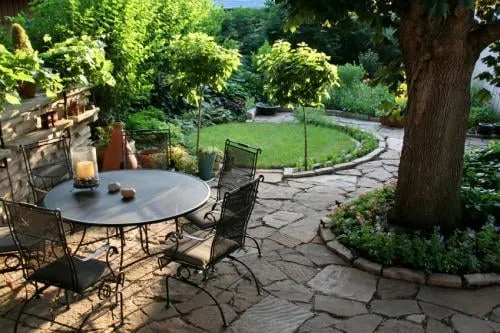
All Phase Paving & Excavating is a trusted, family-run business serving Raymond and Southern New Hampshire since 2003. With roots in the industry dating back to the early 1990s, owner Rob brings over ...
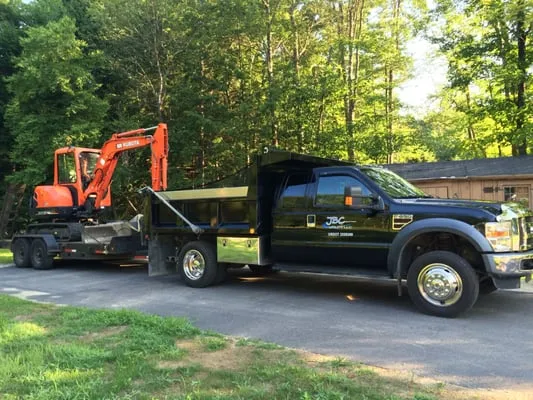
JBC Utility LLC is a locally-owned and operated business in Bow, founded by James and Betty, who bring over 20 years of construction industry experience. As a minority-owned company, they specialize i...
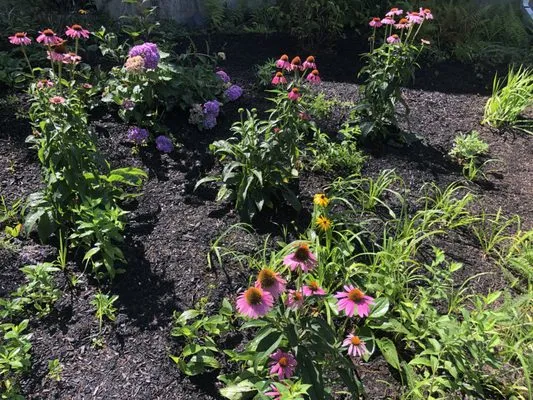
Stage Road Gardens is a Nottingham-based garden design and landscaping service dedicated to creating beautiful, sustainable outdoor spaces for homeowners across Southeastern New Hampshire and Southern...
Organic First Lawn Care
Organic First Lawn Care is a locally owned and operated provider in Portsmouth, NH, dedicated to maintaining healthy, beautiful outdoor spaces using eco-friendly methods. We specialize in comprehensiv...
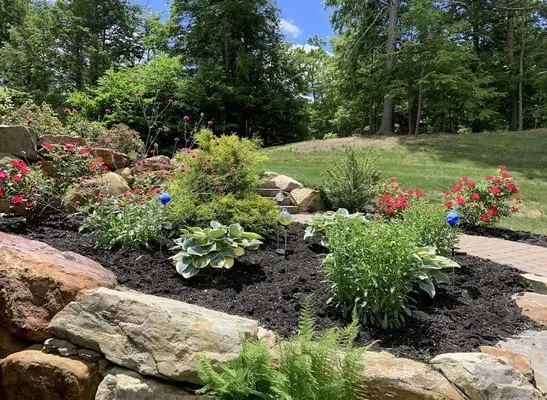
Since 1984, Bio-Spray has been a trusted, family-owned business serving the Seacoast region, including Greenland, NH. We specialize in expert lawn care and environmentally conscious pest control, help...
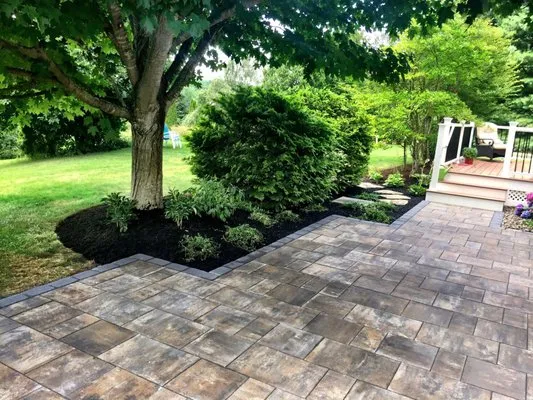
Lang's Landscape Service is a family-owned landscape company serving Greenland, NH, and surrounding areas since 1986. With nearly 70 years of combined experience, our team includes certified landscape...
Greenskeeper has been the trusted name for lawn care in Plaistow, NH, for over three decades. Founded on a commitment to reliable, effective service, our team brings generations of local knowledge to ...
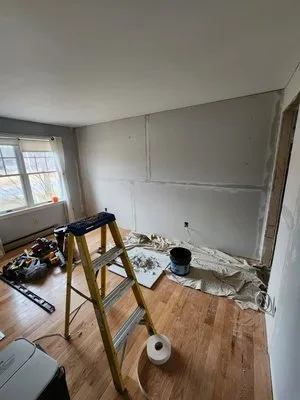
GreenStripe Property Services is a comprehensive property management company based in Pelham, NH, with over 25 years of experience in landscaping and 40 years in masonry. We specialize in kitchen and ...
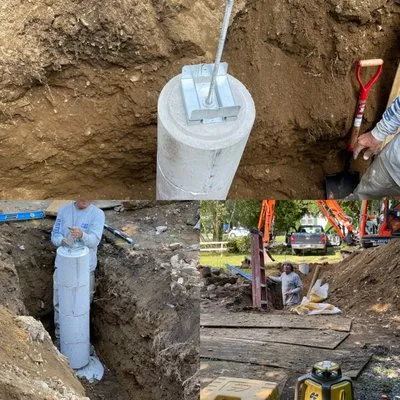
The Tractor Guy brings deep-rooted expertise to Atkinson's excavation and landscaping needs. My journey began on a farm, where I first operated tractors and handled land work. After trade school as a ...
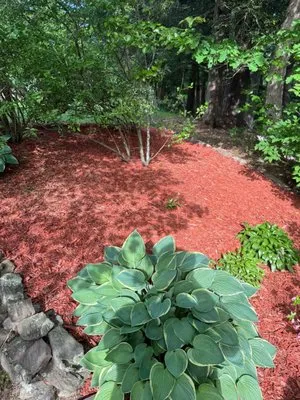
Maher Landscaping is a locally owned and insured landscaping company serving Chester, NH, with many years of hands-on experience in lawn care and shrub maintenance. We focus on building lasting relati...
Estimated Landscaping Service Costs in Hampton Falls, NH
FAQs
Our Hampton Falls Center yard has drainage issues and thin grass. Could this be related to our property's age?
Properties built around 1979, like many in Hampton Falls Center, have approximately 47 years of soil development. Acidic sandy loam soils in this area naturally compact over decades, reducing permeability. Core aeration with organic amendments like composted leaf mold addresses this by improving soil structure and water infiltration. This treatment mimics natural forest floor processes, creating healthier conditions for Kentucky bluegrass and fine fescue mixes.
We need emergency storm cleanup to meet HOA requirements. What's your typical response time?
Our electric maintenance fleet departs from the Town Common area and accesses Hampton Falls Center via I-95. During peak conditions, we maintain a 20-30 minute response window. This routing avoids residential congestion while complying with standard noise ordinances. We prioritize safety assessments before beginning debris removal on 1.5-acre properties.
Should we use granite or wood for our new patio considering fire safety?
Granite pavers with crushed stone bases offer superior longevity compared to wood in Hampton Falls' climate. This non-combustible material supports NFPA Firewise USA moderate rating requirements by creating defensible space around structures. Granite withstands freeze-thaw cycles without deterioration and requires minimal maintenance. The thermal mass properties also moderate temperature extremes in adjacent planting beds.
What permits and qualifications should we verify for grading our 1.5-acre lot?
Grading work on 1.5-acre properties in Hampton Falls requires Hampton Falls Building & Planning Department permits for erosion control and drainage alterations. New Hampshire Landscape Association licensing ensures contractors understand RSA 431 phosphorus regulations and proper soil management techniques. Significant earth moving may trigger additional review for wetland buffers or septic system protection. Always request certificate of insurance and verification of electric equipment compliance for noise-sensitive areas.
Our yard floods every spring. What solutions work with Hampton Falls' high water table?
Acidic sandy loam soils in this area exhibit poor infiltration due to seasonal high water tables. Permeable granite paver systems with crushed stone bases create subsurface drainage channels that meet Hampton Falls Building & Planning Department runoff standards. These installations redirect water away from foundations while maintaining soil structure. For severe cases, French drains with clean stone aggregate provide additional capacity.
We want to reduce lawn maintenance and noise. What native options work here?
Replacing high-maintenance turf with Eastern redbud, highbush blueberry, New England aster, and Joe-Pye weed creates a resilient landscape. These natives require minimal irrigation once established and eliminate weekly mowing from May through October. The transition reduces gas-powered equipment use, aligning with evolving noise ordinance considerations. Native plantings also support local pollinators and require only annual pruning.
How can we maintain our lawn during drought conditions without violating water restrictions?
Wi-Fi ET-based weather sensing irrigation calculates evapotranspiration rates specific to Hampton Falls' microclimate. This system applies water only when soil moisture drops below optimal levels for Kentucky bluegrass and fine fescue. During normal monitoring periods, it can reduce water use by 30-40% compared to traditional timers. The technology automatically adjusts for seasonal drought alerts while preserving turf health.
We've spotted invasive Japanese knotweed. How do we treat it safely?
Japanese knotweed presents significant risks in Hampton Falls' acidic sandy loam. Mechanical removal followed by targeted glyphosate application during active growth phases proves most effective. Treatment must avoid statewide phosphorus reduction regulation blackout dates per RSA 431. For established infestations, smothering with heavy geotextile fabric for two growing seasons prevents regrowth. Always consult New Hampshire Landscape Association members for proper disposal methods.
