Top Landscaping Services in Hampton Beach, NH, 03842 | Compare & Call
There are 83 landscaping companies server in Hampton Beach NH
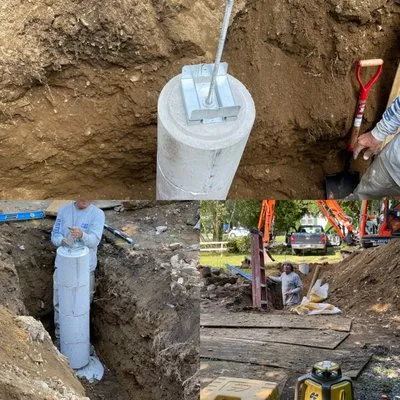
The Tractor Guy brings deep-rooted expertise to Atkinson's excavation and landscaping needs. My journey began on a farm, where I first operated tractors and handled land work. After trade school as a ...
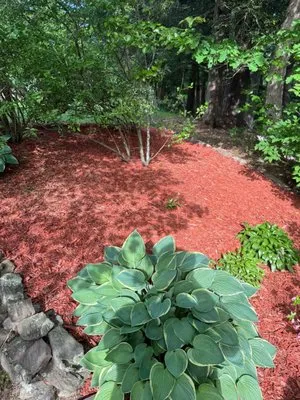
Maher Landscaping is a locally owned and insured landscaping company serving Chester, NH, with many years of hands-on experience in lawn care and shrub maintenance. We focus on building lasting relati...
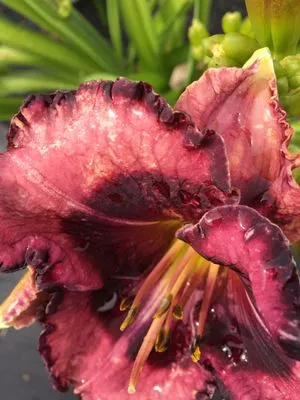
Clean Creations in Bedford, NH, is the vision of owner Alicia Gibson, a fine artist, ultra runner, and dedicated single mom. Her business uniquely blends artistic vision with a deep appreciation for N...

Clipper Landscaping
Founded in 2012, Clipper Landscaping is a locally owned and operated company in Portsmouth, NH, dedicated to providing reliable, year-round care for both residential and commercial properties. With de...
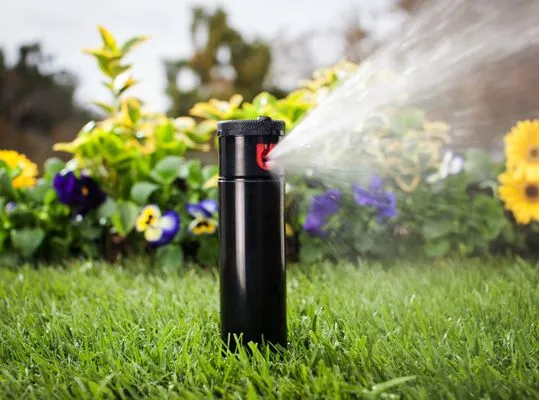
Abenaki Landscape & Irrigation
For over 25 years, Abenaki Landscape & Irrigation has been the trusted name for irrigation and landscape design on the NH Seacoast and into southern Maine. Our certified team builds its reputation as ...
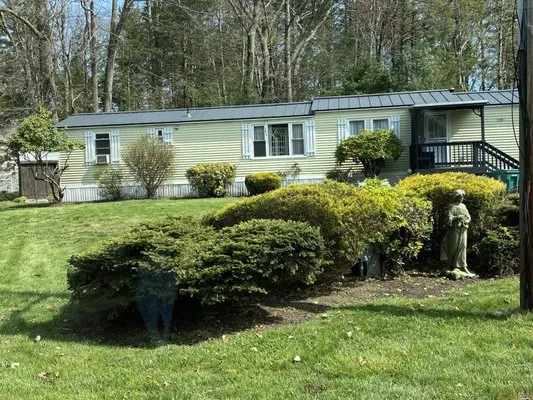
M & M Landscaping LLC is a licensed and A+ BBB-rated landscaping company proudly serving Hampton, NH, and the broader Seacoast region. We provide reliable and customized landscaping services for both ...

DP Landscaping is a full-service landscaping company serving Portsmouth, NH, and the surrounding Seacoast region. We specialize in comprehensive landscape solutions, from earthmoving and hardscaping t...

Haraden Landscaping is a locally-owned and operated service founded by Jack Haraden, a Hampton native who turned his lifelong passion for the outdoors into a profession. After earning his Associate's ...

For three decades, Hampton Sand & Gravel has been a cornerstone of the Hampton and Seacoast landscape supply community. As a family-run business located right on Route 1 at 564 Lafayette Rd, we've bui...
Mr Hydroseed is your Hampton, NH, neighbor for solving tough landscaping and groundwork challenges. We specialize in professional excavation, lawn care, and trench digging services tailored to the Sea...
Estimated Landscaping Service Costs in Hampton Beach, NH
Questions and Answers
We've spotted invasive Japanese knotweed near our property line. How should we handle it?
Japanese knotweed requires immediate containment before it spreads through sandy soils. Professional applicators use targeted glyphosate treatments during active growth periods, avoiding NH RSA 431 fertilizer blackout dates. Complete eradication requires 3-5 years of monitored follow-up with mechanical removal of rhizomes. Never compost infected material, as fragments can regenerate and contaminate new areas.
Our Hampton Beach Village District yard seems compacted and drains poorly. What's the soil history here?
Homes built around 1973 have 53-year-old soil profiles. Sandy loam in coastal lots loses structure over decades, developing hardpan layers that restrict root growth and water infiltration. Core aeration every 2-3 years breaks up compaction, while adding 2-3 inches of composted organic matter improves water retention in these pH 5.5-6.5 substrates. This addresses the poor infiltration common in Hampton Beach's sandy substrates.
What permits and licenses are needed for regrading our 0.12-acre lot?
Grading that alters drainage patterns or moves more than 50 cubic yards of material requires Hampton Planning and Building Department review. Contractors must hold New Hampshire Landscape Association certification and NH Secretary of State business registration. On small 0.12-acre parcels, improper grading can trigger neighbor disputes and erosion violations, making professional licensing essential for compliance with coastal setback and runoff regulations.
What low-maintenance alternatives exist for our high-water turf areas?
Transitioning to native plantings like Beach Plum, Bayberry, and Seaside Goldenrod creates resilient landscapes requiring minimal irrigation once established. These species tolerate salt spray, sandy soils, and coastal winds while supporting local pollinators. This approach reduces mowing frequency and eliminates gas-powered blower use, aligning with evolving noise ordinances and 2026 biodiversity standards for coastal communities.
Should we use permeable pavers or wood for our new patio in this fire-prone area?
Permeable concrete pavers outperform wood in coastal environments, resisting salt corrosion and lasting 25+ years versus wood's 10-15 year lifespan with constant maintenance. For Moderate Coastal WUI fire zones, pavers create defensible space without combustible materials, while their permeability reduces runoff that could transport embers during wildfire events. Granite curbing provides additional firebreak protection along property edges.
Our yard floods during coastal storms. What drainage solutions work with Hampton's sandy soil?
Sandy loam's rapid initial permeability masks underlying compaction layers that cause ponding during surge events. Installing French drains with clean gravel and geotextile fabric redirects subsurface water away from foundations. Permeable concrete pavers as patios or walkways meet Hampton Planning Department runoff standards by allowing 5-8 inches per hour infiltration, reducing surface water accumulation during heavy rainfall.
We need emergency storm cleanup before HOA inspection tomorrow. What's your response protocol?
Our electric maintenance fleet dispatches from Hampton Beach State Park via NH-1A, reaching Hampton Beach Village District within 20-30 minutes during peak conditions. We prioritize debris removal from walkways and drainage channels using battery-powered equipment that complies with municipal 8:00 AM-8:00 PM noise ordinances. This rapid response prevents secondary water damage to foundations and hardscapes.
How do we maintain our Kentucky Bluegrass/Fine Fescue blend during Stage 1 water restrictions?
Smart Wi-Fi ET-based weather sensing irrigation calculates evapotranspiration rates daily, applying only the water turfgrass actually needs. This system typically reduces water use 30-40% while preserving turf health, staying well within Hampton's voluntary conservation guidelines. Programming deep, infrequent watering cycles at dawn maximizes absorption in sandy loam soils before daytime evaporation losses occur.
