Top Landscaping Services in Grafton, NH, 03240 | Compare & Call


Nature Scapes, based in Grafton, New Hampshire, is a water feature design and installation company with over 23 years of dedicated experience. Founded and operated by Sean and April, the team brings d...
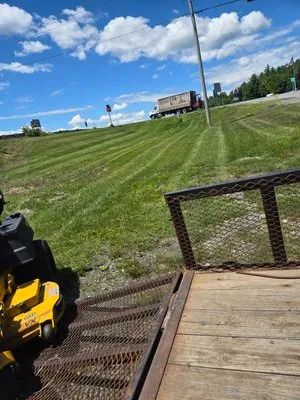
RLG Property Services is your trusted local lawn care expert serving Grafton, NH. We specialize in comprehensive lawn care solutions designed to address common landscaping challenges faced by homeowne...
FAQs
How do I keep my Kentucky Bluegrass lawn healthy without wasting water?
Efficient irrigation in Grafton relies on technology that responds to actual soil conditions. A Soil Moisture Sensor (SMS) controller is essential; it overrides scheduled watering when the soil is already wet, preventing over-irrigation. This system tailors watering to the specific needs of your bluegrass-fescue mix and the local evapotranspiration rate, conserving significant water while maintaining turf health. Even without formal restrictions, this is a best practice for managing our variable spring thaw and summer dry spells.
Is granite or pressure-treated wood better for a new patio in Grafton?
For longevity and ecological function, local granite is superior. Unlike wood, which requires chemical treatments and regular replacement, granite cobblestone or flagstone is permanent, frost-heave resistant, and requires no maintenance. In Grafton's Moderate Wildland-Urban Interface rating, using non-combustible granite for patios or walkways within 30 feet of your home also contributes to defensible space. Its permeability, when installed with appropriate base materials, further aids in managing the site's drainage.
What are the biggest threats to my landscape's health, and how are they treated?
Invasive plants like Japanese Knotweed and Glossy Buckthorn are primary threats, outcompeting natives and degrading soil health. Treatment requires a targeted, multi-year strategy using precise herbicide applications or mechanical removal during specific growth stages. All treatments strictly follow state BMP guidelines, which prohibit phosphorus-containing fertilizers near water bodies and dictate application timing to protect local watersheds. The goal is eradication without harming the existing soil microbiome or violating local ordinances.
Why does my lawn in Grafton Center struggle, and what's the first thing I should do to fix it?
Your soil is a legacy of the area's original forest and development in the 1980s. With a typical lot age of 42 years, the acidic sandy loam has become compacted and depleted of organic matter from decades of use. This compaction limits root growth and water infiltration, especially problematic with our seasonal spring saturation. Core aeration followed by a top-dressing of compost is the foundational step to rebuild soil structure and biology, directly addressing the low pH and poor permeability common in this neighborhood.
I want to reduce mowing and support pollinators. What should I plant?
Transitioning to a climate-adapted landscape is a strategic move. We recommend phased replacement of high-maintenance turf with layered plantings of New Hampshire natives like Highbush Blueberry, Joe-Pye Weed, and New England Aster. These species are adapted to our Zone 5a climate and acidic soils, requiring no fertilizer, minimal water once established, and providing critical habitat. This shift reduces dependency on gas-powered mowers and blowers, aligning with evolving noise ordinances and biodiversity goals for 2026.
How quickly can you respond to an emergency like a storm-damaged tree blocking a driveway?
For urgent safety issues, we prioritize dispatch from our central staging near the Grafton Town Hall. Our crews can typically be en route via US Route 4 within 30 minutes of contact, with an estimated arrival of 45-60 minutes during peak periods for locations within Grafton. This accounts for traffic and the need to mobilize appropriate electric-powered equipment that complies with local noise ordinances, ensuring a swift and compliant response to secure your property.
My yard turns into a swamp every spring. What's a long-term solution?
Spring saturation is a chronic issue in Grafton's sandy loam, which has a naturally slow percolation rate when compacted. The solution integrates grading and permeable materials. We regrade to direct surface flow away from foundations and towards designated infiltration areas. Using local granite cobblestone or crushed stone for walkways and patios adds permeable surface area, helping water infiltrate on-site. This approach often meets Grafton Planning Board standards for managing stormwater runoff from residential properties.
Do I need a permit to regrade my 2.5-acre lot, and what kind of contractor should I hire?
Yes, significant regrading on a lot of this size typically requires review by the Grafton Planning Board to ensure compliance with erosion control and stormwater management regulations. It is critical to hire a licensed professional. In New Hampshire, look for a contractor certified by the New Hampshire Landscape Association (NHLA) or holding appropriate sitework licensing. This ensures they understand the technical specifications for soil compaction, slope stabilization, and drainage necessary to execute the plan legally and effectively on a large property.
