Top Landscaping Services in Dover, NH, 03820 | Compare & Call
There are 118 landscaping companies server in Dover NH
Charles C Hugo Landscape Design is a trusted local landscaping company serving Rollinsford, NH, and the surrounding Seacoast region. Specializing in comprehensive landscape solutions, we help homeowne...
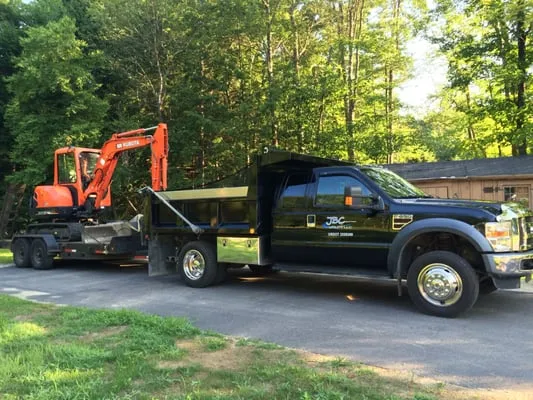
JBC Utility LLC is a locally-owned and operated business in Bow, founded by James and Betty, who bring over 20 years of construction industry experience. As a minority-owned company, they specialize i...
Pierce Landscape is a full-service landscaping company serving Wakefield, NH, and the surrounding areas. We specialize in comprehensive landscape solutions, from design and construction to ongoing mai...
WJD Landscapes is a Rochester-based landscaping company founded in 2020, built on a foundation of over ten years of hands-on industry experience. We serve homeowners and businesses throughout the loca...
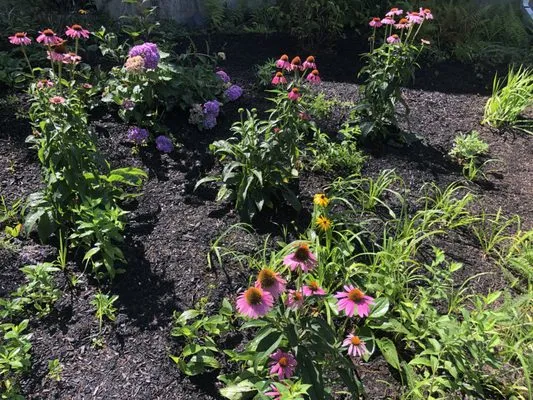
Stage Road Gardens is a Nottingham-based garden design and landscaping service dedicated to creating beautiful, sustainable outdoor spaces for homeowners across Southeastern New Hampshire and Southern...
Dudley Site Work Septic Repair Tree Work
Dudley Site Work Septic Repair Tree Work is your trusted local partner for a healthy, beautiful property in Sanbornville, NH. We specialize in landscaping, septic repair, and tree services, offering c...
Organic First Lawn Care
Organic First Lawn Care is a locally owned and operated provider in Portsmouth, NH, dedicated to maintaining healthy, beautiful outdoor spaces using eco-friendly methods. We specialize in comprehensiv...
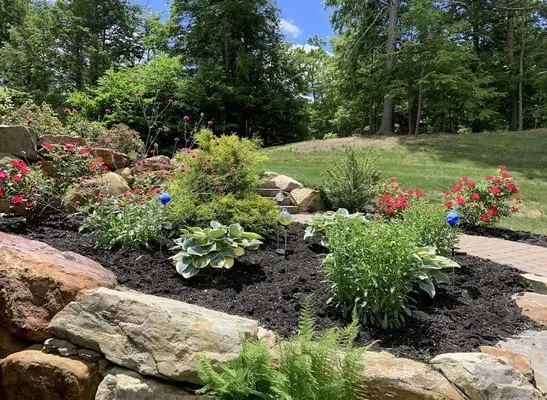
Since 1984, Bio-Spray has been a trusted, family-owned business serving the Seacoast region, including Greenland, NH. We specialize in expert lawn care and environmentally conscious pest control, help...
Estimated Landscaping Service Costs in Dover, NH
Frequently Asked Questions
What permits and licenses are needed for grading my 0.22-acre lot?
Grading projects altering more than 100 cubic yards of soil require Dover Planning & Community Development permits for erosion control and drainage compliance. New Hampshire Landscape Association licensing ensures contractors carry proper liability insurance and follow state phosphorus application regulations. Certified professionals understand how to maintain natural grade within 10% of original elevation to prevent neighbor drainage issues. They document soil amendments to comply with fertilizer ordinances while preserving existing tree root zones during excavation.
How quickly can you respond to storm damage for HOA compliance?
Emergency cleanup crews dispatch from Henry Law Park via NH Route 16 (Spaulding Turnpike) to reach Downtown Dover within 20-30 minutes during peak conditions. This routing avoids residential congestion while maintaining compliance with noise ordinances restricting work hours to 8 PM-7 AM. Crews prioritize safety assessments, debris removal, and temporary stabilization to meet HOA landscape standards within 24 hours of notification.
How do I control invasive species without violating fertilizer rules?
Japanese knotweed and garlic mustard pose the highest invasion risks in Dover's disturbed soils. Manual removal during dry periods in late April prevents seed dispersal, while targeted glyphosate applications follow New Hampshire's phosphorus ban exemptions for documented invasions. Soil testing determines if new lawn establishment qualifies for phosphorus use under state regulations. Implementing 3-inch organic mulch layers suppresses weed germination while improving soil structure without chemical inputs.
Are granite pavers better than wood for durability and fire safety?
Granite pavers withstand freeze-thaw cycles for 30+ years versus wood's 10-15 year lifespan in New Hampshire's climate. Their non-combustible nature creates defensible space required for Moderate Fire Wise ratings, reducing radiant heat transfer by 60% compared to wooden decks. Crushed stone bases provide drainage that prevents frost heave damage. Proper installation with geotextile fabric and compacted sub-base meets load-bearing requirements for residential use while minimizing maintenance.
Why does my 50-year-old Dover soil feel compacted and drain poorly?
Downtown Dover lots developed around 1976 have acidic sandy loam soils that have matured for 50 years. This extended timeframe allows fine particles to settle and organic matter to decompose, reducing permeability. Core aeration every 2-3 years breaks up compaction layers, while adding composted organic matter at 0.25 inches annually adjusts pH toward neutral and improves water retention. Soil testing every 3 years tracks pH changes in this 5.5-6.2 range.
What solves seasonal flooding in sandy loam soils?
High water tables and frost heave susceptibility in acidic sandy loam require French drains with 4-inch perforated pipe at 18-inch depth. Granite pavers installed with 0.5-inch joints filled with polymeric sand create permeable surfaces that meet Dover Planning & Community Development runoff standards. Adding 2-3% slope to hardscape areas directs water toward rain gardens planted with moisture-tolerant natives, reducing standing water by 70% compared to traditional designs.
Should I replace high-maintenance grass with native plants?
Transitioning 30-50% of turf to Common Milkweed, New England Aster, and Sweet Fern reduces mowing frequency from weekly to seasonal maintenance. These deep-rooted natives require no irrigation after establishment and support 8-12 times more pollinator species than turf grasses. Electric maintenance equipment operates within 8 PM-7 AM noise ordinances while eliminating gas emissions. This approach creates fire-resistant zones that align with Moderate Wildland-Urban Interface ratings.
Can I maintain Kentucky Bluegrass during Stage 1 water restrictions?
Smart Wi-Fi soil moisture sensor controllers optimize irrigation by tracking evapotranspiration rates and soil conditions. These systems apply 1-1.5 inches weekly during peak growth, aligning with voluntary conservation measures. Programming deep, infrequent watering cycles between 4-7 AM reduces evaporation loss by 30% compared to daytime schedules. This approach preserves turf health while staying within municipal water allocation limits for Dover's 6a hardiness zone.
