Top Landscaping Services in Cornish, NH, 03745 | Compare & Call
There are 53 landscaping companies server in Cornish NH
Chippers is a licensed landscaping and tree service company serving Enfield, NH, and the surrounding region. Founded on a commitment to environmental stewardship, the team is led by certified arborist...
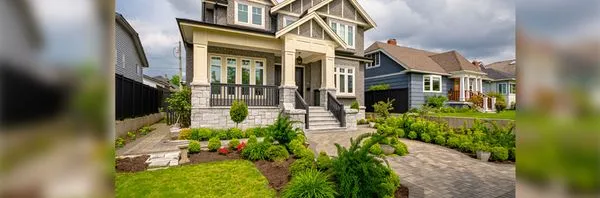
Frye Landscaping is a family-owned and operated company serving Lebanon, NH, and the Upper Valley with over two decades of professional experience. We specialize in comprehensive landscaping solutions...
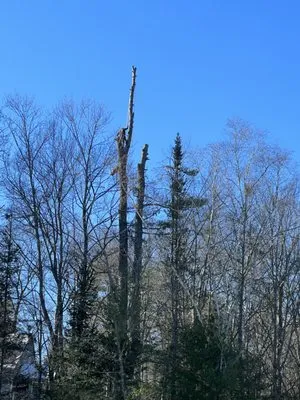
For over 35 years, Fox Tree and Landscape Services has been a trusted, family-run provider of tree care and landscaping in Enfield, NH, and the surrounding Upper Valley. Our focus is on delivering saf...

Pure Solutions is a locally owned and operated family business dedicated to serving the Upper Valley of Vermont and New Hampshire. Founded by Kyle, who grew up in the area, the company was established...

Lundy's Lawn Care is a trusted, full-service landscaping company serving Plainfield, NH, and the surrounding Upper Valley. We specialize in solving common local yard challenges, including poor drainag...
Gcs Paving is a trusted, Lebanon-based contractor specializing in masonry, concrete, and snow removal services. For local homeowners dealing with yard drainage problems or sprinkler leaks, we provide ...

Crescent Lawn Services LLC in Cornish, NH, is a locally owned and operated lawn care business that brings over a decade of property maintenance experience to every job. Founded in 2022 by an owner who...
C&T Property Maintenance is a trusted local business serving Claremont, NH, and the Upper Valley area. We specialize in comprehensive property care, including lawn services, fencing, and patio coverin...
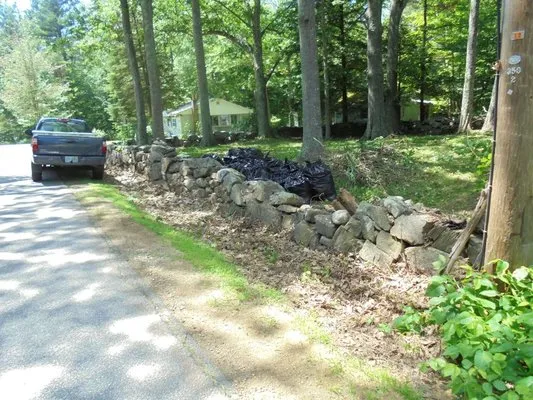
Bear River Property Services is Laconia's trusted landscaping partner, specializing in herbicide-free poison ivy removal and property restoration. We offer manual extraction methods that are highly ef...
CT Property Solutions is your trusted local expert for comprehensive outdoor property care in Claremont, NH. Specializing in excavation, lawn care, construction site prep, and tree services, we tackle...
Estimated Landscaping Service Costs in Cornish, NH
Common Questions
Can I reduce mowing while maintaining property value?
Transitioning high-maintenance turf to Sugar Maple and Eastern White Pine groves cuts mowing frequency from weekly to seasonal. Native plantings like Joe Pye Weed and New England Aster require no gas-powered equipment, staying ahead of noise ordinance restrictions on combustion engines. Wild Bergamot and aster meadows support 2026 biodiversity standards while reducing water needs by 70%. This approach creates layered habitats that require only annual maintenance instead of weekly care.
Why does my Cornish Flat lawn have drainage issues and poor grass growth?
Cornish properties built around 1971 have 55-year-old soil profiles. Acidic fine sandy loam in this neighborhood tends to compact over decades, reducing permeability to 0.5 inches per hour. Core aeration with organic compost amendments addresses this by increasing soil organic matter above 3% and improving water infiltration. Mature soils here require pH monitoring since natural acidity can drop below 5.5, limiting nutrient availability for Kentucky Bluegrass.
Will my lawn survive summer without violating water restrictions?
Soil moisture sensor-based drip systems maintain turf health within Stage 0 water guidelines. These systems apply 0.5 inches weekly directly to root zones, reducing evaporation loss by 40% compared to sprinklers. Kentucky Bluegrass and Fine Fescue blends require 1-1.5 inches weekly during peak ET periods, achievable through targeted irrigation cycles. Municipal water limits are respected by programming systems to operate during low-demand hours with flow monitoring.
Is granite or wood better for patio materials here?
Native New Hampshire granite outperforms wood with 50+ year longevity versus 15 years for pressure-treated timber. Granite's non-combustible properties support Moderate Fire Wise ratings by creating defensible space around structures. The material's thermal mass moderates temperature swings while resisting frost heave damage common in this zone. Properly installed granite requires no chemical treatments, aligning with low-phosphorus focus in nutrient management guidelines.
What permits and licenses are needed for grading my 2.5-acre lot?
Grading work on 2.5-acre Cornish properties requires Cornish Planning & Zoning Board permits for earth moving exceeding 50 cubic yards. New Hampshire Landscape Association licensing ensures contractors understand USDA Zone 5a frost depth requirements of 42 inches. Professional licensing covers erosion control measures needed for acidic fine sandy loam's high runoff potential. These requirements prevent sedimentation into nearby watercourses and ensure proper compaction testing for structural stability.
What prevents frost heave damage to my driveway and foundation?
High seasonal water tables in acidic fine sandy loam require French drains with 12-inch gravel beds. Permeable New Hampshire granite pavers installed with 1/4-inch joints meet Cornish Planning & Zoning Board runoff standards by allowing 8 inches per hour infiltration. These systems redirect subsurface water away from foundations, reducing frost heave pressure that can displace structures by 2-3 inches annually. Proper grading at 2% slope ensures water moves toward drainage points rather than pooling.
How quickly can you respond to storm damage for HOA compliance?
Emergency cleanup crews dispatch from Saint-Gaudens National Historical Park via NH Route 12A. This routing maintains 45-60 minute peak response times to Cornish Flat properties. Electric maintenance fleets operate within municipal quiet hours starting at 7:00 AM, allowing immediate debris removal without noise violations. Priority is given to safety hazards like downed limbs blocking driveways or threatening structures.
How do I control invasive plants without chemical runoff?
Japanese knotweed and garlic mustard invasions in Cornish require manual removal before seed set in early summer. Treatment follows NHDES nutrient management guidelines using low-phosphorus, slow-release fertilizers applied outside blackout dates. Mycorrhizae inoculants boost native plant competitiveness without violating fertilizer ordinances. Regular monitoring prevents invasive establishment while maintaining soil pH between 5.5-6.2 for optimal native growth.
