Top Landscaping Services in Concord, NH, 03301 | Compare & Call

There are 133 landscaping companies server in Concord NH
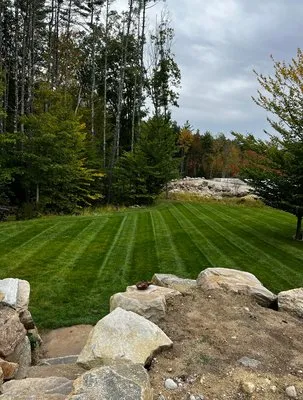
Gray's Landscape Solutions is a trusted Manchester, NH landscaping company dedicated to enhancing local outdoor spaces. We specialize in comprehensive lawn care and maintenance services tailored to ad...
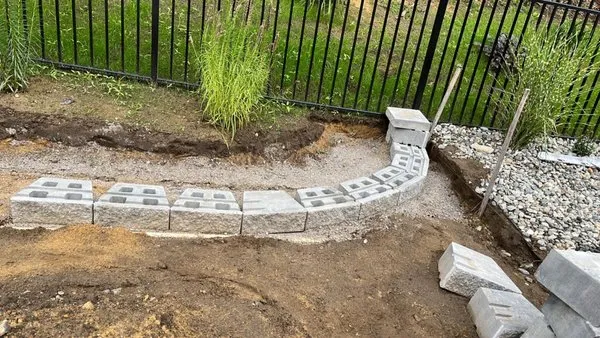
Founded in 2015 by Edgar Lemus after 13 years of hands-on experience in the trade, Edgar's Landscape Services has grown from basic mowing into a trusted Manchester landscaping company. Edgar started t...
Stanton Landscaping is a trusted Manchester, NH-based landscaping company dedicated to solving common local property challenges. Many Manchester homes face issues like irrigation timer failures and dy...
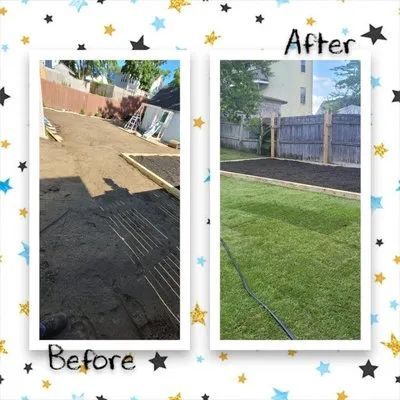
Esteban's Landscaping LLC is a locally owned and operated landscaping service that has been proudly serving the Manchester, NH community since 2015. Founded by Esteban, the business provides comprehen...
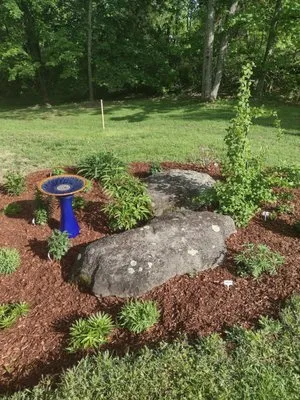
Woody's Landscaping is a full-service, locally-owned landscaping company dedicated to enhancing and maintaining the beauty of Sunapee, NH properties. We offer comprehensive care, from initial landscap...
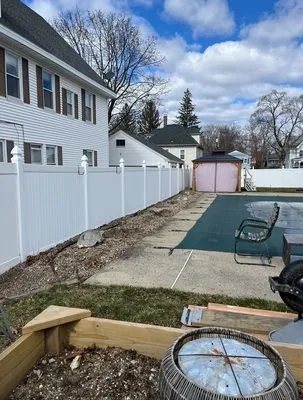
Definitive Landscaping LLC is a licensed landscaping service based in Manchester, NH, with nearly a decade of experience serving southern New Hampshire. We specialize in creating functional and aesthe...
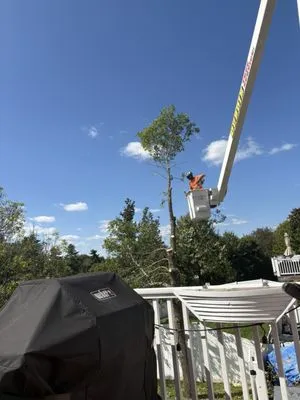
Dubois Tree Service, operating in Manchester, NH since 1984, is a locally-owned company specializing in comprehensive tree management and outdoor services. Led by an NH-certified arborist and associat...
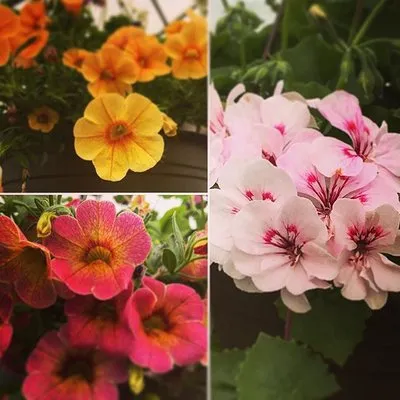
Faulkner's Nursery
Faulkner's Nursery, a Hooksett mainstay since 1992, is built on a foundation of integrity and genuine passion. Founder Steve's two decades of hands-on experience in New Hampshire landscaping inform ev...
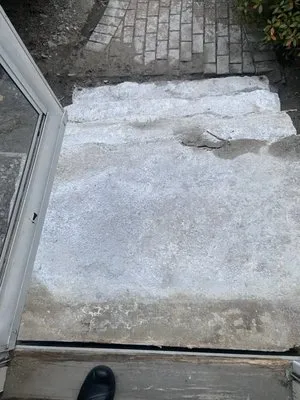
M&M Landscaping is a trusted, full-service contractor serving Windham, NH, and the surrounding communities. We specialize in transforming outdoor living spaces through professional landscaping, custom...
The Lawn Rangers Lawn Care Services is a Manchester, NH-based company dedicated to helping local homeowners achieve and maintain a healthy, vibrant lawn. We specialize in identifying and solving commo...
Estimated Landscaping Service Costs in Concord, NH
FAQs
What prevents frost heave damage to my landscape during spring thaw?
Acidic sandy loam soils in Concord experience significant frost heave and spring saturation due to poor drainage characteristics. Installing permeable granite paver systems with crushed stone bases creates subsurface drainage channels that redirect water away from foundations. These installations meet Concord Planning and Development Division runoff standards by increasing infiltration rates while minimizing surface water accumulation during thaw cycles.
Why does my South End yard have such poor drainage and compacted soil?
Concord's South End neighborhood has acidic sandy loam soil with low organic matter, typical for lots developed around 1972. With 54 years of soil maturation since construction, compaction from foot traffic and equipment has reduced permeability. Core aeration with organic amendments like composted leaf mold improves soil structure and water infiltration while maintaining the pH 5.5-6.5 range suitable for native plants.
How quickly can you respond to an emergency storm cleanup for HOA compliance?
Emergency storm response from White Park via I-93 to South End neighborhoods requires 20-30 minutes during peak conditions. Our electric maintenance fleet operates within Concord's 7:00 AM to 9:00 PM noise ordinance window, allowing rapid debris removal without violating restrictions. This timing ensures compliance with most HOA 48-hour cleanup requirements following significant weather events.
What permits and licenses are needed for grading my quarter-acre lot?
Grading work on 0.25-acre lots requires Concord Planning and Development Division permits for soil disturbance exceeding 100 square feet. Contractors must hold New Hampshire Landscape Association certification or equivalent licensing through the NH Secretary of State, ensuring proper erosion control and drainage implementation. These requirements prevent sedimentation issues and maintain lot stability, particularly important in South End's sloping terrain with existing drainage challenges.
Should I replace high-maintenance turf with native plants?
Transitioning from Kentucky Bluegrass to Eastern Red Columbine, New England Aster, and Sweet Fern reduces mowing frequency and irrigation demands by 60-70%. Native plantings require minimal maintenance while supporting local pollinators, aligning with emerging electric equipment trends that anticipate stricter gas-blower regulations. This approach creates resilient landscapes that thrive in USDA Zone 5b conditions with reduced resource inputs.
Can I maintain Kentucky Bluegrass during Stage 1 water restrictions?
Smart Wi-Fi soil moisture sensor controllers optimize irrigation by tracking evapotranspiration rates and soil conditions. These systems apply water only when turfgrass root zones reach specific moisture thresholds, typically reducing usage 30-40% while preserving turf health. This approach maintains Kentucky Bluegrass and fine fescue blends within voluntary conservation limits by preventing overwatering during Concord's dry periods.
How do I control invasive species without violating fertilizer rules?
Japanese knotweed and garlic mustard present significant invasion risks in Concord's disturbed soils. Mechanical removal followed by targeted organic amendments addresses infestations without phosphorus applications to established turf. Soil testing determines specific nutrient deficiencies before any fertilizer use, ensuring compliance with local ordinances while restoring ecological balance through mycorrhizae inoculation and proper planting techniques.
Are granite pavers better than wood for long-term durability?
Granite pavers and crushed stone installations provide superior longevity compared to wood, with 40+ year lifespans versus wood's 10-15 year replacement cycle. These materials maintain structural integrity through freeze-thaw cycles while creating defensible space per Concord's Low Fire Wise rating requirements. Their non-combustible nature reduces wildfire risk at the urban-suburban interface while requiring minimal maintenance compared to wood's seasonal treatments.
