Top Landscaping Services in Chichester, NH, 03234 | Compare & Call

There are 132 landscaping companies server in Chichester NH
Stanton Landscaping is a trusted Manchester, NH-based landscaping company dedicated to solving common local property challenges. Many Manchester homes face issues like irrigation timer failures and dy...
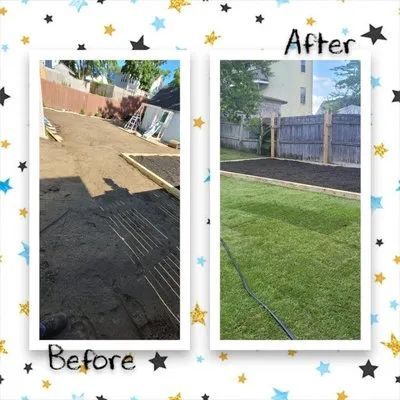
Esteban's Landscaping LLC is a locally owned and operated landscaping service that has been proudly serving the Manchester, NH community since 2015. Founded by Esteban, the business provides comprehen...
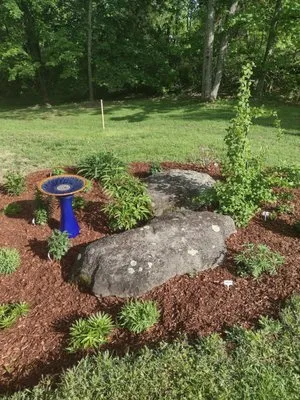
Woody's Landscaping is a full-service, locally-owned landscaping company dedicated to enhancing and maintaining the beauty of Sunapee, NH properties. We offer comprehensive care, from initial landscap...
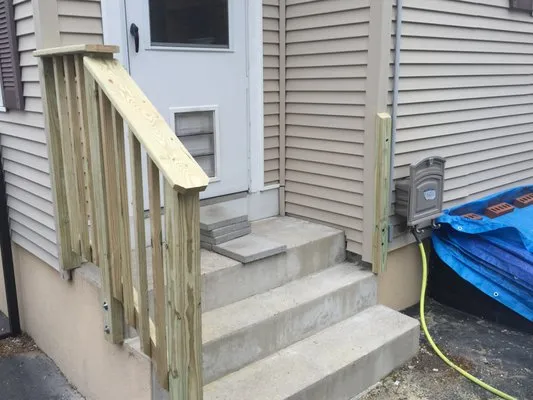
Angerami Property Services is a Manchester-based landscaping company dedicated to enhancing and maintaining outdoor spaces for local homeowners. We specialize in comprehensive solutions that address c...
Rain Or Shine Landscape LLC is a Manchester-based landscaping and masonry company dedicated to enhancing outdoor spaces for local residents and businesses. We specialize in comprehensive landscaping c...
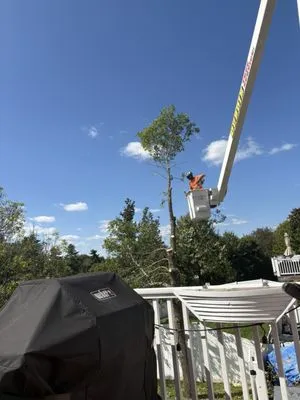
Dubois Tree Service, operating in Manchester, NH since 1984, is a locally-owned company specializing in comprehensive tree management and outdoor services. Led by an NH-certified arborist and associat...
The Lawn Rangers Lawn Care Services is a Manchester, NH-based company dedicated to helping local homeowners achieve and maintain a healthy, vibrant lawn. We specialize in identifying and solving commo...
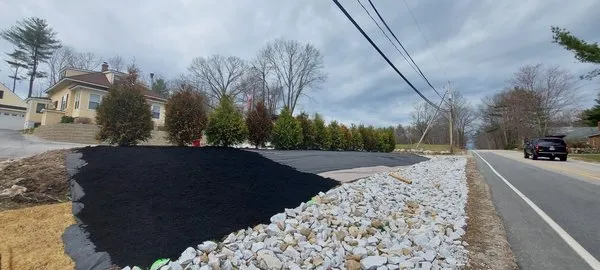
Green Vision is a licensed and insured landscaping and tree service provider serving Manchester, NH, and surrounding areas like Hooksett and Concord. With extensive horticultural experience, we offer ...
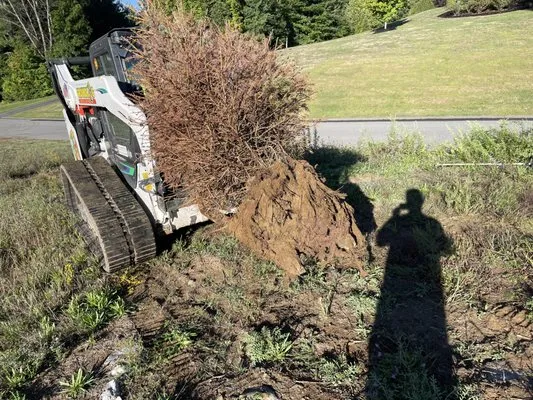
Shampney & Son's Four Seasons Landscaping
Shampney & Son's Four Seasons Landscaping is a family-owned business serving Bow, NH, and surrounding areas since 2010. With over 20 years of combined experience, owner David Shampney and his team pro...
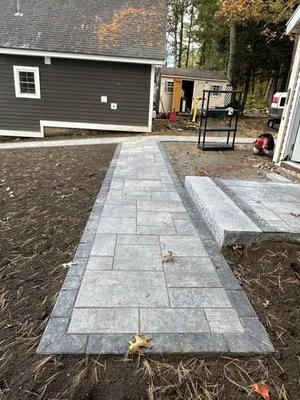
For over three decades, DMP has been a trusted name in Merrimack, NH, providing full-service landscaping solutions rooted in landscape architecture and design. We specialize in transforming outdoor sp...
Estimated Landscaping Service Costs in Chichester, NH
Q&A
We're replacing a wooden deck. Is granite a better choice than composite or pressure-treated lumber for our climate?
For longevity and low maintenance, granite cobblestone and crushed stone are superior in our environment. They do not rot, warp, or require chemical treatments, and they have a permeability that reduces runoff. In Chichester's Moderate Wildland-Urban Interface rating, non-combustible hardscapes also contribute to defensible space. While the initial cost is higher, the lifecycle cost is often lower due to minimal upkeep and a lifespan measured in decades, not years.
Our yard stays soggy into spring, and we worry about frost heave damaging paths. What's the solution?
This is a classic issue for acidic sandy loam over a high seasonal water table. The fine particles can create a temporary impermeable layer. To manage runoff and meet Planning & Zoning standards, we install subsurface French drains tied to dry wells. For surfacing, permeable materials like crushed stone or spaced granite cobblestone allow water to infiltrate, reducing surface ice and mitigating the hydraulic pressure that causes frost heave.
We've spotted what looks like Japanese Knotweed. How do we handle invasive species safely here?
Early identification is critical for invasives like Knotweed or Garlic Mustard. In Chichester, treatment must comply with state BMPs, which mandate phosphorus-free herbicides and may have seasonal application blackout dates to protect waterways. For many species, a fall application is most effective. We use targeted, manual removal or approved organic herbicides first, reserving stronger treatments only for persistent cases and always following the product label and local regulations to the letter to ensure safety and compliance.
Our lawn seems thin and struggles even with regular care. What's the underlying issue in our neighborhood?
Properties in Chichester Center, built around 1984, have soil that is approximately 42 years old. Over decades, construction compaction and natural settling have degraded the original soil structure. Your acidic sandy loam, while offering good drainage, becomes dense and nutrient-poor without intervention. Core aeration followed by top-dressing with composted organic matter is essential to rebuild soil tilth and support healthy root systems for your turf and garden plants.
We're tired of weekly mowing and gas equipment noise. Are there lower-maintenance, quieter options?
Absolutely. Transitioning sections of high-maintenance turf to a xeriscape of native plants is a forward-thinking solution. Species like Little Bluestem, New England Aster, and Joe-Pye Weed are adapted to our Zone 5b climate and acidic soil, requiring minimal water and no regular mowing. This reduces fuel consumption and aligns with evolving noise ordinances that increasingly restrict gas-powered blowers. The resulting habitat also significantly boosts local biodiversity.
How can we maintain our Kentucky Bluegrass lawn during summer without violating water conservation guidelines?
Chichester's Stage 1 voluntary conservation aligns with modern ET-based irrigation systems. These Wi-Fi controllers use local weather station data to apply water only when evapotranspiration rates demand it, preventing overwatering. For your grass blend, we program deep, infrequent cycles that encourage drought-tolerant root growth. This method often uses less water than a manual schedule while keeping the turf healthier and more resilient through peak summer heat.
We're planning significant regrading on our 2-acre lot. What permits and contractor qualifications are needed?
Any grading that alters water flow or involves more than 100 cubic yards of earth movement requires a permit from the Chichester Planning & Zoning Department. For a property of this size, it is strongly advised to hire a contractor licensed by the New Hampshire Landscape Association. NHLI licensure ensures familiarity with state BMPs for erosion control and sedimentation, which are strictly enforced to protect our local watersheds and comply with federal clean water act guidelines.
We have a storm-damaged tree with a deadline for HOA compliance. What's your emergency response protocol?
For urgent situations, our dispatch prioritizes Chichester Center from our base near Carpenter Park. We take US Route 4, which provides a reliable corridor; during peak traffic, our estimated arrival is 25-35 minutes. The crew arrives with a fully electric fleet for immediate, quiet operation within standard daylight noise ordinances. We assess the hazard, secure the area, and begin safe removal to meet your compliance timeline.
