Top Landscaping Services in Belmont, NH, 03220 | Compare & Call

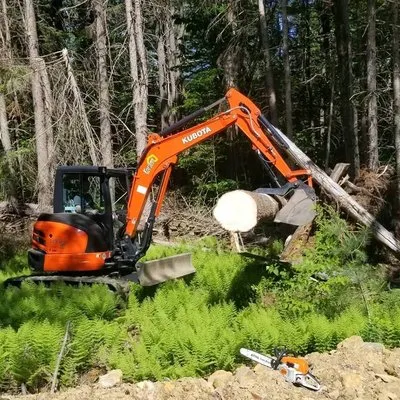
T Fletcher Excavation & Snow Plowing
T Fletcher Excavation & Snow Plowing in Belmont, NH, is a locally owned and operated service provider specializing in excavation, snow removal, and comprehensive landscaping solutions. With deep roots...
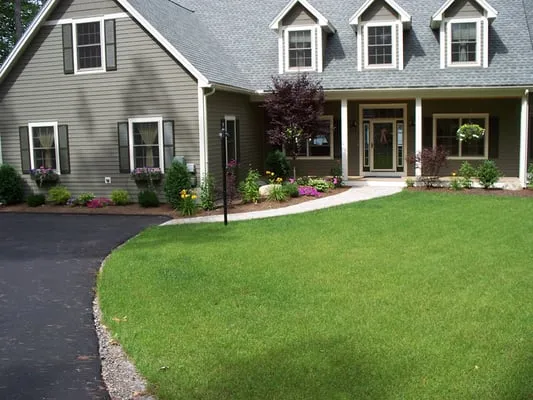
Properties By Pete LLC is a locally owned and operated landscaping contractor that has been serving the Belmont, NH community and surrounding towns for over 25 years. As a full-service company, we spe...
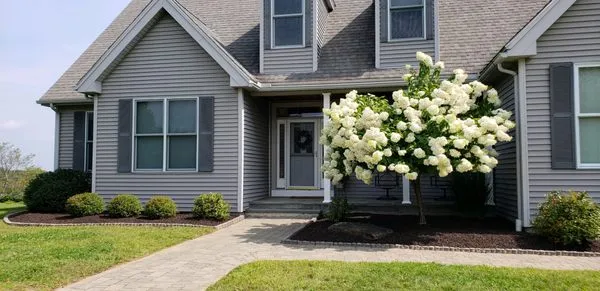
Magic Overnight Landscaping has been a trusted part of the Belmont, NH community since 2016, providing reliable, year-round care for both residential and commercial properties. The company's commitmen...
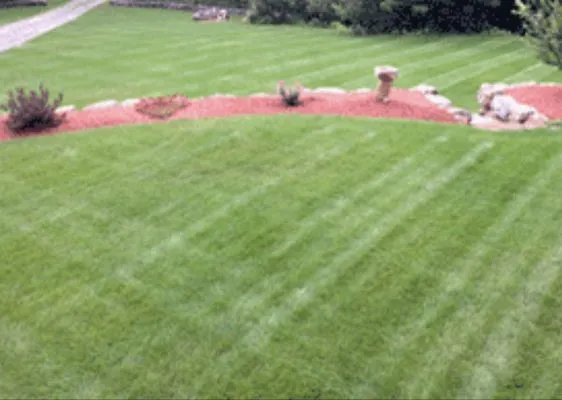
A Plus Fertilizing is your trusted local partner for landscaping, pest control, and tree care in Belmont, NH. We specialize in creating and maintaining healthy, beautiful outdoor spaces, from greensca...

Muller's Lawn & Landscape is a licensed landscaping service based in Belmont, NH, with over 20 years of experience serving the Lakes Region. As a member of the New Hampshire Landscaping Association, t...
Lakeside Landscaping is a trusted, local landscaping company serving the Belmont, NH community. We specialize in diagnosing and solving the specific lawn challenges homeowners face in our region, part...
The M-A-D Farmers is a trusted landscaping and snow removal company serving Belmont, NH homeowners. We specialize in comprehensive landscape maintenance, lawn care, tree services, and reliable snow re...
Lakeside Landscaping is a local, Belmont-based company dedicated to solving common New Hampshire yard problems, starting with poor drainage. We understand that improper lawn grading and standing water...
Robwerx is a trusted landscaping service based right here in Belmont, NH. We understand the common challenges local homeowners face, from frustrating irrigation timer failures that waste water and mon...
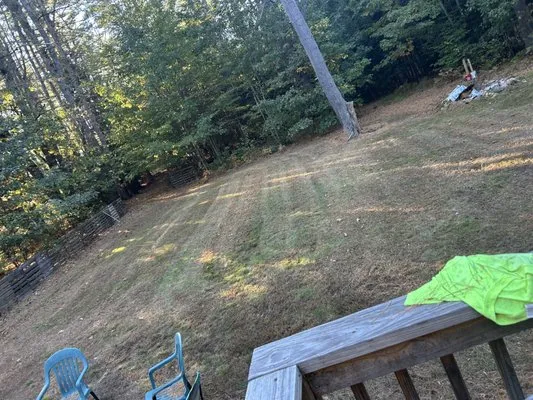
Andrew Mowing is your trusted, locally-owned lawn care specialist serving Belmont, NH, and the surrounding Lakes Region. We understand the unique challenges homeowners here face, from unsightly dead p...
Questions and Answers
We've spotted invasive Japanese knotweed. How do we treat it without violating fertilizer rules?
Japanese knotweed requires targeted glyphosate application in late summer when plants translocate herbicides to roots. This timing avoids the statewide phosphorus application blackout periods while ensuring effective control. Manual removal must include all rhizome fragments, as regrowth occurs from 0.7-ounce remnants. Follow-up monitoring for three growing seasons prevents reestablishment while maintaining compliance with Best Management Practices regulations.
What permits and licenses are needed for regrading our 0.55-acre lot?
Grading on 0.55-acre lots requires Belmont Planning and Zoning Department approval for erosion control and drainage plans. New Hampshire Landscape Association licensing ensures contractors understand frost heave mitigation in sandy loam soils. Professional grading certification is mandatory for projects moving over 50 cubic yards of material. These requirements prevent downstream sedimentation and ensure proper slope stabilization for Belmont's seasonal water table conditions.
Our yard floods during spring thaw and has frost heave damage. What solutions work with Belmont's soil?
Seasonal high water tables in acidic sandy loam require French drains with clean gravel and perforated pipe at 18-24 inch depths. New England granite pavers installed with permeable joints and 4-inch gravel bases meet Belmont Planning and Zoning Department runoff standards while addressing frost heave. Grading should create a 2% slope away from structures, with dry wells in low-lying areas to manage spring meltwater effectively.
We need emergency storm cleanup to meet HOA compliance deadlines. What's your fastest response time?
Emergency dispatch from Belmont Village Green via NH-106 reaches most Belmont Village properties within 25-35 minutes during peak conditions. Our electric maintenance fleet operates within the 8pm-7am noise ordinance while providing immediate debris removal. We prioritize safety assessments and temporary stabilization before full restoration, ensuring compliance while addressing urgent landscape hazards.
We want to reduce mowing and gas equipment noise. What native alternatives work here?
Replacing high-maintenance turf with Highbush Blueberry, Wild Bergamot, New England Aster, and Joe-Pye Weed creates a self-sustaining ecosystem. These USDA Zone 5b natives require no irrigation once established and support local pollinators while eliminating weekly mowing. This transition aligns with evolving noise ordinances restricting gas-powered equipment and reduces maintenance to seasonal pruning rather than frequent fuel-dependent operations.
Our Belmont Village yard has patchy grass and compacted soil. Is this typical for older neighborhoods here?
Belmont Village properties built around 1974 have 52-year-old soil systems. Acidic sandy loam naturally compacts over decades, reducing permeability and root penetration. Core aeration every 2-3 years introduces oxygen channels while adding composted organic matter adjusts pH toward 6.0-6.5 for optimal turf health. This addresses the historical soil degradation common in neighborhoods with similar construction timelines.
Should we use granite or wood for our new patio considering fire safety concerns?
New England granite pavers provide superior longevity with minimal maintenance compared to wood's 8-12 year lifespan. For Moderate WUI Zone 2 compliance, granite creates defensible space without combustible materials within 30 feet of structures. Its thermal mass moderates temperature extremes while permeable installation methods reduce runoff. This non-combustible material meets fire-wise requirements while withstanding Belmont's freeze-thaw cycles better than wood alternatives.
How can we maintain Kentucky Bluegrass during voluntary water conservation periods?
Smart Wi-Fi soil moisture sensors prevent overwatering by tracking real-time evapotranspiration rates. These controllers adjust irrigation schedules based on actual soil conditions rather than fixed timers, reducing water use by 30-40% while preserving turf health. During Stage 0 restrictions, deep infrequent watering at dawn encourages deeper root growth in sandy loam. This approach maintains turf quality while respecting municipal water conservation goals.
