Top Landscaping Services in Auburn, NH, 03032 | Compare & Call
There are 190 landscaping companies server in Auburn NH
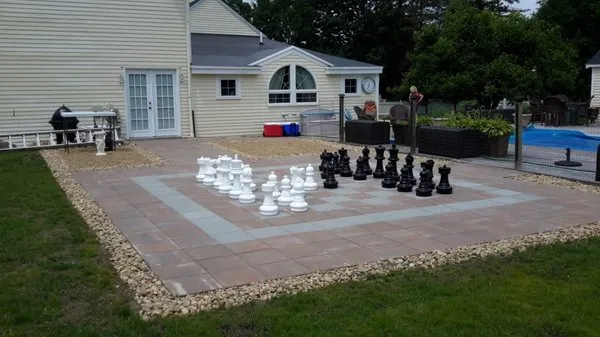
Osgood Hill Farm
Osgood Hill Farm has been a trusted part of the Hampstead community since 2002, providing reliable and professional landscaping services for both homes and businesses. As a fully licensed and insured ...
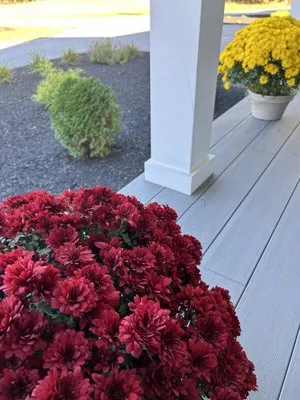
Scenic Nursery & Landscaping in Raymond, NH, is a locally owned garden center and nursery situated along the scenic Lamprey River. We are a full-service destination for homeowners and gardening enthus...
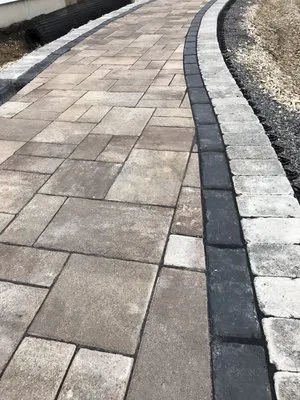
Rouleau's Landscaping is a family-owned and operated business in Hampstead, NH, dedicated to transforming outdoor spaces with integrity and skill. Our team combines years of hands-on experience in lan...
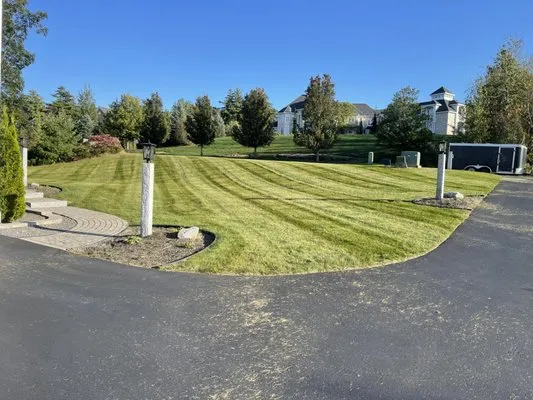
Rockingham Lawn Care is a locally owned and operated landscaping service based in Atkinson, NH. Founded by a professional with years of hands-on property maintenance experience, we provide reliable, c...
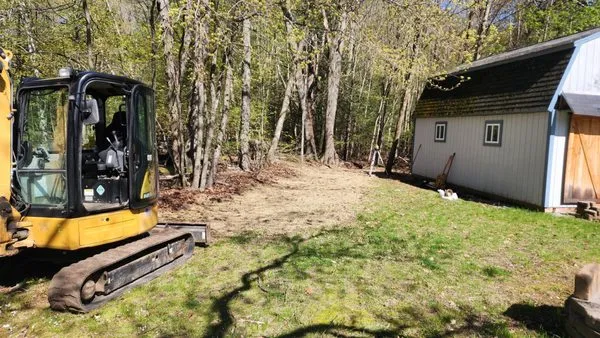
V & S Landscaping LLC is a family-owned and operated business serving Sandown and the surrounding southern New Hampshire communities. We provide practical, reliable solutions for landscaping and excav...
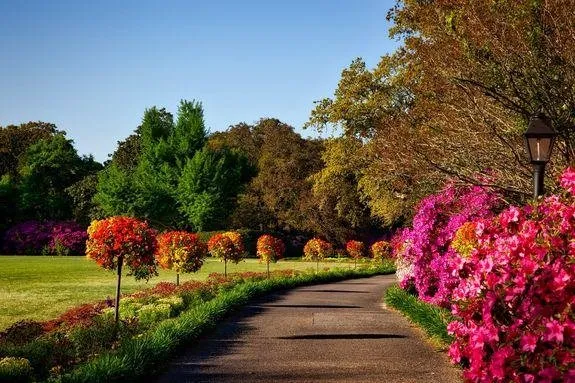
R & L Professional Services is a locally owned and operated lawn care and pest control company serving Concord, New Hampshire. Our team brings years of hands-on experience to every project, focusing o...
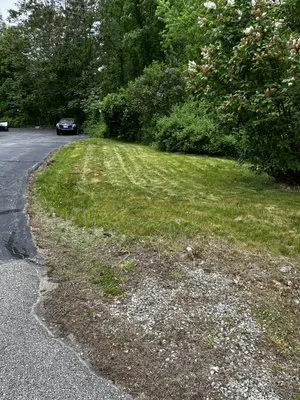
Above The Cut Property Service is a trusted lawn care provider serving Manchester, NH, specializing in comprehensive solutions for local landscaping challenges. Many Manchester homeowners face issues ...
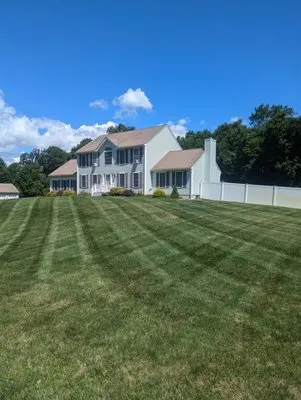
Darisse Landscape Maintenance is your local, year-round partner for landscaping and property care in Raymond, NH. We are a fully insured family business dedicated to enhancing and maintaining the natu...

Blue Line Landscaping is a family-owned and operated landscaping business based in Sandown, NH, dedicated to serving homeowners throughout southern New Hampshire and Rockingham County. As a father-and...
LaBrie Property Maintenance and Landscaping
For over three decades, LaBrie Property Maintenance and Landscaping has been a trusted, family-run business serving Raymond and the surrounding Southern New Hampshire communities. Founded in 1988 by b...
Estimated Landscaping Service Costs in Auburn, NH
Q&A
With Stage 1 water conservation in effect, how can we keep our Kentucky Bluegrass lawn healthy without wasting water?
Wi-Fi ET-based irrigation systems are the precise tool for Auburn's voluntary conservation stage. They adjust runtime daily using local evapotranspiration data, applying water only as needed by the turfgrass blend. This technology can reduce water use by 20-30% compared to traditional timers, keeping lawns healthy within municipal guidelines. Properly calibrated, it prevents the overwatering that exacerbates our area's high water table.
A storm brought down a large limb. How quickly can a crew arrive for emergency cleanup in Auburn?
For emergency storm response, a crew dispatched from the Massabesic Lake area can typically reach Auburn Village via NH-101 within 20 to 30 minutes during peak traffic. We prioritize securing the site and clearing hazards to restore safety and access. This rapid response window helps prevent further property damage and ensures compliance with local safety ordinances.
We want to regrade part of our 1.5-acre lot. What permits and contractor qualifications should we verify?
Regrading a 1.5-acre lot often triggers a permit review with the Auburn Planning & Zoning Department for erosion control and drainage impact. It is imperative to hire a contractor licensed by the New Hampshire Landscape Association. This ensures they are bonded, insured, and trained in state-mandated Best Management Practices for soil stabilization and sediment control, protecting both your property and downstream waterways like Massabesic Lake.
Our yard gets soggy in spring and we have issues with frost heave on our walkway. What's the best drainage solution?
Seasonal high water tables and frost heave are common challenges in acidic sandy loam. The solution involves creating positive drainage away from foundations using graded swales and dry wells. For hardscapes, specifying permeable installations with crushed stone bases and granite pavers can significantly reduce surface runoff. These methods meet Auburn Planning & Zoning standards for stormwater management by promoting groundwater recharge.
Is a wooden deck or a stone patio better for longevity and safety in Auburn's climate and fire risk?
For longevity and fire resilience, granite paver patios are superior to wood. Granite withstands freeze-thaw cycles and requires minimal maintenance. Regarding the Moderate Fire Wise rating, non-combustible hardscapes like stone create critical defensible space, a key recommendation for wildland-urban interface zones. This inert material also avoids the decay and insect issues associated with wood in our humid continental climate.
Our lawn never seems to hold water or nutrients well. Is there a reason older Auburn Village properties struggle with this?
Properties built around 1989, like many in Auburn Village, have soils approaching 40 years of maturity. The native acidic sandy loam is prone to compaction from decades of use, severely reducing its permeability and organic matter content. This results in poor water infiltration and nutrient leaching. A core aeration and amendment program with compost is critical to rebuild soil structure and support healthy turf.
We want to reduce mowing, gas usage, and noise. What are the most effective long-term landscape changes?
Transitioning high-maintenance turf areas to a climate-adaptive xeriscape with native plants is a forward-thinking strategy. Incorporating species like Little Bluestem, Highbush Blueberry, and Joe-Pye Weed drastically reduces the need for weekly mowing, fueling, and noisy gas-powered blowers. This aligns with evolving noise ordinances and creates a resilient, low-input landscape that supports local biodiversity with deep root systems.
We've spotted what looks like Japanese Knotweed. How should we handle invasive species here without harming the environment?
Japanese Knotweed is a high-priority invasive in our region. Effective treatment requires a targeted, systemic herbicide application during the plant's active growth phase, typically late summer. This must be performed by a licensed professional adhering to state BMPs for phosphorus, ensuring no application near water or on frozen ground. A multi-year management plan is essential for complete eradication and restoration with native species.
