Top Landscaping Services in Yutan, NE, 68073 | Compare & Call
There are 78 landscaping companies server in Yutan NE

Lane Miller Lawncare helps homeowners in Gretna achieve and maintain healthy, resilient landscapes. We address common local challenges like yard erosion and persistent weeds with proven, tailored solu...

Breaking Ground in Valley, NE is a design/build landscape contractor that has been serving the community since 1998. With a focus on both residential and specialty commercial projects, they offer a fu...
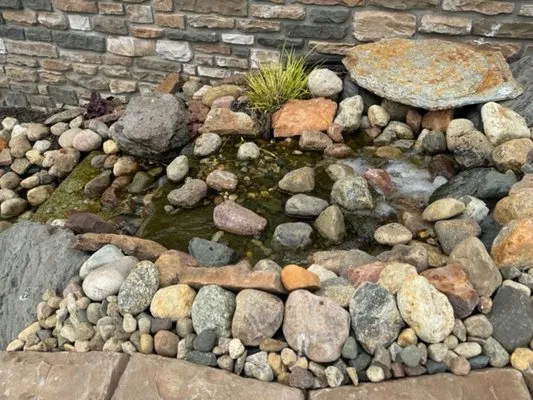
Divine Landscape and Design
Divine Landscape and Design is a veteran-owned landscaping company in Omaha, Nebraska, operating on faith-based principles. We specialize in comprehensive residential and commercial landscaping servic...

Getting Plowed is your trusted, year-round partner for Omaha's unpredictable weather and lawn care needs. We understand that local homeowners face challenges like persistent mulch bed weeds and storm ...
Perfect Line Property Solutions
Perfect Line Property Solutions, based right here in Lincoln, is a locally-owned and operated property maintenance company with deep roots in Nebraska. Owner Jordan, a Kearney native and Nebraska Wesl...
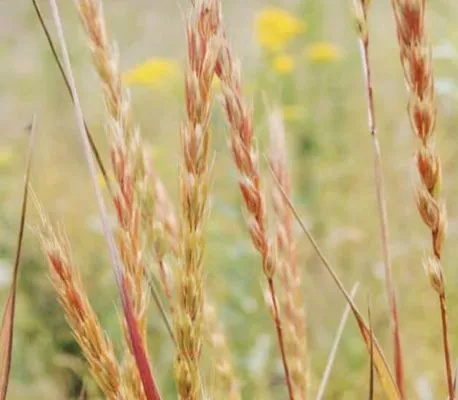
Country Inspired Landscapes brings over 20 years of licensed and bonded expertise to Yutan and Eastern Nebraska, specializing in creating natural, low-maintenance outdoor spaces that evoke the peacefu...
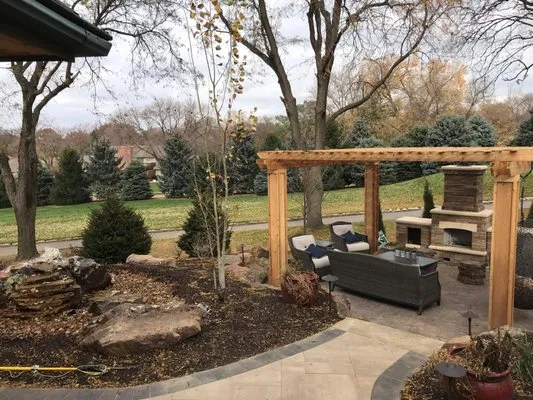
KM Landscaping
KM Landscaping has been a trusted fixture in the Yutan community since 1997, providing thoughtful and durable outdoor solutions. Our focus is on building lasting landscapes that enhance your property'...
Andy's Tree & Lawn Care is a trusted local provider in Yutan, NE, dedicated to solving the common landscaping challenges homeowners face. We specialize in both comprehensive lawn care and expert tree ...
Estimated Landscaping Service Costs in Yutan, NE
Questions and Answers
Our yard floods and erodes every time it rains hard. What's a permanent fix for this slope?
High runoff on sloped terrain is a direct result of the low permeability of Sharpsburg soil. The solution is a two-part system: first, install subsurface French drains to intercept groundwater, and second, replace impervious surfaces with permeable pavers or crushed limestone patios. This approach increases on-site infiltration, meets Saunders County Planning & Zoning runoff management standards, and prevents basement water intrusion and topsoil loss.
A storm knocked down a big limb. How fast can someone get here for an emergency cleanup?
For urgent storm response, our dispatch from Yutan City Park via NE-92 targets a 20-30 minute arrival during peak conditions, aligning with the 7:00 AM noise ordinance start. The protocol prioritizes clearing hazards from driveways and public sidewalks to restore safety and access. All debris is processed on-site with electric chippers where feasible to minimize disturbance outside permitted hours, with final haul-away scheduled post-emergency.
We want to regrade our backyard. What permits do we need, and who is legally allowed to do the work?
Altering drainage patterns on a 0.25-acre lot typically requires a grading permit from Saunders County Planning & Zoning to ensure changes do not adversely affect neighboring properties or public infrastructure. The contractor must hold appropriate licensing through the Nebraska Department of Agriculture for landscaping or excavation. This licensing ensures they carry the required insurance and understand state regulations regarding erosion control and soil disturbance, protecting you from liability and substandard work.
I'm tired of weekly mowing and gas costs. Is there a lower-maintenance, quiet option?
Yes, transitioning perimeter zones to a native plant community eliminates weekly mowing and aligns with evolving noise ordinances targeting gas equipment. A matrix of Little Bluestem, Switchgrass, and Purple Coneflower provides year-round structure, deep roots that break up clay, and critical habitat. This xeriscape requires no irrigation once established and is maintained with quiet, electric trimmers just 1-2 times a year, drastically reducing your carbon and noise footprint.
How do we keep the lawn green during summer without breaking water conservation rules?
Voluntary conservation stages in Yutan are best managed with technology, not increased runtime. A properly calibrated Wi-Fi ET-based weather sensing controller is essential. It automatically adjusts schedules by subtracting rainfall and using local evapotranspiration data, applying water only when the Kentucky Bluegrass and Tall Fescue mix genuinely needs it. This can reduce potable water use by 20-30% while maintaining turf health, keeping you well within municipal guidelines.
We want a new patio. Are concrete pavers better than wood for our climate?
In Zone 5b, concrete pavers and crushed limestone vastly outperform wood for longevity and minimal maintenance. They are unaffected by freeze-thaw cycles when installed with a proper base, and they do not rot, warp, or attract pests. From a Firewise perspective, these non-combustible materials are recommended for creating defensible space within 5-10 feet of the home, a relevant consideration even in Yutan's low-risk rating for standard compliance.
Our yard has never been great. Is it just old, or is there something wrong with the Yutan dirt?
The soil profile in Yutan City Center is the primary factor. Your property, like most built in the 1970s, sits on Sharpsburg Silty Clay Loam, which has had over 50 years to compact without significant remediation. This soil type has high density and low permeability, restricting root growth and water infiltration. Core aeration and incorporating 2-3 inches of composted organic matter are not optional; they are necessary interventions to rebuild soil structure and microbial activity for the next 50 years.
We have a fast-spreading weed taking over. How do we stop it without harming anything else?
Accurate identification is critical, as treatments for grassy invasives like Crabgrass differ from broadleaf types. For most common invaders, a targeted post-emergent herbicide applied in late spring, following Nebraska's non-phosphorus fertilizer protocol, is effective. Crucially, this must be done before summer heat and blackout dates to prevent runoff and turf damage. For persistent perennials like Bindweed, a multi-season strategy combining manual removal and spot-treatment is necessary.
