Top Landscaping Services in Woodland Park, NE, 68701 | Compare & Call
There are 177 landscaping companies server in Woodland Park NE
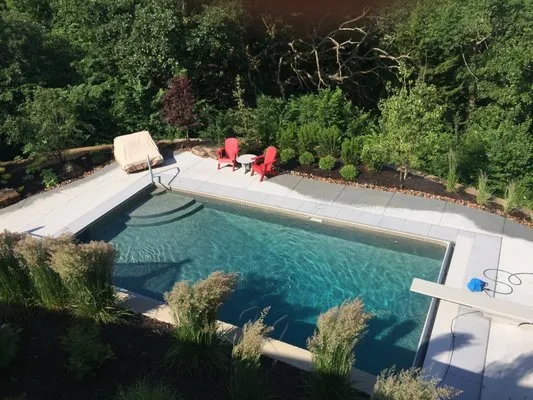
DMS Landscaping & Pools is a family-owned business serving Waterloo, NE, and surrounding areas since 1996. With a team of about 45 professionals, including landscape designers and a full-time licensed...
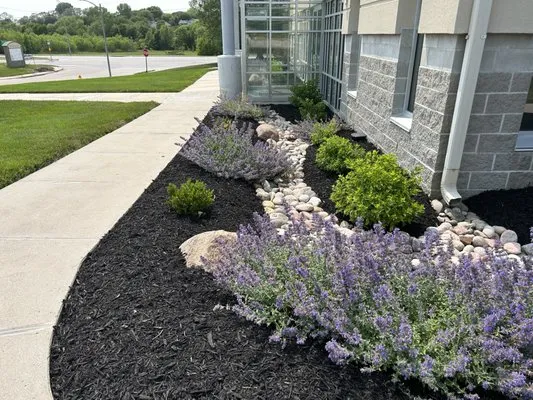
Skyline Landscaping, a trusted local presence in La Vista, NE since 2008, provides dependable landscaping and lawn care services to both residential and commercial clients throughout the Omaha metro a...
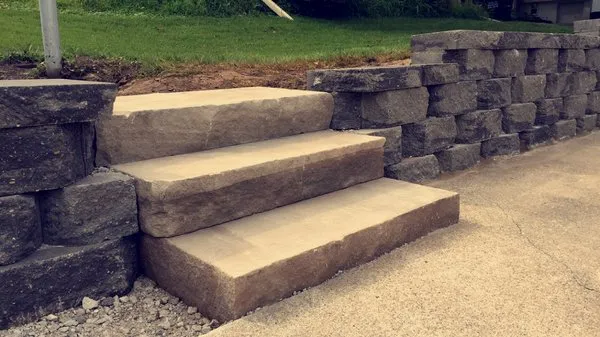
Founded in 2012 by Brice and Tommy, Westman Lawn Care is a locally owned and insured company built on over a decade of hands-on experience in the Papillion area. We combine a genuine passion for the o...
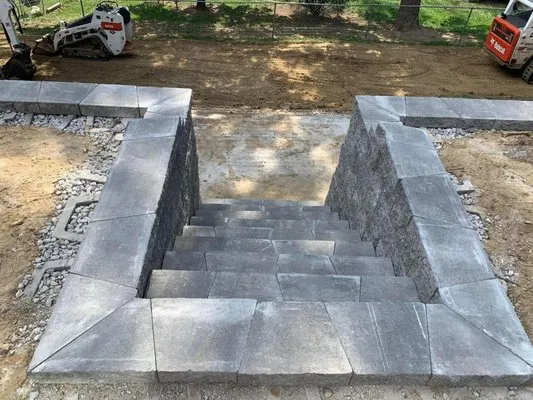
ATA Retaining Walls is a trusted Omaha landscaping contractor specializing in building durable, functional solutions for local homeowners. We understand the unique challenges of our region, including ...
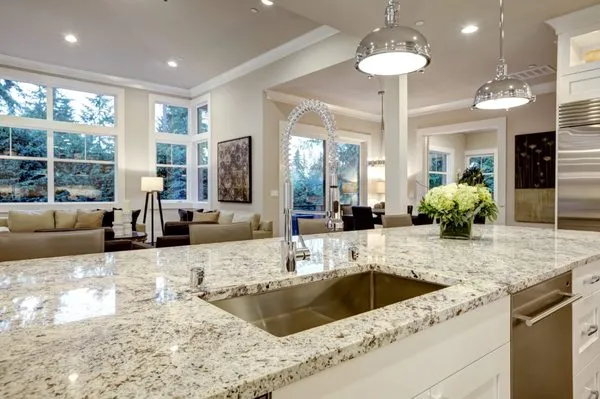
Santacruz General Services is your trusted, local partner for comprehensive property care in Omaha. We are a licensed and insured general contractor dedicated to building and maintaining beautiful, fu...
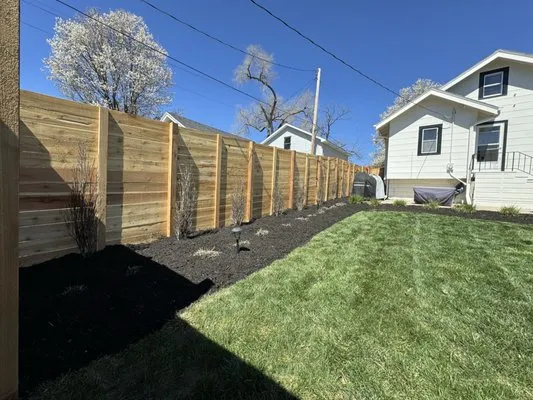
H & H Lawn and Landscape is a Gretna-based, family-owned company founded in 1997 by brothers Mark and Tim Hauptman. What began as a childhood venture mowing neighbors' lawns has grown into a full-serv...
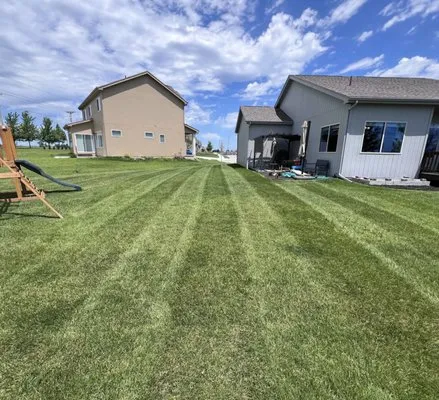
Verdant Knight Lawn Care is a locally owned and operated lawn service business in Papillion, NE, founded by John Rinn in 2024. With a deep-rooted passion for lawn care that began in childhood, John co...

Omaha Organics was founded by Rob Elder, who turned a teenage passion for the outdoors into a mission to provide safe, sustainable lawn care for Omaha families. After years of operating a traditional ...

Jensen Gardens is a family-owned, full-service landscaping company serving Springfield, NE and surrounding areas since 2001. With over 20 years of experience, they specialize in landscape design, inst...
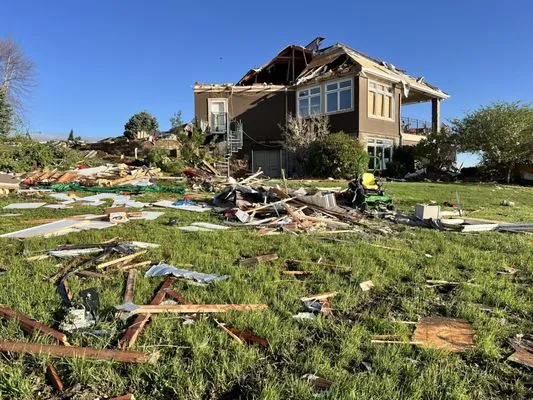
Founded in 2003 by the husband-and-wife team of Nick and Lori, Groundscapes has grown from the ground up to become a trusted La Vista landscaping partner. For over two decades, they've cultivated a ha...
Estimated Landscaping Service Costs in Woodland Park, NE
Q&A
How do I control invasive species without chemical runoff?
Early detection of species like Canada thistle or leafy spurge allows targeted manual removal before seed set. Spot treatments using glyphosate alternatives minimize impact on beneficial soil organisms. All applications follow Nebraska Department of Agriculture guidelines, avoiding phosphorus on established turf and respecting seasonal blackout dates. Organic pre-emergents like corn gluten meal prevent weed germination while adding nitrogen to the neutral pH soil.
Why does my lawn have compacted soil that resists water penetration?
Woodland Park Estates properties average 45 years of soil development since 1981 construction. Decades of foot traffic and equipment weight have compressed the neutral silt loam, reducing pore space and permeability. Core aeration every 2-3 years creates channels for oxygen, water, and organic matter to reach root zones. Adding composted organic amendments improves soil structure while maintaining the natural pH 6.8-7.2 balance.
Can I maintain Kentucky Bluegrass during Stage 1 water restrictions?
Wi-Fi ET-based weather sensing irrigation calculates evapotranspiration rates specific to Woodland Park's microclimate. This technology adjusts watering schedules daily, applying only the moisture Kentucky Bluegrass and Tall Fescue actually need. Systems typically reduce water use 25-40% while preserving turf health, staying well within voluntary conservation guidelines. Deep, infrequent watering encourages drought-resistant root development in Zone 4b conditions.
Should I replace high-maintenance turf with native plants?
Transitioning to Big Bluestem, Butterfly Milkweed, Leadplant, and Prairie Dropseed reduces mowing frequency from weekly to seasonal maintenance. These deep-rooted natives require minimal irrigation once established and support 2026 biodiversity standards for pollinators. Electric maintenance equipment operates quietly within noise ordinance hours while eliminating gas emissions. Native plantings also enhance the property's Moderate Wildland-Urban Interface rating through fire-resistant landscaping.
What permits and licenses are needed for grading my 0.35-acre lot?
Significant grading on a 0.35-acre property requires Stanton County Planning & Zoning Department approval for erosion control and drainage plans. Contractors must hold Nebraska Department of Agriculture licensing for soil disturbance exceeding certain thresholds. These regulations ensure proper water management and prevent sedimentation in neighboring properties. Unlicensed grading can result in fines and mandatory restoration at the property owner's expense.
What solutions prevent seasonal saturation in my yard?
Neutral silt loam's moderate runoff characteristics benefit from French drains or dry creek beds that redirect water away from foundations. Replacing impermeable surfaces with crushed limestone or permeable concrete pavers increases groundwater recharge. These approaches meet Stanton County Planning & Zoning Department standards for stormwater management while addressing the soil's seasonal saturation tendencies. Proper grading ensures water moves toward designated drainage points rather than pooling.
How quickly can you respond to storm damage for HOA compliance?
Emergency cleanup crews dispatch from Woodland Park City Hall via NE-35, reaching Woodland Park Estates within 20-30 minutes during peak response windows. This routing prioritizes access to properties with downed limbs or drainage blockages requiring immediate attention. Teams carry electric chainsaws and chippers that comply with standard 7:00 AM to 9:00 PM noise limits while addressing safety hazards.
Are crushed limestone patios better than wood decks for longevity?
Crushed limestone and concrete pavers withstand Woodland Park's freeze-thaw cycles better than wood, which requires regular sealing and replacement. These materials maintain integrity for decades with minimal maintenance while providing excellent permeability. In Moderate Wildland-Urban Interface zones, non-combustible hardscapes create defensible space by interrupting fuel continuity. Their light color reflects heat, reducing urban heat island effect compared to asphalt or dark wood surfaces.
