Top Landscaping Services in Weeping Water, NE, 68463 | Compare & Call
There are 48 landscaping companies server in Weeping Water NE
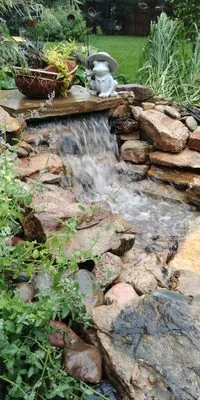
ImageScapes Lawn & Landscape
ImageScapes Lawn & Landscape is a locally owned and operated Lincoln business with deep roots in Nebraska. Founder Scott grew up on a farm in nearby Ashland, learning a strong work ethic and how to op...

Omaha Organics was founded by Rob Elder, who turned a teenage passion for the outdoors into a mission to provide safe, sustainable lawn care for Omaha families. After years of operating a traditional ...

All American Landscape Design
All American Landscape Design, Inc. has been a trusted family-operated landscaping company serving Omaha, Elkhorn, Bennington, and surrounding Nebraska communities since 2002. We provide comprehensive...
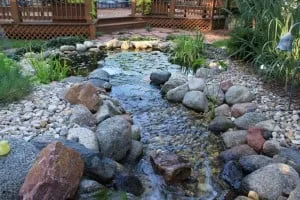
Omaha Landscaping Company is a local Omaha business specializing in comprehensive outdoor solutions for residential properties throughout the metro area. We handle everything from initial design and b...
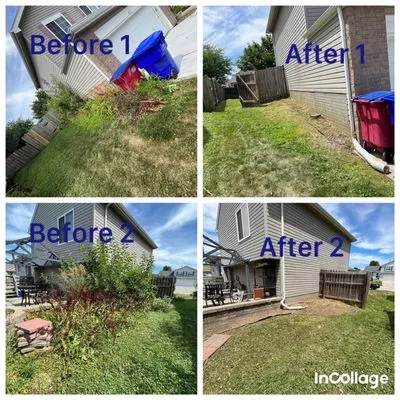
No Joke Lawn Care is your trusted, multi-service contractor in Lincoln, NE, dedicated to protecting and enhancing your home's value. We understand that local homeowners frequently face frustrating law...
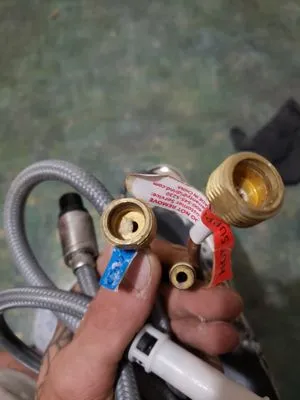
Get-It-Done Private Home Improvement Pros LLC is a locally owned and operated Omaha business that brings over a decade of hands-on property management experience to every project. Founded as a joint L...
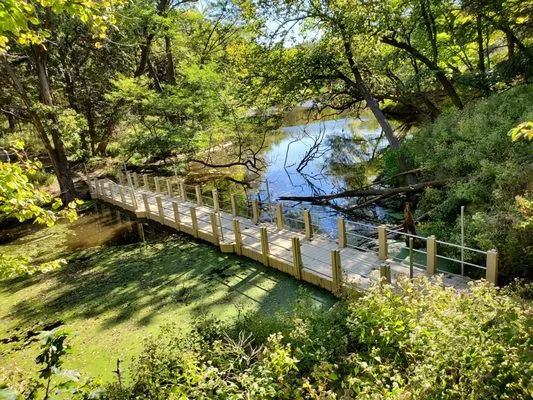
Since 1995, MD Aquatics has been a trusted partner for lake, pond, and landscape management in Lincoln and across Nebraska. We provide a full suite of services to care for your outdoor environment, fr...
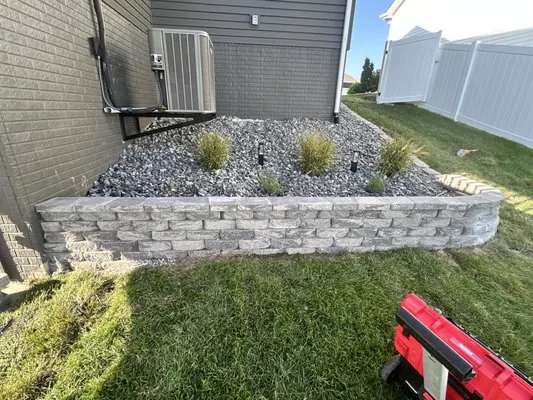
Jan-C is a trusted landscaping and tree service company serving Omaha, NE, with comprehensive solutions for residential and commercial properties. Specializing in both design and maintenance, we offer...

Rammys Luxury Building Partner is a premier landscaping and construction company serving Bellevue, NE, specializing in comprehensive outdoor solutions. As a full-service provider, we handle everything...
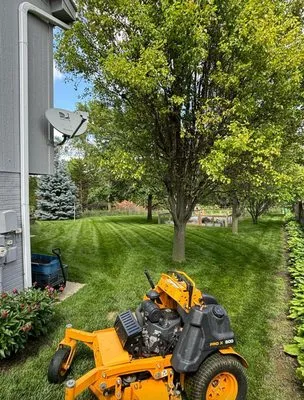
La Bendicion is a trusted Omaha-based company specializing in comprehensive outdoor solutions, including tree services, lawn care, and deck construction. We help local homeowners tackle common Nebrask...
Estimated Landscaping Service Costs in Weeping Water, NE
FAQs
What solutions work best for seasonal ponding in low-lying areas of my yard?
Seasonal ponding in silty clay loam soils requires improved permeability through strategic grading and French drain installation. Using crushed limestone for permeable hardscape areas helps meet Cass County Planning & Zoning Department runoff standards by allowing water infiltration rather than surface runoff. These systems redirect water away from foundation areas while maintaining soil stability during heavy rain events.
Is crushed limestone better than wood for patio materials in our climate?
Crushed limestone offers superior longevity in Zone 5b conditions, withstanding freeze-thaw cycles better than wood decking. This material also supports the moderate Fire Wise rating requirement by creating a 5-foot non-combustible buffer zone around structures. Unlike organic materials that decompose, crushed limestone maintains structural integrity for decades with minimal maintenance while providing excellent drainage properties.
How do smart irrigation systems help maintain Kentucky Bluegrass during dry periods?
Smart Wi-Fi controllers use real-time weather data and ET-based calculations to adjust watering schedules automatically. This technology preserves Kentucky Bluegrass and Tall Fescue turf by delivering precise moisture when needed while staying within municipal water limits. During normal water restriction status, these systems typically reduce water usage by 20-30% compared to traditional timer-based irrigation.
How should I handle invasive species without harming Weeping Water Creek?
Identify invasive species early through regular monitoring and use targeted mechanical removal methods. When chemical treatment is necessary, follow Nebraska Department of Agriculture guidelines for application timing to avoid runoff into Weeping Water Creek. Always maintain the required buffer zones and consider using mycorrhizae inoculants to help native plants outcompete invasives without violating fertilizer ordinance restrictions.
What permits and licenses are needed for grading work on a quarter-acre lot?
Grading projects on 0.25-acre lots in Cass County require permits from the Cass County Planning & Zoning Department to ensure proper drainage and erosion control. Contractors must hold appropriate licensing through the Nebraska Department of Agriculture, particularly for work that affects soil stability or water runoff patterns. These regulations protect against improper grading that could impact neighboring properties or municipal drainage systems.
Why does my Downtown Weeping Water lawn have such poor drainage and compaction issues?
Properties built around 1962, like many in Downtown Weeping Water, have 64-year-old soil systems that have experienced decades of compaction from foot traffic and equipment. Silty clay loam soils naturally have low permeability, and over time this creates poor soil percolation. Core aeration with organic amendments like compost is essential to improve soil structure and water infiltration in these mature landscapes.
How quickly can you respond to an emergency storm cleanup for HOA compliance?
Our electric maintenance fleet can dispatch from Weeping Water City Park via NE-1 within 20-30 minutes during peak response times. This allows rapid debris removal while adhering to the 10:00 PM to 7:00 AM noise ordinance restrictions. We prioritize routes that avoid residential congestion to maintain this response window for urgent landscape restoration needs.
What are the benefits of replacing high-maintenance turf with native plants?
Transitioning to Purple Coneflower, Little Bluestem, Butterfly Milkweed, and Wild Bergamot reduces mowing frequency and eliminates gas-powered equipment use ahead of potential noise ordinance expansions. These native species require minimal irrigation once established and support local pollinator populations. This approach aligns with 2026 biodiversity standards while creating a low-maintenance landscape resilient to Zone 5b climate conditions.
