Top Landscaping Services in Seward, NE, 68434 | Compare & Call
There are 83 landscaping companies server in Seward NE
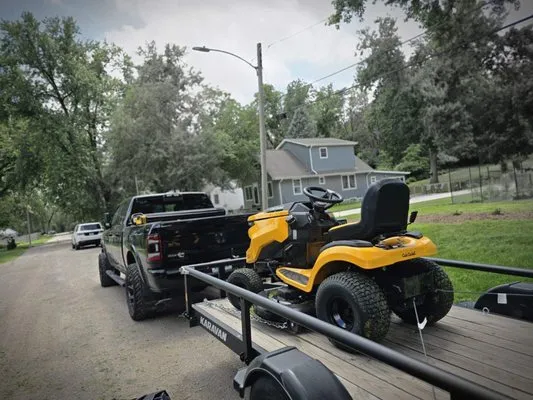
TNT Landscaping is a family-owned and operated business in Lincoln, NE, built on a shared passion for creating and maintaining beautiful outdoor spaces. We believe in listening carefully to our client...
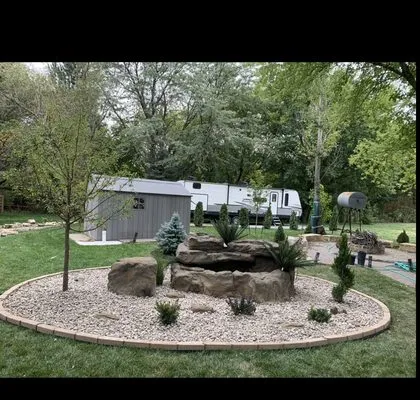
Fox Landscaping is Denton's trusted partner for creating and maintaining beautiful, functional outdoor spaces. We specialize in comprehensive landscape design, construction, and ongoing care, from ini...
Cruz Landscaping Services is a Lincoln-based company specializing in comprehensive landscaping, construction, and junk removal solutions. We help local homeowners tackle common Nebraska landscaping ch...
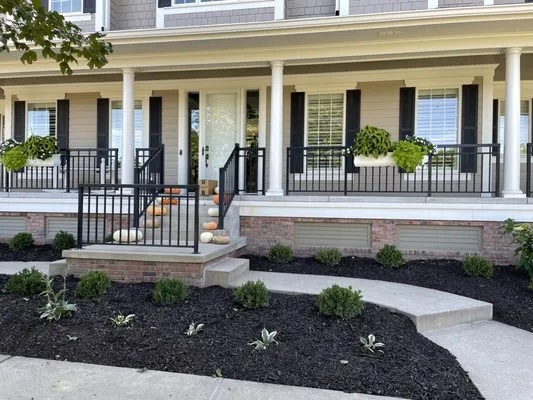
Clear Creek Landscapes
Clear Creek Landscapes is a family-owned and operated Omaha business that has been transforming outdoor spaces since 2006. Starting with just two employees, we've grown to a dedicated team of around 2...
Halsey Home Service is a Grand Island-based company specializing in comprehensive outdoor solutions. We began as a general handyman service and have evolved to focus on tree care, landscaping, and pro...

Reflection Landscaping & Construction
Reflection Landscaping & Construction was founded on a foundation of family craftsmanship in Norfolk, NE. Inspired by working with a father and uncle who instilled the value of quality over everything...
Roy Landscaping is a trusted, locally-owned landscaping company serving homeowners and businesses in Crete, NE. With years of experience, we provide dependable lawn care, landscape maintenance, and co...
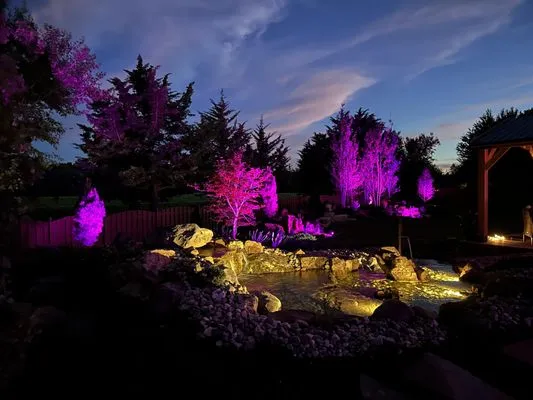
Blingle Premier Lighting of Lincoln
Blingle Premier Lighting of Lincoln is your trusted local expert for transforming outdoor spaces in Lincoln, NE. Specializing in landscaping, holiday decorations, and lighting fixtures, we help homeow...
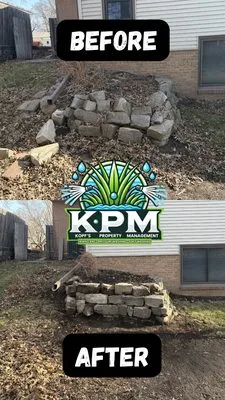
Lucky Landscapes is a locally-owned and operated service company in Lincoln, built from the ground up by a team of dedicated high school students. It began as a personal side hustle and has grown into...
Since 1988, Allsweep has been a trusted name for property maintenance in Wahoo and the surrounding areas. Founded on a commitment to reliable service, we've built our reputation by listening to the sp...
Estimated Landscaping Service Costs in Seward, NE
Q&A
What's the best fix for seasonal ponding in my low-lying yard?
Seasonal ponding indicates poor percolation through the underlying silty clay loam. A graded dry creek bed using crushed limestone or a French drain system can redirect surface water. For new hardscapes, specify permeable concrete pavers to increase ground absorption and meet Seward City Planning & Zoning's runoff management standards. These solutions mitigate erosion and integrate functionally with the existing landscape.
Is it possible to keep a Kentucky Bluegrass lawn healthy under water restrictions?
Yes, with precise management. Wi-Fi ET-based weather-sensing controllers are essential; they adjust schedules daily based on local evapotranspiration data, applying water only as needed. In Seward's current Stage 0 voluntary conservation stage, this technology prevents overwatering and aligns with municipal goals. Deep, infrequent watering cycles for your bluegrass-fescue blend encourage deeper roots, improving drought resilience within the system's parameters.
What permits and credentials are needed to regrade my backyard?
Any significant grading that alters water flow or involves retaining walls over two feet typically requires a permit from the Seward City Planning & Zoning Department. On a 0.22-acre lot, such earthmoving must be performed by a contractor licensed through the Nebraska Department of Agriculture. This ensures compliance with state sediment control and runoff regulations, protecting you from liability and downstream property damage.
Are concrete pavers a better choice than wood for a new patio?
For longevity and minimal upkeep in Nebraska's climate, concrete pavers are superior. They resist frost heave, do not rot or splinter, and offer superior permeability options compared to solid pours. While Seward has a standard residential Fire Wise rating, pavers and crushed limestone also provide a non-combustible, defensible space material, adding a layer of safety that wood decks cannot match over a 25-year lifespan.
How should I handle invasive weeds without harming my lawn?
For pervasive invaders like creeping Charlie or bindweed, a targeted post-emergent herbicide applied in late spring or early fall is most effective. This timing aligns with plant physiology and avoids the state's recommended blackout dates for nitrogen applications to manage runoff. Always combine chemical treatment with cultural practices like proper mowing height and soil aeration to improve turf competitiveness and reduce recurrence.
What are low-maintenance alternatives to my high-input turf grass?
Transitioning perimeter zones to a native matrix of Big Bluestem, Switchgrass, Purple Coneflower, and Wild Bergamot significantly reduces water, mowing, and chemical inputs. These deep-rooted perennials are adapted to Zone 5b and support local pollinators. This shift also future-proofs your property against evolving noise ordinances that restrict gas-powered blowers and mowers, aligning maintenance with electric fleet operations.
How quickly can you respond for an HOA violation notice requiring cleanup?
For urgent compliance work, our electric fleet can dispatch from the Seward County Courthouse area. The route via I-80 to the Plum Creek Residential District allows a typical arrival within 20-30 minutes, even during peak periods. We prioritize these calls to address overgrowth, debris, or turf standards before fines are issued, completing initial remediation within the same service window.
Why does my lawn in the Plum Creek District look thin and compacted?
Properties built around 1976, like many in this neighborhood, have soils that have matured for 50 years. Your silty clay loam has likely become dense from decades of mowing and foot traffic, restricting root growth and water infiltration. Core aeration every 2-3 years is critical to relieve compaction and incorporate organic matter like compost. This process enhances soil permeability and directly addresses the nutrient-holding capacity of your native soil profile.
