Top Landscaping Services in Ord, NE, 68862 | Compare & Call
There are 164 landscaping companies server in Ord NE
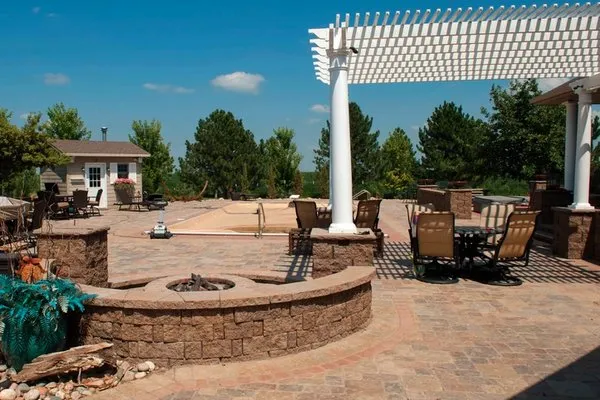
Fairview Landscape Lighting & Design is a Grand Island-based landscaping company founded on a legacy of family craftsmanship and local expertise. Established in 1997 as a father-son operation by Mark ...
Jerry’s Lawn and Tree Service
Jerry's Lawn and Tree Service is a family-operated business that has been serving Grand Island and surrounding communities for over 50 years. We specialize in comprehensive lawn care, tree services, a...
Elite Dreamscapes is a Grand Island, NE, landscaping company recognized for its comprehensive outdoor services. Founded and operated locally, we bring a personal commitment to every project, from init...
GMP Fertilizing & Lawn Care is a locally owned and operated lawn service company in Grand Island, NE, founded by a veteran with a commitment to quality and community. We specialize in comprehensive la...
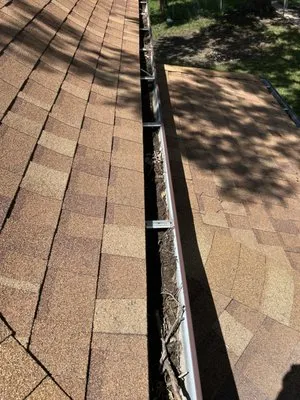
Scott Peck, the owner of Preferred Enterprise, brings years of hands-on experience to every project in Hastings, NE. As a fully licensed and insured local contractor, he and his team provide reliable,...
K&M Landscaping is a Grand Island-based company dedicated to maintaining and enhancing outdoor spaces in our community. We specialize in addressing common local issues like lawn insect damage and over...
Central Nebraska Sod Supply
Central Nebraska Sod Supply, building on the legacy of Rick's Sod Farm, is a locally owned and operated landscaping company in Grand Island. We provide high-quality sod for residential and commercial ...
Bigg's Lawn & Sprinklers is your trusted, full-service partner for a healthy and beautiful property in Grand Island. We handle all aspects of lawn care, from regular maintenance and detailed spring an...
Island Sprinkler Supply has been a trusted irrigation and landscaping resource in Grand Island, NE, since 1980. Founded by Frank Cummins and now led by his son John, this family-owned business operate...
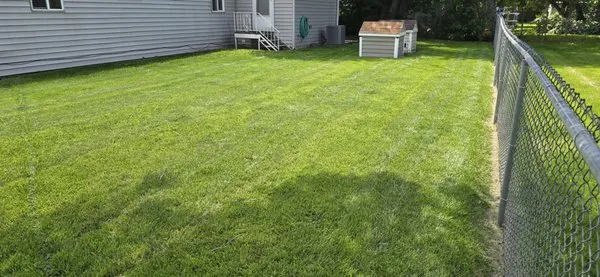
T&R Lawn Care Services is a trusted, locally-owned provider in Grand Island, NE, specializing in comprehensive lawn care and reliable snow removal. We understand the unique challenges Grand Island hom...
Estimated Landscaping Service Costs in Ord, NE
FAQs
Our Downtown Ord home was built in 1944. Why does the soil seem compacted and alkaline despite regular care?
Properties in Downtown Ord with 1944 construction dates have 82-year-old soil systems. The Mollisols/Loess soil common here naturally settles to pH 7.2-7.6 over decades, creating alkaline conditions that limit nutrient availability. Core aeration every 2-3 years addresses compaction from historical foot traffic and equipment. Incorporate 1-2 inches of composted organic matter annually to improve soil structure and microbial activity. This approach enhances water infiltration while maintaining the soil's natural fertility profile.
What permits and licenses are needed for regrading our 0.22-acre property in Ord?
The Ord City Planning and Zoning office requires grading permits for soil movement exceeding 50 cubic yards. Contractors must hold Nebraska Department of Agriculture licensing for erosion control implementation. Professional engineering stamps become necessary when modifying slopes over 15% grade. These regulations ensure proper water management across neighboring properties while preventing sedimentation in municipal systems. Licensed professionals document soil compaction testing to verify long-term stability.
What invasive species should we monitor for, and how do we treat them within Nebraska's fertilizer guidelines?
Japanese knotweed and leafy spurge present the highest risk in USDA Zone 4b. Spot-treat emerging growth in early April before the mid-April mulching peak using glyphosate formulations labeled for residential use. Avoid phosphorus applications entirely, as state guidelines prohibit use on frozen ground. Manual removal followed by solarization provides chemical-free control for smaller infestations. Regular monitoring prevents establishment while maintaining soil health through organic amendment cycles.
We need emergency storm debris cleanup to meet HOA compliance deadlines. How quickly can a crew reach our Downtown Ord property?
Emergency response crews dispatch from the Valley County Courthouse area within 30 minutes of notification. The route follows Nebraska Highway 11 directly into Downtown Ord neighborhoods, maintaining a consistent 15-20 minute travel window. Crews arrive with electric-powered equipment that operates within municipal quiet hour restrictions. This scheduling accounts for traffic patterns while ensuring compliance documentation is completed during the initial site assessment.
Our silty loam slope has moderate runoff issues after heavy rains. What solutions work with Ord's planning requirements?
Silty loam's moderate permeability requires graded swales or French drains to redirect water flow. The Ord City Planning and Zoning office permits permeable hardscape installations using crushed limestone bases beneath concrete pavers. These materials increase infiltration rates by 50-60% compared to solid surfaces. Strategic placement along slope contours captures runoff before it reaches property boundaries, meeting municipal standards while preventing soil erosion.
Should we use concrete pavers or wood for a new patio, considering durability and fire safety?
Concrete pavers offer 40+ year lifespans versus wood's 15-20 years in Nebraska's freeze-thaw cycles. Their non-combustible nature supports Moderate Fire Wise ratings by creating defensible space around structures. Crushed limestone bases provide drainage that meets slope stability requirements. Unlike wood, pavers require no chemical treatments that could leach into soil systems. This material selection balances longevity with responsible land management practices for 0.22-acre lots.
Can we reduce maintenance noise and water use by replacing some turf with native plants?
Transitioning 25-30% of turf to Little Bluestem, Purple Coneflower, and Butterfly Milkweed reduces mowing frequency and eliminates gas-powered blower use during quiet hours. These deep-rooted natives require no irrigation after establishment and support local pollinator populations. The conversion creates a mosaic landscape that meets 2026 biodiversity standards while providing visual interest through seasonal color variations. This approach anticipates potential future restrictions on combustion-engine equipment.
How do we maintain Kentucky Bluegrass and Tall Fescue blends during Level 1 water restrictions without overwatering?
Smart Wi-Fi controllers with soil moisture sensors create ET-based irrigation schedules that reduce water use by 30-40% compared to traditional timers. These systems measure actual soil conditions rather than relying on calendar-based programming. During peak summer months, they deliver 0.75-1 inch of water weekly in multiple short cycles to prevent runoff. This technology maintains turf health while staying well within voluntary conservation guidelines through precise moisture management.
