Top Landscaping Services in Omaha, NE, 51510 | Compare & Call
There are 194 landscaping companies server in Omaha NE
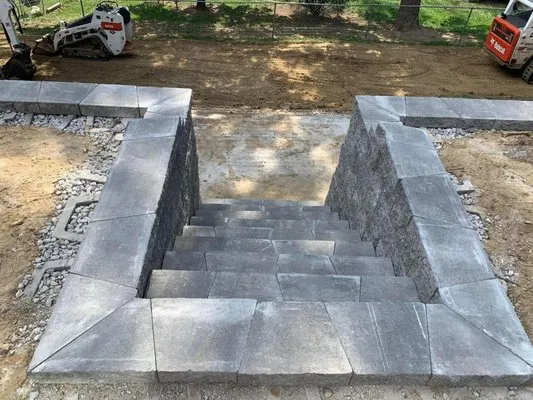
ATA Retaining Walls is a trusted Omaha landscaping contractor specializing in building durable, functional solutions for local homeowners. We understand the unique challenges of our region, including ...

Santacruz General Services is your trusted, local partner for comprehensive property care in Omaha. We are a licensed and insured general contractor dedicated to building and maintaining beautiful, fu...
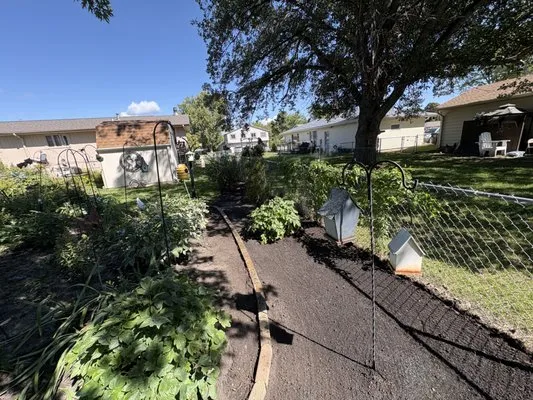
True Heights Landscaping is a full-service landscaping and masonry contractor serving Omaha, NE. We specialize in solving common local issues like soil compaction and irrigation system failures. Our c...
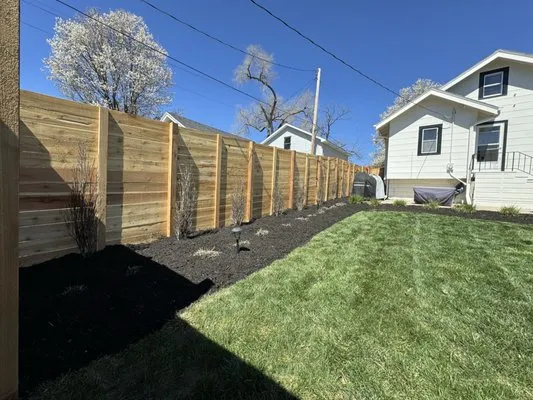
H & H Lawn and Landscape is a Gretna-based, family-owned company founded in 1997 by brothers Mark and Tim Hauptman. What began as a childhood venture mowing neighbors' lawns has grown into a full-serv...
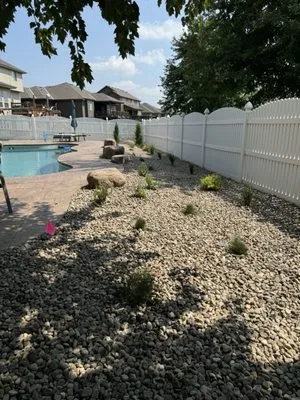
Vista Verde Landscaping is a family-owned landscaping business serving the Omaha Metro Area, specializing in comprehensive landscape and hardscape solutions. With expertise in earthmoving, patio const...
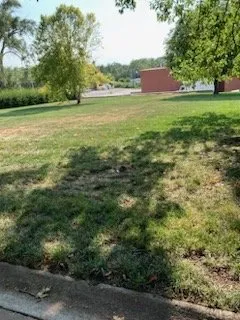
Juan Landscape is a trusted landscaping and tree service provider serving Omaha, NE, and surrounding areas. Specializing in comprehensive landscape solutions, we help local homeowners transform and ma...
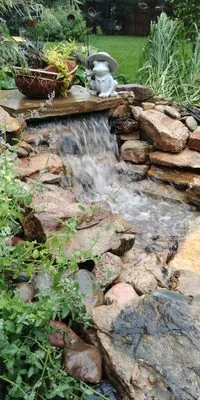
ImageScapes Lawn & Landscape
ImageScapes Lawn & Landscape is a locally owned and operated Lincoln business with deep roots in Nebraska. Founder Scott grew up on a farm in nearby Ashland, learning a strong work ethic and how to op...

Reitano's Outdoor and Service is a locally owned small business in Omaha, NE, with over 20 years of experience specializing in small engine repair and outdoor services. We provide reliable lawn care, ...
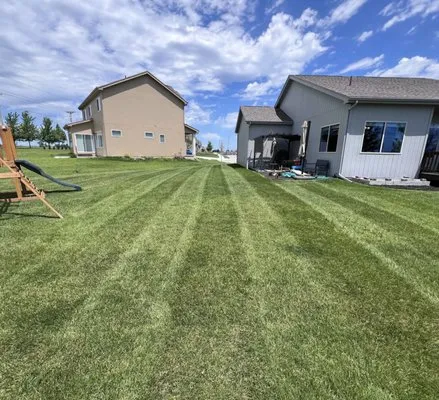
Verdant Knight Lawn Care is a locally owned and operated lawn service business in Papillion, NE, founded by John Rinn in 2024. With a deep-rooted passion for lawn care that began in childhood, John co...

Omaha Organics was founded by Rob Elder, who turned a teenage passion for the outdoors into a mission to provide safe, sustainable lawn care for Omaha families. After years of operating a traditional ...
Estimated Landscaping Service Costs in Omaha, NE
Questions and Answers
How quickly can you respond to an emergency tree cleanup after a storm?
Emergency storm response from Memorial Park via I-80 to Dundee neighborhoods typically requires 30-45 minutes during peak conditions. Our electric maintenance fleet operates within standard municipal decibel limits, allowing rapid deployment without noise ordinance violations. We prioritize routes that avoid major congestion points while maintaining communication with Omaha's emergency management channels. This ensures timely arrival for HOA compliance issues or safety-critical situations requiring immediate attention.
How do I manage invasive species without chemical runoff concerns?
Common invasive alerts in Zone 5b include creeping Charlie and bindweed, which compete with desirable vegetation. Mechanical removal during dry periods prevents soil disturbance that spreads propagules. Spot treatments with EPA-approved herbicides avoid phosphorus runoff violations under state guidelines when applied outside blackout dates. For persistent issues, solarization with clear plastic during peak summer heat eliminates weed seed banks. Always verify treatment timing against Nebraska's fertilizer ordinance schedules to prevent water contamination.
Why does my Dundee neighborhood soil feel so compacted and heavy?
Omaha's Dundee area has Mollisols/silty clay loam soil with pH 6.8-7.2, which naturally compacts over time. With typical 1972 construction dates, these soils have matured for 54 years, developing dense layers that restrict root growth and water infiltration. Core aeration every 1-2 years combined with organic amendments like compost improves soil structure and permeability. This addresses the high clay content common in established neighborhoods where decades of foot traffic and maintenance equipment have increased soil density.
What permits and licenses are needed for grading my 0.19-acre property?
Grading work on 0.19-acre lots requires Omaha Planning Department permits for soil disturbance exceeding 100 square feet. The Nebraska Department of Agriculture licenses professionals handling earthmoving equipment and soil amendments. Licensed contractors must demonstrate knowledge of local drainage patterns and erosion control measures specific to silty clay loam soils. Unpermitted grading can violate municipal codes regarding stormwater management and property line alterations. Always verify contractor credentials through both agencies before commencing landscape modifications.
Are permeable clay pavers better than wood for durability and safety?
Permeable clay pavers offer 40+ year lifespans versus wood's 10-15 years, with minimal maintenance requirements. Their non-combustible nature supports Low Fire Wise ratings in urban residential densities like Dundee, providing defensible space without fuel accumulation. Clay pavers maintain structural integrity through freeze-thaw cycles common in USDA Zone 5b, while their permeability reduces stormwater runoff. Unlike wood, they resist rot, insect damage, and warping, making them suitable for Omaha's variable climate conditions.
What low-maintenance alternatives exist for traditional turf grass?
Transitioning to native plantings like Purple Coneflower, Little Bluestem, and Butterfly Milkweed reduces maintenance by 60-80% compared to conventional turf. These species require minimal watering once established and eliminate weekly mowing from April through October. Native landscapes support local pollinators while staying ahead of potential gas-blower restrictions under evolving noise ordinances. Prairie Dropseed and Wild Bergamot provide year-round interest with deep root systems that improve soil structure and drought resilience.
What solutions prevent water pooling in my clay-heavy yard?
High clay content in Mollisols creates permeability challenges leading to localized pooling. Installing permeable clay pavers increases surface infiltration rates by 50-70% compared to conventional materials. These pavers meet Omaha Planning Department runoff standards while providing structural stability. For severe cases, French drains or dry creek beds with gravel layers redirect subsurface water away from foundations. Combined with proper grading, these systems address drainage hazards common in silty clay loam soils.
Can I maintain healthy turf while following Omaha's water conservation guidelines?
Wi-Fi ET-based weather sensing irrigation systems automatically adjust watering schedules based on real-time evapotranspiration data. This technology preserves Kentucky Bluegrass and Tall Fescue blends while staying within Stage 1 voluntary conservation limits. The system reduces water application by 20-30% compared to traditional timers by accounting for rainfall, temperature, and humidity. Properly calibrated ET controllers meet municipal water restrictions while maintaining turf health through precise moisture management.
