Top Landscaping Services in Lincoln, NE, 68336 | Compare & Call
There are 203 landscaping companies server in Lincoln NE
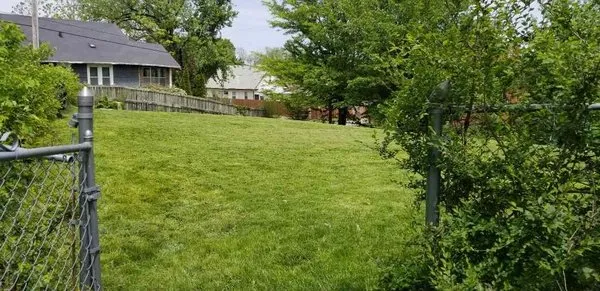
Machine Mowers in Lincoln, NE, is a green-friendly automated lawn care company dedicated to making life easier for residents. We believe in automating routine lawn maintenance through reliable robotic...
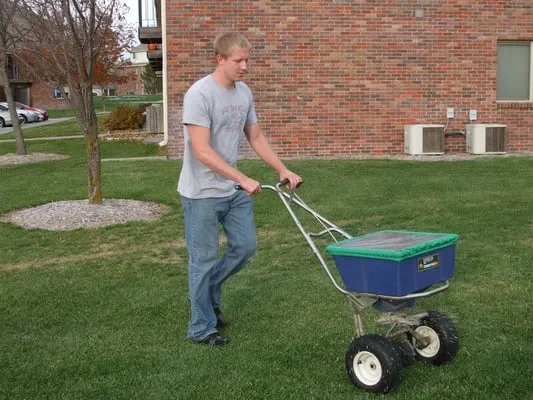
1776 Grounds Maintenance is a locally owned and operated groundskeeping service based in Lincoln, NE, serving commercial properties within a 15-mile radius. Founded in 2001, the company provides year-...
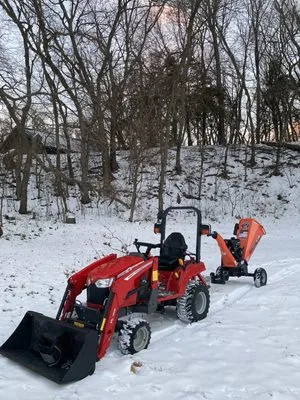
The Microgreen Nursery in Odell is your local partner for comprehensive lawn and tree care. We specialize in diagnosing and solving the specific landscaping challenges faced by homeowners in our area,...
S&L Trenching & Lawn Care is a Lincoln-based company specializing in septic services and lawn care. We provide reliable solutions for homeowners, focusing on practical, budget-friendly services tailor...
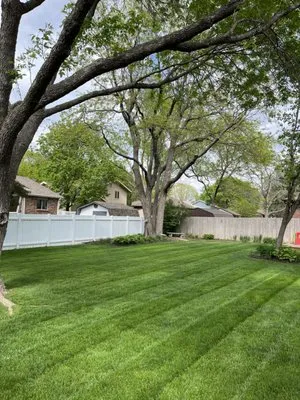
KW Lawn and Landscape
KW Lawn and Landscape is a locally owned and operated company serving Lincoln and the surrounding communities. We are dedicated to enhancing the beauty and functionality of your outdoor spaces with co...
Jackson Landscaping is a local, family-focused business in Lincoln, NE, built on the simple idea of doing great work for great people. Owner-driven and committed to the community, I started this compa...
For over 20 years, TDK Lawn Care has been the trusted, locally-owned choice for year-round property care in Lincoln. Founded in 2002, our licensed and insured team provides reliable, honest service ta...
TCS Tree Service is Lincoln's trusted partner for comprehensive tree and landscape care. We understand that local homeowners face common challenges like dead lawn patches and improper grading, which c...

Nebraska Lawn & Pest is a locally-owned pest control and lawn care company serving Lincoln, NE, and surrounding areas. We specialize in comprehensive pest management solutions for both residential and...

Lincoln Outdoor Living is a locally owned landscaping company dedicated to solving the common lawn and yard challenges faced by homeowners in Lincoln, NE. We specialize in diagnosing and repairing iss...
Estimated Landscaping Service Costs in Lincoln, NE
Question Answers
Why does my Near South neighborhood soil feel so compacted and drain poorly?
Lincoln's Near South lots, typically built around 1980, have 46-year-old soil systems. The silty clay loam common here has undergone decades of compression from construction and maintenance, reducing pore space. This soil type naturally has low permeability, which worsens with age, leading to poor water infiltration and oxygen deprivation for roots. Core aeration combined with organic amendments like composted leaf mold can restore soil structure and biological activity.
How can I maintain my Kentucky Bluegrass and Tall Fescue lawn during Lincoln's water restrictions?
Smart Wi-Fi controllers with ET-based moisture sensors optimize irrigation by applying water only when evapotranspiration data indicates need. These systems adjust for weather conditions, reducing water use 20-40% while preserving turf health. During Stage 1 voluntary conservation, this technology helps stay within municipal guidelines. Proper scheduling based on soil moisture rather than fixed timers prevents overwatering Lincoln's clay-rich soils.
How quickly can you respond to an emergency tree cleanup after a storm?
Emergency storm response from our base near Sunken Gardens typically takes 20-30 minutes during peak conditions. We route via I-180 to access Near South neighborhoods efficiently. Our electric equipment fleet complies with Lincoln's noise ordinance restrictions, allowing early morning deployment when needed. This rapid response helps prevent further property damage and addresses immediate safety hazards from fallen limbs.
How should I manage invasive species without violating Lincoln's fertilizer regulations?
For invasive plants like Japanese knotweed or creeping bellflower, mechanical removal followed by solarization works effectively. Lincoln's fertilizer ordinance prohibits phosphorus application without soil test documentation, so organic amendments require proper testing first. Timing treatments outside blackout periods ensures compliance while addressing invasions. Integrating competitive native species creates ecological resistance to future invasions without chemical dependency.
Are permeable pavers better than wood decking for Lincoln's climate and fire safety?
Permeable concrete pavers outperform wood in Lincoln's Zone 5b climate with 30+ year longevity versus wood's 10-15 years. They require no sealing or replacement of rotting boards. For Moderate Fire Wise rated areas, pavers provide defensible space without combustible materials. Their thermal mass moderates temperature extremes, and permeability addresses Lincoln's runoff concerns while meeting urban interface standards.
What permits and licenses are needed for regrading my 0.15-acre property?
Grading work on 0.15-acre lots requires Lincoln Building and Safety Department permits for earth moving exceeding 50 cubic yards. Contractors must hold Nebraska Department of Agriculture licensing for landscape construction. Proper licensing ensures compliance with erosion control measures and drainage standards. Unpermitted grading can violate municipal codes and create liability issues, particularly with Lincoln's sensitive clay soils and runoff regulations.
What solutions work best for Lincoln's high runoff problems in residential yards?
Lincoln's loess-derived clay soils create significant runoff issues due to low permeability. Installing permeable concrete pavers allows water infiltration at 3-5 inches per hour, reducing stormwater volume. These systems often meet Lincoln Building and Safety Department requirements for onsite retention. Combining pavers with French drains and Platte River rock swales creates integrated drainage that manages water without overwhelming municipal systems.
What low-maintenance alternatives work well instead of traditional lawn grass?
Replacing high-maintenance turf with native plants like Purple Coneflower, Little Bluestem, Butterfly Milkweed, and Wild Bergamot reduces water needs by 75%. These species support local pollinators and require minimal care once established. This approach aligns with evolving noise ordinances by eliminating gas-powered equipment needs. Native plantings also sequester more carbon and improve soil health through deeper root systems.
