Top Landscaping Services in Hastings, NE, 68901 | Compare & Call
There are 45 landscaping companies server in Hastings NE
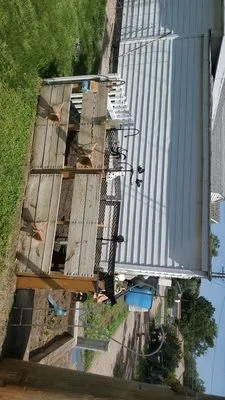
Kev is a Grand Island local through and through. As a family man who puts his community first, he finds real joy in helping his neighbors smile by improving their homes and yards. With years of hands-...
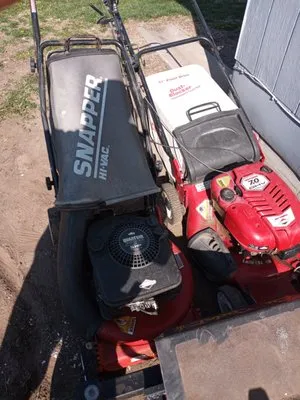
Tom and Son Lawn Care is a family-owned lawn service provider serving Hastings, NE, and surrounding areas. Specializing in comprehensive lawn care, they help local homeowners tackle common landscaping...
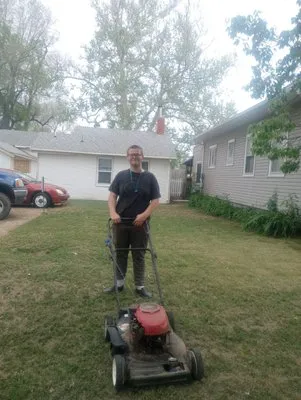
Redneck Lawn Services is a local Hastings business dedicated to keeping your yard in top shape, no matter what Nebraska weather throws at it. We specialize in reliable lawn care and understand the com...
Manny Landscaping is a trusted, locally-owned landscaping company serving the Hastings, NE community. We understand the unique challenges Hastings homeowners face, particularly with irrigation system ...
Aaron's Family Landscaping is a trusted, locally-owned landscaping provider in Hastings, Nebraska. We specialize in helping area homeowners tackle common lawn and garden challenges, such as persistent...
R & BS Mowing is a trusted landscaping provider serving homeowners in Hastings, NE. We understand the common local challenges of soil compaction and lawn fungus diseases, which can stifle healthy gras...
Landscape Therapy in Hastings, NE, specializes in diagnosing and treating common local yard problems like erosion and persistent weeds. Serving homeowners across the area, the company offers practical...

Hastings Ne Lawn And Snow is your trusted local provider for year-round property care in Hastings, NE. We specialize in comprehensive lawn care and reliable snow removal services, helping homeowners m...
Western Irrigation has been a trusted provider of irrigation and landscaping solutions in Hastings, NE, and beyond since 1985. Specializing in subsurface drip irrigation (SDI) systems, they offer wate...

A Cut Above Lawncare is your trusted local lawn service provider in Hastings, NE, dedicated to maintaining healthy, vibrant outdoor spaces. We specialize in comprehensive lawn care solutions that dire...
Estimated Landscaping Service Costs in Hastings, NE
Frequently Asked Questions
We get a soggy spot in our yard every spring. What's a permanent solution?
Moderate seasonal ponding in low-lying depressions is common with Hastings Silt Loam due to its slow percolation rate. A French drain system, daylighting into a rain garden planted with native Switchgrass, effectively redirects surface water. For new hardscapes, specifying permeable concrete pavers or open-graded crushed limestone bases increases onsite infiltration. These solutions often meet the Hastings Development Services Department's updated stormwater runoff standards for residential lots.
We're tired of weekly mowing and noisy gas blowers. What are our options?
Transitioning high-maintenance turf areas to a native palette featuring Big Bluestem, Butterfly Milkweed, and Leadplant significantly reduces fossil-fueled maintenance. These deep-rooted perennials require no mowing, less water, and support local pollinators. As city noise ordinances tighten around gas-powered equipment, an electric fleet and a landscape designed for biodiversity represent a forward-looking investment. This shift also builds a more resilient ecosystem on your property.
Is crushed limestone or wood mulch better for garden paths and fire safety?
Crushed limestone offers superior longevity and fire resistance compared to wood mulch, which decomposes and can pose a fuel hazard. In Hastings' low Firewise rating urban setting, using non-combustible materials like limestone or concrete pavers for paths and patios creates critical defensible space. These materials also provide a stable, permeable surface that mitigates the compaction issues inherent to the local silt loam soil, making them a durable and pragmatic choice.
What are the biggest weed threats here, and how do we manage them responsibly?
In established Heartwell Park lawns, invasive species like creeping bellflower and bindweed are prevalent. Targeted spot-treatment with appropriate herbicides in late spring, when weeds are actively growing, is most effective. Crucially, all applications must adhere to Nebraska's nutrient management regulations, which prohibit winter fertilization and mandate calibrated equipment. For organic management, persistent manual removal combined with promoting dense, healthy turf through core aeration and compost is the recommended strategy.
We have a sudden HOA compliance notice for overgrowth. How quickly can a crew arrive?
A service dispatch from our central yard near the Adams County Courthouse typically routes via US-6/US-281, reaching most Heartwell Park addresses within 15-20 minutes for emergency cleanup. Our electric maintenance fleet operates within city quiet hours, allowing for early morning starts to address violations promptly. We prioritize securing the property to compliance standards, followed by a scheduled consultation for a sustainable landscape plan to prevent future issues.
Our yard feels tired and compacted. What's going on with the soil in our older Heartwell Park neighborhood?
Properties built around 1964, like many in Heartwell Park, have 60-year-old soil profiles dominated by Hastings Silt Loam. This fine-textured soil has low natural permeability and compacts easily, limiting root growth and water infiltration. Core aeration is critical every fall or spring to alleviate this. Incorporating a 1/4-inch layer of compost as a top-dressing annually builds stable organic matter, improving soil structure and microbial activity for the long term.
We want to regrade our backyard. What permits and contractor qualifications are needed?
Regrading a 0.22-acre lot in Hastings requires a permit from the Development Services Department if you are moving more than a few cubic yards of earth, as it impacts drainage patterns. The contractor must hold appropriate licensing, often through the Nebraska Department of Environment and Energy, especially for work near property lines or that could affect stormwater systems. This ensures the work complies with city code and protects you from liability related to downstream erosion or flooding.
How can we keep our Kentucky Bluegrass lawn healthy during Stage 1 water conservation?
Under Hastings' voluntary conservation measures, smart Wi-Fi controllers with soil moisture sensors are essential. These systems schedule irrigation based on actual evapotranspiration (ET) data, preventing overwatering. For Tall Fescue and Bluegrass blends, we program deep, infrequent watering cycles in the very early morning to maximize efficiency. This approach often reduces total water use by 20-30% while maintaining turf health, keeping you well within recommended municipal limits.
