Top Landscaping Services in Grant, NE, 69140 | Compare & Call
There are 40 landscaping companies server in Grant NE
McConnell Landscaping & Irrigation is a Lodgepole-based business dedicated to solving the common lawn and garden challenges faced by local homeowners. We specialize in diagnosing and repairing faulty ...
Jays Lawn Service is Sidney's trusted partner for maintaining healthy, beautiful lawns. We understand the specific challenges local homeowners face, like stubborn lawn fungus diseases and overgrown sh...
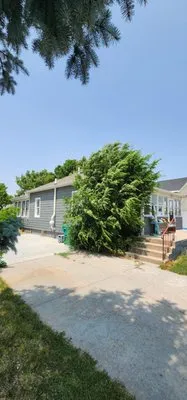
JT's Yard Services is your trusted, locally-owned neighbor in Chappell, NE, dedicated to solving the common landscaping challenges homes in our area face. We understand that soil compaction and uneven...
Western Landscaping & Turf is a locally-owned landscaping company dedicated to serving homeowners in Ogallala, NE, and the surrounding areas. We understand the common challenges in our region, such as...
Scotts General Service is a trusted home services provider in Ogallala, Nebraska, founded in 2020 to meet the diverse maintenance needs of local residents. We specialize in handyman work, painting, an...
Dan Jones Home Improvements Handyman Services
Dan Jones Home Improvements Handyman Services is a trusted local provider in Ogallala, NE, specializing in fences & gates, landscaping, and painting. Many Ogallala homes face common landscaping challe...
K Lawn is a trusted lawn care provider serving Ogallala, NE, dedicated to helping homeowners maintain healthy, beautiful landscapes. We specialize in comprehensive lawn care services that address comm...
Mike's Mowing
Mike's Mowing is your trusted, local lawn and landscape partner in Ogallala, NE. We specialize in solving common local yard challenges, particularly patchy grass and uneven sprinkler coverage that can...
Southwest Fertilizer in Trenton, NE, is a trusted local landscaping partner dedicated to helping homeowners and businesses maintain healthy, vibrant lawns. We specialize in addressing common local iss...
Out Of The Grain Specialty & Novelty
Out of the Grain Specialty & Novelty in Stapleton, NE, is a unique destination where craftsmanship and local flavor meet. The shop specializes in custom woodworking, offering beautifully crafted cutti...
Estimated Landscaping Service Costs in Grant, NE
FAQs
Should I replace high-maintenance turf with native plants?
Transitioning to Little Bluestem, Prairie Dropseed, Purple Coneflower, and Leadplant reduces maintenance frequency 70-80% while supporting 2026 biodiversity standards. These deep-rooted natives require no weekly mowing, eliminating gas equipment that conflicts with evolving noise ordinances. Established native plantings need irrigation only during establishment, then survive on Grant's 22-inch annual precipitation. This approach creates fire-resistant landscapes appropriate for Moderate Fire Wise ratings while providing year-round habitat value.
What solutions address wind erosion and compaction in my yard?
Moderate wind erosion and localized compaction in Fine Sandy Loam require integrated drainage strategies. Permeable crushed limestone bases under concrete pavers achieve 2-4 inches per hour infiltration rates, meeting Perkins County Planning and Zoning runoff standards. French drains with washed gravel and geotextile fabric redirect subsurface water while native groundcovers stabilize soil surfaces. These approaches reduce erosion by 60-80% compared to traditional hardscaping in Grant's grassland interface environment.
Are crushed limestone and concrete pavers better than wood for longevity?
Crushed limestone with concrete pavers provides 25-40 year durability versus wood's 8-15 year lifespan in Grant's Zone 4b climate. These materials maintain structural integrity through freeze-thaw cycles that degrade wood rapidly. For Moderate Fire Wise rated areas, non-combustible hardscapes create essential defensible space when installed 5-30 feet from structures. Properly compacted limestone bases prevent settling issues common in Fine Sandy Loam, while permeable designs reduce heat island effects common with traditional concrete.
Why does my Grant Residential Core lawn have such compacted soil that needs annual aeration?
Most homes in Grant's Residential Core neighborhood were built around 1962, creating 64-year-old soil profiles. Fine Sandy Loam soil (pH 7.2-7.8) naturally develops compaction layers from decades of foot traffic and maintenance equipment. This soil type's fine particles settle tightly, reducing permeability to 0.5-1.5 inches per hour. Core aeration every 2-3 years and adding 0.25 inches of compost annually addresses this historical compaction while maintaining proper soil structure.
What permits and licenses are needed for grading my 0.25-acre lot?
Grading a 0.25-acre lot in Grant requires Perkins County Planning and Zoning approval for any cut/fill exceeding 50 cubic yards. Contractors must hold Nebraska Department of Agriculture Pesticide Application License if treating vegetation during grading, plus business licensing for earthmoving operations. Professional engineering stamps become necessary when modifying drainage patterns affecting neighboring properties. These requirements ensure compliance with state BMPs and prevent downstream erosion in Grant's Moderate Fire Wise interface zones.
How quickly can you respond to an HOA compliance notice for overgrown vegetation?
Emergency cleanup crews dispatch from the Perkins County Courthouse area via US Highway 61, reaching Grant Residential Core properties in 15-20 minutes. We maintain electric equipment fleets that operate within standard noise nuisance restrictions (7am-9pm). For urgent HOA compliance, same-day service includes debris removal and documentation of corrective actions. This regional response time accounts for Grant's moderate traffic patterns and equipment staging requirements.
What invasive species threaten Grant lawns and how do I treat them safely?
Grant faces invasive threats including Canada Thistle, Leafy Spurge, and Cheatgrass that outcompete native vegetation. Treatment requires precise timing outside Nebraska's BMP fertilizer blackout dates (typically November-February). Spot applications of glyphosate-based herbicides in early fall, combined with pre-emergent controls in mid-April, manage invasions without violating regulations. Always verify current blackout periods with the Nebraska Department of Agriculture, as these adjust based on annual precipitation and soil temperature data.
Can I maintain Kentucky Bluegrass and Tall Fescue during voluntary water conservation?
Smart Wi-Fi ET-based controllers with soil moisture sensors optimize irrigation despite voluntary conservation stages. These systems calculate evapotranspiration rates specific to Grant's USDA Zone 4b climate, applying 0.75-1.25 inches weekly only when soil moisture drops below 50% field capacity. This preserves turf health while reducing water use 30-40% below conventional schedules. Soil sensors prevent irrigation during rainfall events, keeping usage within municipal guidelines for Fine Sandy Loam's 7.2-7.8 pH range.
