Top Landscaping Services in Geneva, NE, 68361 | Compare & Call
There are 180 landscaping companies server in Geneva NE
Yard Boss
Yard Boss is a trusted, locally owned lawn care and pest control company serving the Lincoln and Roca communities. With over 15 years of experience and more than 500 verified 5-star reviews, we've bui...
Schultz’s Lawncare is a Lincoln-based lawn and landscape service founded on a commitment to hard work and customer satisfaction. Starting five years ago with a single mower, owner Schultz has steadily...
Creative Landscaping is a family-owned business that has been serving Lincoln, NE, since 2004. We specialize in landscape design, maintenance, and hardscaping, with a team that includes experienced la...
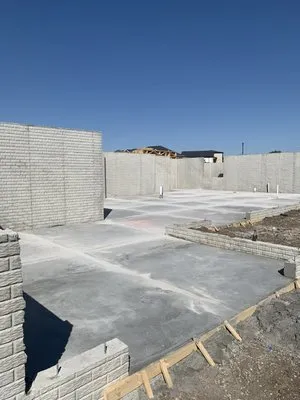
Geysun Brothers Landscaping is a licensed and insured Lincoln-based company specializing in comprehensive outdoor solutions. We provide masonry, concrete work, landscaping, and tree services for both ...
D & R Landscaping is a trusted local landscaping service in Lincoln, NE, dedicated to solving the common irrigation problems faced by area homeowners. Many residents struggle with uneven sprinkler cov...
J's Lawn Care is a trusted local landscaping and snow removal service based in Lincoln, NE, dedicated to helping homeowners maintain healthy, beautiful outdoor spaces year-round. We specialize in addr...
Clean Air Lawn Care Lincoln provides eco-friendly lawn care services for homeowners in Lincoln, NE. We specialize in addressing common local lawn problems, such as poor grading that leads to water poo...
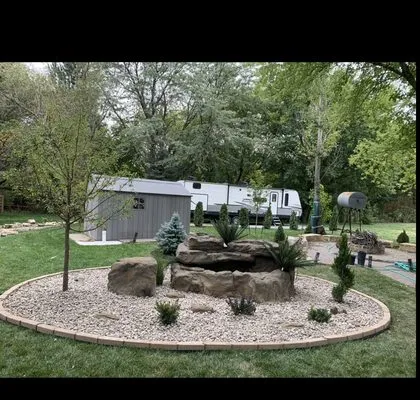
Fox Landscaping is Denton's trusted partner for creating and maintaining beautiful, functional outdoor spaces. We specialize in comprehensive landscape design, construction, and ongoing care, from ini...

For four decades, Weed Man Lincoln has been helping Nebraska families build beautiful, healthy lawns and landscapes. We take a tailored approach, providing professional lawn care and integrated pest m...
Elite Mowing is a trusted lawn care provider serving Lincoln, NE, dedicated to helping homeowners maintain healthy, beautiful yards. We specialize in comprehensive lawn care services that directly add...
Estimated Landscaping Service Costs in Geneva, NE
Question Answers
How do I keep my Kentucky Bluegrass healthy during Geneva's dry periods?
Smart Wi-Fi ET-based weather sensing controllers automatically adjust watering based on actual evapotranspiration rates and local conditions. These systems maintain turf health while reducing water use by 20-30% compared to traditional timers. With Geneva currently at Stage 0 water restrictions, this technology ensures compliance while preserving your Tall Fescue blend. The controllers integrate real-time weather data to skip unnecessary watering during rainfall or high humidity periods.
What permits and licenses are required for regrading my backyard?
Grading work on 0.22-acre lots requires Fillmore County Planning and Zoning approval for any changes affecting drainage patterns. Contractors must hold Nebraska Department of Agriculture pesticide applicator licenses if treating vegetation during the process. Significant earth moving may trigger erosion control permits, especially near property boundaries. Professional licensing ensures compliance with local codes and prevents runoff violations that could affect neighboring properties in Downtown Geneva.
How should I handle invasive species without harming my established plants?
For invasive species like Japanese knotweed or Canada thistle, manual removal before seed set is most effective. Spot-treat persistent infestations with glyphosate-based herbicides during active growth periods, following Nebraska Extension nutrient management guidelines. Avoid treatments during blackout dates in early spring when pollinators are active. Regular monitoring and early intervention prevent establishment while maintaining soil health in your 0.22-acre property.
Why does my Geneva yard have such compacted soil that won't drain properly?
Downtown Geneva properties built around 1967 have Hastings Silt Loam soil that has matured for nearly 60 years. This fine-textured soil naturally compacts over decades, reducing permeability and creating poor drainage conditions. Core aeration every 1-2 years is essential to break up compaction layers and improve oxygen exchange. Adding 1-2 inches of compost annually builds organic matter content, which enhances soil structure and water retention in this pH 6.5-7.5 environment.
What's the best solution for seasonal ponding in my low-lying yard areas?
Moderate runoff in Hastings Silt Loam requires permeable hardscape solutions like crushed limestone or permeable concrete pavers. These materials allow water infiltration at 3-5 inches per hour, reducing surface ponding and meeting Fillmore County Planning and Zoning runoff standards. For severe areas, consider French drains or dry creek beds that direct water away from structures. Proper grading with 2% slope away from foundations prevents water accumulation in low spots.
How quickly can you respond to an emergency tree cleanup after a storm?
For emergency cleanup in Downtown Geneva, our electric fleet can dispatch from the Fillmore County Courthouse area within 20 minutes. We route via US-81 to minimize travel time while complying with standard noise ordinances during quiet hours. This rapid response ensures HOA compliance and safety restoration while using quieter electric equipment that meets municipal noise standards. Our 15-20 minute local response time is optimized for Geneva's residential neighborhoods.
Should I choose crushed limestone or wood for my new patio installation?
Crushed limestone and permeable concrete pavers offer superior longevity with 25+ year lifespans versus wood's 10-15 years. These inorganic materials maintain structural integrity through freeze-thaw cycles common in Zone 5a. For fire safety, crushed limestone provides non-combustible defensible space that meets low fire-wise rating requirements. Permeable options also reduce heat island effect while managing stormwater more effectively than traditional wood decking.
What are my options for reducing lawn maintenance while supporting local ecology?
Replace high-maintenance turf with native plantings like Little Bluestem, Purple Coneflower, and Butterfly Milkweed that thrive in USDA Zone 5a. These species require minimal watering once established and support pollinator populations. Transitioning to electric maintenance equipment anticipates future gas-blower restrictions under noise ordinances. Native Switchgrass provides erosion control while creating habitat diversity that exceeds 2026 biodiversity standards for residential landscapes.
