Top Landscaping Services in Fort Calhoun, NE, 68023 | Compare & Call

There are 38 landscaping companies server in Fort Calhoun NE

J.W. Metz Co. in Omaha, NE is a full-service landscaping and tree care company dedicated to transforming outdoor spaces for local homeowners. With expertise ranging from earthmoving and hardscaping to...
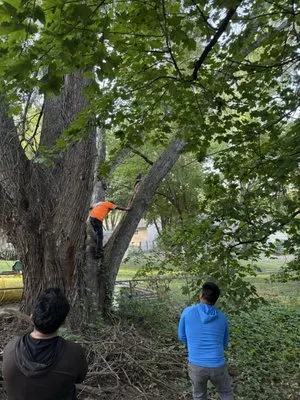
DTH Landscaping is a trusted local landscaping and tree service provider serving La Vista, NE, and surrounding areas. We specialize in comprehensive outdoor care, from routine lawn maintenance to comp...

Husker Horticulture
Husker Horticulture is a Bellevue-based landscaping company founded by Colton Pugh, a degreed horticulturist with a deep-rooted passion for the outdoors. What began with early mornings on golf courses...
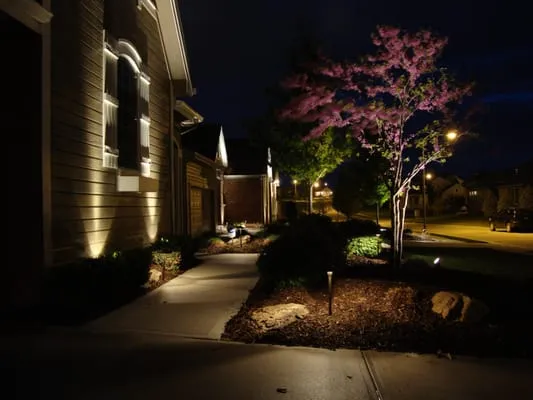
Urban Landscapes
Urban Landscapes began in 2008, founded by Chad after years of experience as a lead designer at a local Omaha nursery. His vision was to build a company dedicated to meticulous planning and exceptiona...
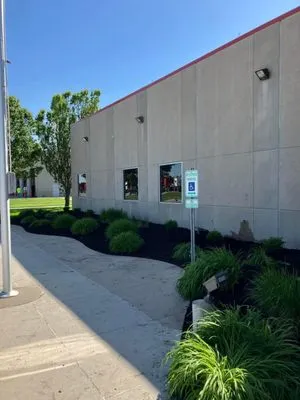
Grefe Landscaping in Arlington, NE, is a local landscaping company dedicated to transforming outdoor spaces to match each homeowner's personal style and lifestyle. We offer a full range of services, i...

Lion’s Pride Landscaping
Lion's Pride Landscaping is a dedicated, locally owned team in Omaha, NE, focused on transforming and maintaining outdoor spaces with reliability and deep-rooted care. We approach every lawn and garde...
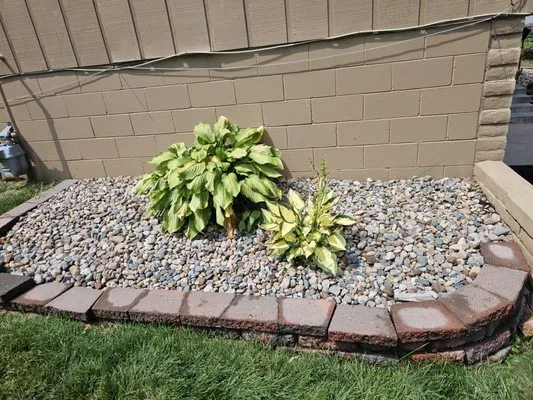
Light Em Up Construction has been a trusted provider for Omaha homeowners and businesses for over a decade. We focus on delivering quality, unique work that meets the specific needs of each customer. ...
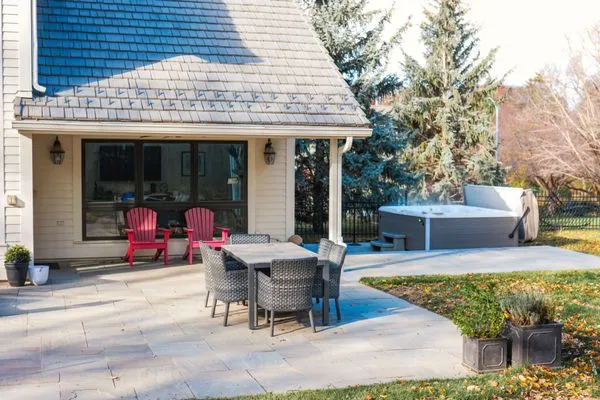
Ground Builders
Ground Builders serves the Waterloo community with professional landscaping and outdoor living solutions. We specialize in creating detailed 2D and 3D designs to help homeowners visualize projects lik...
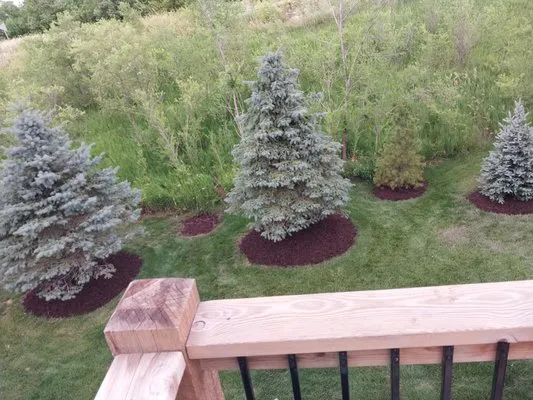
Founded by Mike in 1992, Yard Market began as a small lawn care operation called Grass Kickin' Lawns. Its reputation for reliable, high-quality work quickly grew, leading to steady expansion. By 2001,...
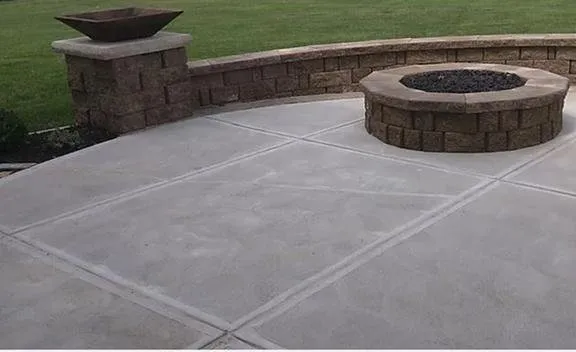
Kalo Landscaping is a trusted Omaha-based landscaping company with over 30 years of experience serving the local community. We specialize in comprehensive landscape design, construction, and maintenan...
Estimated Landscaping Service Costs in Fort Calhoun, NE
Frequently Asked Questions
Our Historic Downtown Fort Calhoun home was built in 1987. Why does our soil seem compacted and unproductive?
With 39 years of soil maturity since construction, Moody-Marshall Silty Clay Loam develops significant compaction layers from decades of foot traffic and equipment weight. This soil type's natural pH range of 6.8-7.2 becomes problematic when compaction reduces permeability below 0.5 inches per hour. Historic Downtown lots typically require core aeration every 2-3 years combined with organic amendments like composted leaf mold to restore soil structure and microbial activity.
Our Moody-Marshall soil creates seasonal runoff problems. What drainage solutions work best?
Moderate runoff in silty clay loam requires permeability enhancement through strategic grading and permeable hardscaping. Concrete pavers with open-cell designs or crushed limestone bases increase infiltration rates to 5-10 inches per hour, meeting Fort Calhoun Building and Planning Department runoff standards. French drains with clean washed gravel and geotextile fabric prevent silty sedimentation while directing water away from foundations.
We need emergency storm cleanup to meet HOA compliance deadlines. How quickly can your team respond?
Our electric maintenance fleet can dispatch from Fort Atkinson State Historical Park via US-75 within 25-35 minutes during peak response windows. This routing avoids downtown congestion while maintaining compliance with municipal quiet hours. We prioritize emergency cleanup with battery-powered equipment that operates below 65 decibels, ensuring rapid debris removal without noise ordinance violations.
What permits and licenses are needed for grading our 0.35-acre property?
Grading work on 0.35-acre lots requires Fort Calhoun Building and Planning Department permits for erosion control and drainage alterations. The Nebraska Department of Environment and Energy mandates licensed professionals for any excavation exceeding 100 cubic yards or affecting water flow patterns. Licensed contractors must demonstrate competency in sediment control measures and compliance with state nutrient management regulations, particularly for properties within the Missouri River watershed.
Can we reduce maintenance while preparing for stricter noise regulations?
Transitioning high-maintenance turf to native plantings like Purple Coneflower, Little Bluestem, Butterfly Milkweed, and Wild Bergamot creates resilient landscapes requiring minimal intervention. These species thrive in USDA Zone 5a with 80% less water than traditional turf, eliminating gas-powered equipment needs. This approach anticipates 2026 electric equipment mandates while providing year-round habitat for pollinators and reducing carbon emissions from maintenance fleets.
How do we maintain healthy turf during Stage 1 water restrictions?
Smart Wi-Fi weather-based controllers using ET (evapotranspiration) data automatically adjust irrigation to match plant needs while staying within voluntary conservation limits. These systems reduce Kentucky Bluegrass and Tall Fescue water use by 30-40% compared to traditional timers. Programming follows municipal water budgets while preserving turf health through targeted deep watering during optimal morning hours when evaporation losses are minimal.
Should we choose concrete pavers or wood for our patio in this fire-prone area?
Concrete pavers provide superior longevity and fire resistance compared to wood in Moderate Wildland-Urban Interface zones. Their non-combustible nature creates defensible space while withstanding freeze-thaw cycles in USDA Zone 5a. Crushed limestone bases beneath pavers maintain permeability for water management. This combination meets fire-wise rating requirements for material selection while providing 25+ year service life with minimal maintenance.
What invasive species threaten our landscape, and how do we treat them safely?
Japanese knotweed and garlic mustard present significant risks in Fort Calhoun's river-adjacent areas. Manual removal during early growth stages prevents seed dispersal without chemical intervention. For established infestations, targeted glyphosate applications follow Nebraska Department of Environment and Energy nutrient management protocols, avoiding runoff into the Missouri River watershed. Treatment timing respects local fertilizer ordinance blackout dates while preventing soil contamination.
