Top Landscaping Services in Elkhorn, NE, 68025 | Compare & Call
There are 202 landscaping companies server in Elkhorn NE

Breaking Ground in Valley, NE is a design/build landscape contractor that has been serving the community since 1998. With a focus on both residential and specialty commercial projects, they offer a fu...

Harper Lawn Care is a Veteran-owned and family-run lawn service business based in Omaha, Nebraska, established in 2007. Owner Jeff Harper, a native of Omaha and U.S. Air Force Veteran, brings his dedi...
Nebraska Grounds Management is a Veteran-owned landscaping business serving Omaha, NE, since 2015. As a locally owned and operated company, we bring a deep sense of pride and dedication to every proje...
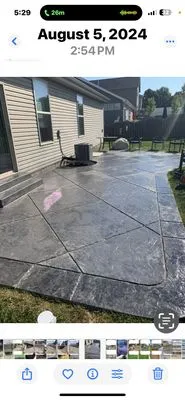
A Masterpiece Design in Omaha, NE is a locally owned and operated landscaping company that has been serving the community since 2000. With a horticulturist and landscape design degree, the team brings...
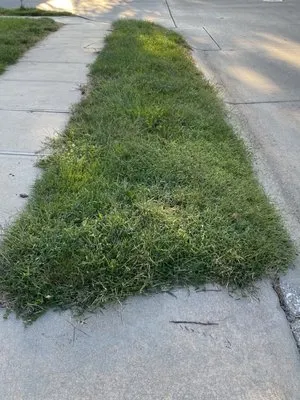
Elkhorn Lawn Care
Elkhorn Lawn Care has been a trusted name in Omaha's lawn care and landscaping scene since 2003. As a licensed and insured full-service company, we cater to both residential and commercial clients acr...
Lawn Masters is a trusted, full-service landscaping and tree care company serving Omaha, NE, and the surrounding communities. We specialize in creating and maintaining healthy, beautiful outdoor space...

Avad Lawn & Landscapes is a trusted Omaha-based landscaping company dedicated to enhancing residential properties with reliable, high-quality services. Specializing in lawn mowing, edging, seasonal cl...
Anderson Estate Design is a premier landscaping company serving Omaha, NE, specializing in creating and maintaining beautiful, durable outdoor spaces. We understand the local challenges homeowners fac...
Straight Edge Lawn Care brings over a decade of Omaha lawn care experience to every job. Founded by Joshua, who spent 10 years mastering the craft locally before starting his own company, this team op...
Peridot Lawns is a family-owned lawn and landscape service dedicated to serving Omaha, NE, and the surrounding communities. Founded on principles of reliability and personalized care, we specialize in...
Estimated Landscaping Service Costs in Elkhorn, NE
Q&A
How can I maintain healthy turf while following Elkhorn's water conservation guidelines?
Wi-Fi ET-based weather sensing irrigation systems automatically adjust watering schedules using real-time evapotranspiration data from local weather stations. These systems reduce water use by 20-30% compared to traditional timers while maintaining Kentucky Bluegrass and Tall Fescue blends at optimal soil moisture levels. During Stage 1 voluntary conservation periods, programming shifts to deeper, less frequent watering cycles that encourage root growth down to 6-8 inches. Monthly system audits check for distribution uniformity above 75% and pressure regulation between 30-50 PSI to prevent runoff on compacted clay soils.
What permits and licenses are required for significant grading work on a typical Elkhorn property?
Grading projects altering more than 50 cubic yards of soil on 0.28-acre lots require Omaha Planning Department permits with engineered drainage plans. Contractors must hold Nebraska Department of Agriculture landscaping licenses with bonding requirements for projects exceeding $5,000. Special certification is needed for work within 100 feet of protected waterways or when modifying existing drainage patterns. Professional licensing ensures proper slope calculations (maximum 3:1 ratios), erosion control implementation, and compliance with setback requirements from property lines. Unlicensed grading can trigger municipal enforcement actions and void property insurance coverage for drainage-related damage.
Why does my Elkhorn yard have such dense, slow-draining soil that resists water and nutrients?
Old Town Elkhorn properties built around 1986 have 40-year-old Moody Silty Clay Loam soil that has become compacted over decades. This soil type naturally has low permeability, and years of foot traffic and equipment use have reduced pore space, limiting water infiltration to 0.1-0.3 inches per hour. Core aeration with 3-4 inch depth penetration every fall, combined with 0.5 inches of compost topdressing, can increase organic matter from the current 2-3% to the ideal 5% range. Soil testing every 3 years will track pH stability in the 6.8-7.4 range while monitoring phosphorus levels under local ordinance restrictions.
What solutions address the standing water issues common in Elkhorn's clay-heavy yards?
Moderate runoff problems in Moody Silty Clay Loam require both surface and subsurface interventions. Permeable concrete pavers installed with 4-inch aggregate bases provide 80-90% permeability rates, meeting Omaha Planning Department runoff standards for 0.28-acre lots. French drains with 4-inch perforated pipe surrounded by washed gravel redirect subsurface water away from foundations. Grade corrections creating 2% slopes over 10-foot runs, combined with rain gardens using Big Bluestem and Switchgrass, can manage the first 1.5 inches of rainfall without municipal system overload.
Are permeable pavers better than wood decking for Elkhorn's climate and fire safety considerations?
Permeable concrete pavers offer 25-30 year lifespans versus wood's 10-15 years in Nebraska's freeze-thaw cycles. Their 80-90% permeability rates manage runoff better than impervious surfaces, crucial in Moderate Wildland-Urban Interface zones. For fire-wise defensible space, pavers provide non-combustible surfaces within 5 feet of structures, unlike wood decking that requires special fire-retardant treatments. Proper installation with geotextile fabric and angular aggregate bases prevents frost heave damage while maintaining drainage capacity through clay soil layers. Maintenance involves occasional joint sand replenishment rather than wood's staining or replacement cycles.
How quickly can you respond to emergency storm damage that violates HOA maintenance requirements?
Emergency cleanup crews dispatch from Ta-Ha-Zouka Park via US-275, reaching Old Town Elkhorn properties in 25-35 minutes during peak traffic conditions. Our electric maintenance fleet operates within standard 7AM-9PM noise ordinance limits while providing immediate debris removal and safety hazard mitigation. For HOA compliance issues, we prioritize same-day assessment with documentation of pre-existing conditions to avoid violation notices. Storm response protocols include chain saw certification and proper disposal of vegetative waste according to Nebraska Department of Agriculture guidelines.
How should I handle invasive species without violating fertilizer application restrictions?
Early detection of invasive species like Japanese knotweed or creeping bellflower requires manual removal before seed set, typically in late spring before mid-April mulching peak. Spot treatments using glyphosate alternatives like iron-based herbicides avoid phosphorus contamination risks under local ordinance. Soil testing determines actual deficiency before any fertilizer application, with nitrogen-only formulations preferred for established turf. Treatment timing avoids blackout dates around heavy rainfall periods when runoff risks increase in compacted clay soils. Regular monitoring prevents establishment while maintaining beneficial mycorrhizae networks.
What landscape changes will reduce maintenance while preparing for future electric equipment requirements?
Replacing 30-40% of traditional turf with native plantings like Purple Coneflower and Butterfly Milkweed creates biodiverse habitats that require minimal inputs. These deep-rooted perennials survive on natural rainfall once established, reducing irrigation needs by 50-60% compared to Kentucky Bluegrass. Transitioning to electric maintenance equipment now anticipates 2026-2027 noise ordinance revisions targeting gas-powered blowers. Native plant communities support pollinator populations while creating natural mulch through leaf litter decomposition, eliminating the need for annual bark mulch applications.
