Top Landscaping Services in Crete, NE, 68333 | Compare & Call
There are 73 landscaping companies server in Crete NE
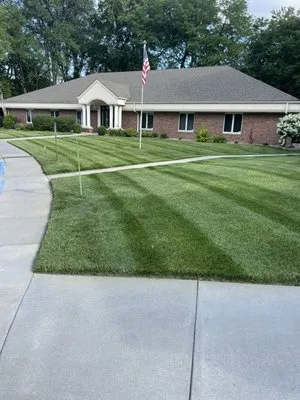
CJ’s Lawn and Landscape is a Lincoln-based company dedicated to keeping local properties healthy and beautiful year-round. We understand that many Lincoln homes face common landscaping challenges, suc...

All Scapes is a Lincoln-based lawn and landscape service specializing in creating and maintaining healthy, beautiful outdoor spaces for local homeowners. We understand the specific challenges of the N...

Heroes Lawn Care of Lincoln is a locally owned and licensed lawn service provider dedicated to maintaining the health and beauty of properties across Lincoln, NE. We offer a comprehensive suite of ser...
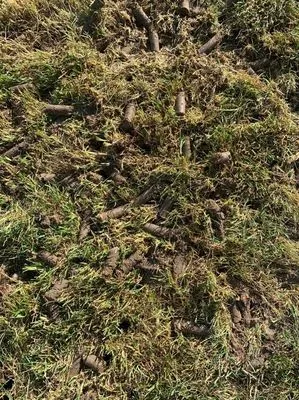
Whole Latta Lawn’s is a trusted, locally-owned lawn care company serving Lincoln, NE, and the surrounding areas. We specialize in comprehensive lawn maintenance to keep your property healthy and vibra...
Spider Lawn Care is your local, family-owned partner for enhancing your Lincoln home's exterior. Founded by Zach and Nathan, we're dedicated to bringing exceptional work to our community, from essenti...

Devor Painting is a full-service home improvement company serving Lincoln, NE, and surrounding areas. As a licensed and insured local business, we specialize in painting, drywall, and comprehensive la...
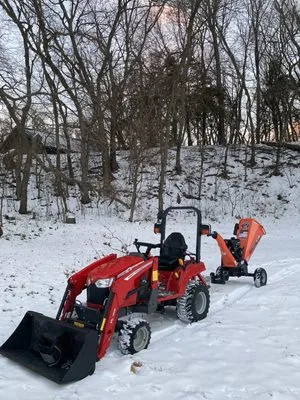
The Microgreen Nursery in Odell is your local partner for comprehensive lawn and tree care. We specialize in diagnosing and solving the specific landscaping challenges faced by homeowners in our area,...

Nebraska Lawn & Pest is a locally-owned pest control and lawn care company serving Lincoln, NE, and surrounding areas. We specialize in comprehensive pest management solutions for both residential and...
Mr Yards and More is a trusted, locally-owned landscaping company serving Lincoln, NE, specializing in comprehensive lawn care and reliable snow removal services. We understand the unique challenges L...

D.I.B Construction LLC is a licensed and insured company serving Nehawka, NE, specializing in comprehensive landscaping, demolition, and property maintenance. We provide reliable services including fe...
Estimated Landscaping Service Costs in Crete, NE
FAQs
How quickly can you respond to storm damage for HOA compliance?
Emergency cleanup crews dispatch from Crete City Park via NE-33, arriving in Downtown Crete within 15-20 minutes during peak conditions. This routing avoids residential bottlenecks while maintaining compliance with municipal noise ordinances (07:00-22:00). Teams prioritize safety assessments first, then debris removal using electric equipment to minimize neighborhood disruption while meeting most HOA 48-hour cleanup requirements.
What invasive species should I watch for in Crete?
Japanese knotweed and Canada thistle pose significant risks in USDA Zone 5a, exploiting disturbed soil in older neighborhoods. Treatment involves targeted glyphosate applications during active growth phases, avoiding statewide fertilizer ordinance blackout dates in spring and fall. Manual removal before seed set combined with pre-emergent corn gluten meal applications provides organic control. Always verify species identification through Nebraska Department of Agriculture resources before treatment.
How do smart irrigation systems work with Crete's voluntary water conservation?
Bluetooth-enabled soil moisture sensors measure actual ET rates and soil conditions, adjusting irrigation to deliver precise amounts only when needed. This preserves Kentucky Bluegrass and Tall Fescue health while reducing water use 20-40% compared to traditional timers. Systems automatically adapt to weather forecasts and municipal guidelines, ensuring compliance during dry periods without compromising turf density or color.
What permits and licenses are needed for landscape grading?
Grading work on 0.22-acre lots requires a Crete Building & Zoning Department permit for any elevation changes exceeding 6 inches or affecting drainage patterns. Contractors must hold Nebraska Department of Agriculture licensing for soil disturbance and erosion control. This ensures compliance with statewide nutrient runoff guidelines and proper engineering for Sharpsburg soil's expansion characteristics. Unpermitted grading can violate municipal codes and create liability for downstream water issues.
What solutions exist for seasonal ponding in my yard?
Moderate ponding in depressed topography results from Sharpsburg Silty Clay Loam's slow permeability. Installing French drains with clean gravel and replacing solid surfaces with permeable concrete pavers increases infiltration rates. These modifications meet Crete Building & Zoning Department runoff standards while directing water away from foundations. For severe cases, regrading with 2% slope and rain gardens using native plants provide additional capacity.
Are concrete pavers better than wood for patios in Crete?
Concrete pavers and crushed limestone offer superior longevity (30+ years versus wood's 10-15) with minimal maintenance. Their non-combustible nature supports Low to Moderate Fire Wise ratings by creating defensible space in urban interface zones. Unlike wood, they resist moisture damage from Sharpsburg soil conditions and won't warp or splinter. Properly installed with polymeric sand, they also reduce weed penetration and maintain level surfaces despite freeze-thaw cycles.
Why does my Downtown Crete lawn struggle despite regular care?
Properties built around 1974 have soil that has matured for over 50 years. Sharpsburg Silty Clay Loam in this area tends to compact over decades, reducing permeability and root penetration. Core aeration every 1-2 years with organic amendments like compost addresses this by improving soil structure and microbial activity. Without intervention, water infiltration decreases, leading to stressed turf and increased runoff during heavy rains.
Should I replace some lawn with native plants?
Transitioning high-maintenance turf areas to Big Bluestem, Butterfly Milkweed, Pale Purple Coneflower, and Switchgrass reduces mowing frequency and irrigation demands by 60-80%. This approach anticipates stricter noise ordinances limiting gas-powered equipment and supports 2026 biodiversity targets. Native plantings establish deep root systems that improve soil structure and require no fertilization, aligning with statewide nutrient runoff guidelines.
