Top Landscaping Services in Columbus, NE, 68601 | Compare & Call
There are 25 landscaping companies server in Columbus NE
Edgar Lawn is a trusted lawn care provider serving Columbus, NE, dedicated to keeping local lawns healthy and vibrant. We specialize in comprehensive lawn care services, including mowing, fertilizatio...
Take Care of You Lawn in Columbus, NE is a locally owned lawn service dedicated to providing reliable and efficient care for your outdoor space. We focus on delivering quality work at affordable price...
Molinas Construction is a trusted local contractor in Columbus, NE, specializing in painting, siding, and landscaping services to enhance and protect your home. We understand that Columbus homeowners ...
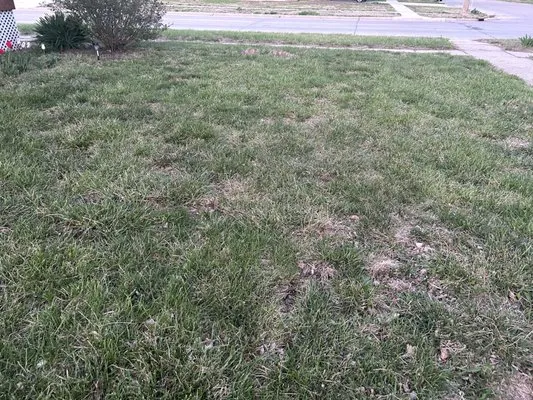
Mueller Sod Farm is a locally-owned Columbus resource dedicated to providing high-quality turf and expert advice for a healthier lawn. Many homeowners in the area struggle with patchy, thin grass and ...

LCS is a trusted lawn care service provider based in Clarks, NE, dedicated to helping local homeowners maintain beautiful, healthy lawns. We specialize in comprehensive lawn care solutions that direct...
Estimated Landscaping Service Costs in Columbus, NE
Q&A
With voluntary water conservation, how do we keep our lawn healthy through the summer?
Stage 0 voluntary conservation in Columbus still demands efficient water use. A smart Wi-Fi ET-based irrigation system calculates precise evapotranspiration rates, applying water only when and where your Kentucky Bluegrass/Tall Fescue blend needs it. This technology prevents overwatering, maintains turf health, and keeps usage well within municipal guidelines, adapting to daily weather shifts automatically.
Do we need a permit to regrade our backyard for better drainage?
Regrading a 0.22-acre lot often requires a permit from the Columbus Building & Zoning Department, especially if it alters water flow to adjacent properties. Furthermore, significant earthwork should be performed by a contractor licensed by the Nebraska Department of Environment and Energy, as it involves soil disturbance and potential stormwater management compliance.
How quickly can a crew respond for an emergency cleanup after a major storm?
For urgent HOA compliance or storm debris removal, our electric service fleet can dispatch from operations near Pawnee Park. Using US-81, we navigate peak traffic to reach most Quail Run addresses within the 20-30 minute target window. This efficient routing is part of our standard protocol for time-sensitive landscape emergencies.
Our yard gets soggy patches every spring. What's a long-term solution?
Seasonal saturation is typical in silty clay soils common here. The solution involves improving subsurface drainage through strategic grading and channeling, coupled with replacing non-permeable surfaces. Using permeable concrete pavers or open-joint limestone for patios and walkways increases ground absorption, helping manage moderate runoff and often meeting Columbus Building & Zoning Department's updated stormwater standards.
Our yard seems compacted and won't drain well. Is this common in Quail Run?
Properties built around 1972 in Columbus have soils with over 50 years of maturation. Typic Hapludolls in this area are naturally fertile but develop hardpan layers from decades of standard lawn care, reducing permeability. Core aeration combined with incorporating compost is critical to break up compaction and reintroduce organic matter, improving soil structure for better root growth and water infiltration.
Is there a lower-maintenance alternative to our high-input lawn?
Transitioning sections of turf to a planting of native species like Big Bluestem, Butterfly Milkweed, and Prairie Dropseed significantly reduces water, mowing, and chemical inputs. These deep-rooted plants are adapted to Zone 4b and support local biodiversity. This shift also future-proofs your property against evolving noise ordinances that restrict gas-powered blowers and mowers.
Are concrete pavers a better long-term choice than wood for a new patio?
For durability and longevity in Nebraska's climate, concrete pavers or limestone outperform wood. They resist frost heave, do not rot, and require minimal maintenance. In a Moderate Fire Wise rated zone, these non-combustible materials also contribute to defensible space by creating a break in flammable vegetation, aligning with recommended WUI mitigation strategies.
We've spotted what looks like invasive bindweed. How should we handle it?
Early identification and treatment of invasive species like bindweed or creeping bellflower is crucial. Manual removal combined with targeted, EPA-approved herbicides applied during active growth phases can be effective. All treatments follow Nebraska's Best Management Practices and respect any local fertilizer ordinance blackout dates to protect watershed health.
