Top Landscaping Services in Battle Creek, NE, 68715 | Compare & Call
There are 94 landscaping companies server in Battle Creek NE
The Grass Whisperer is your trusted, local lawn care expert in Hadar, NE. We understand the specific challenges many homeowners face here, from sprinkler leaks that waste water and damage grass to ove...
Bruening Landscapes & Turf Management
Bruening Landscapes & Turf Management is a Norfolk-based landscaping and design firm dedicated to enhancing the beauty and health of local properties. We specialize in creating custom landscape design...
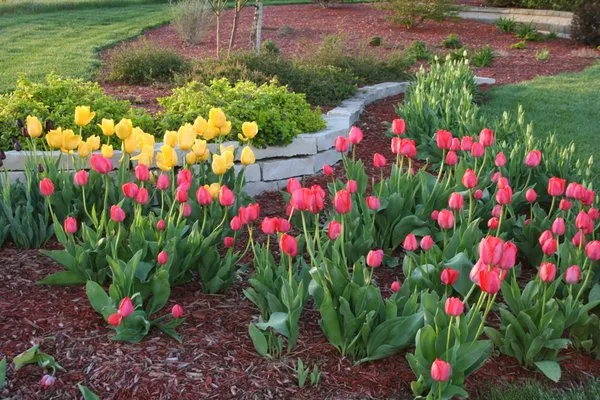
Country Nursery
Founded by Mike Lutt, a Nebraska Certified Nurseryman with a passion for the outdoors, Country Nursery has been a trusted landscaping partner in Northeast Nebraska for over three decades. Starting fro...
Olsen Mowing & Snow Removal is a trusted, locally-owned service provider based right in Hadar, NE. We help homeowners maintain their property's curb appeal and safety throughout the changing Nebraska ...

AO Landscaping is a trusted lawn care provider serving homeowners in Lindsay, NE. We specialize in comprehensive lawn care services designed to address common local landscaping challenges like landsca...
Wilson's Lawn & Tree
Wilson's Lawn & Tree is a trusted Norfolk-based provider dedicated to enhancing and maintaining the beauty and health of your outdoor space. We specialize in comprehensive landscape design, expert law...

Shearers Lawn Service is a locally owned and operated business based right in Spalding, Nebraska. As the sole owner, Nathan Shearer personally oversees every project, ensuring the work is done right a...
Hardscapes Plus is a trusted masonry, concrete, and landscaping company serving Columbus, NE, and the surrounding areas. We specialize in creating durable, functional, and beautiful outdoor spaces tha...
Cerny Landscaping is a locally owned and operated landscaping company serving Columbus and the surrounding areas. We understand the specific challenges Columbus homeowners face, such as lawn damage ca...
Logan's Lawns is a trusted local service in Columbus, NE, specializing in gardening, landscape maintenance, and snow removal. We understand the common challenges Columbus residents face, such as persi...
Estimated Landscaping Service Costs in Battle Creek, NE
Frequently Asked Questions
Why does my lawn in the North Main Residential District have such poor drainage and compaction issues?
Battle Creek's North Main Residential District lots average 55 years of development since 1971, resulting in mature silty clay loam soil with reduced permeability. This soil type naturally compacts over decades, restricting water infiltration and root growth. Core aeration with organic amendments like composted leaf mold improves soil structure by increasing pore space. Regular soil testing every 2-3 years monitors pH levels, which typically range from 7.2 to 7.5 in this neighborhood.
Can I maintain Kentucky Bluegrass and Tall Fescue turf while following Battle Creek's water conservation guidelines?
Wi-Fi ET-based weather sensing controllers optimize irrigation by calculating actual evapotranspiration rates for your specific microclimate. These systems automatically adjust watering schedules based on real-time weather data, reducing water use by 20-30% compared to traditional timers. During Stage 0 voluntary conservation periods, they maintain turf health while staying well below municipal water limits. Properly calibrated systems deliver 1-1.5 inches weekly during peak growing seasons.
What solutions address moderate runoff and seasonal high water tables in Battle Creek's clay-heavy soils?
Silty clay loam's low permeability requires integrated drainage solutions starting with French drains or dry wells to intercept subsurface water. Permeable concrete pavers and crushed limestone hardscapes meet Battle Creek Planning Commission runoff standards by allowing 4-8 inches per hour infiltration. Grading adjustments directing water away from foundations complement these systems. For severe cases, subsurface drainage tiles connected to proper outlets resolve persistent water table issues.
What invasive species threaten Battle Creek landscapes and how should they be managed safely?
Japanese knotweed and creeping bellflower present significant invasion risks in Zone 4b, spreading rapidly through silty clay loam soils. Mechanical removal before seed set combined with targeted herbicide applications during active growth phases proves most effective. All treatments follow Nebraska Department of Environment and Energy Best Management Practices, avoiding frozen ground application periods. Regular monitoring of property edges near wildland-urban interfaces prevents reestablishment while maintaining soil health.
How can I reduce maintenance while preparing for future electric equipment requirements?
Transitioning high-maintenance turf areas to native plantings like Little Bluestem, Purple Coneflower, and Butterfly Milkweed creates resilient landscapes requiring minimal intervention. These deep-rooted species improve soil structure while supporting local pollinators, aligning with 2026 biodiversity standards. Electric maintenance equipment operates effectively within Battle Creek's quiet hours, eliminating gas-blower restrictions. This approach reduces mowing frequency from weekly to seasonal while cutting water use by 60-80%.
How quickly can you respond to an emergency tree cleanup after a storm to meet HOA compliance deadlines?
Emergency storm response from Battle Creek City Park via NE-121 typically requires 20-30 minutes during peak conditions. Our electric maintenance fleet operates within municipal quiet hours from 7:00 AM to 9:00 PM, allowing immediate deployment without noise ordinance violations. We prioritize safety assessments before debris removal, documenting all work for HOA compliance verification. This routing minimizes disruption while ensuring timely property restoration.
Are concrete pavers or wood decking better for longevity in Battle Creek's climate with fire safety considerations?
Concrete pavers and crushed limestone offer superior durability in Zone 4b's freeze-thaw cycles, lasting 25+ years versus wood's 10-15 year lifespan. These non-combustible materials contribute to defensible space in Moderate Wildland-Urban Interface zones, reducing fire spread potential. Properly installed with geotextile fabric and compacted base layers, they withstand seasonal ground movement. Their thermal mass also moderates microclimate temperatures around structures more effectively than wood alternatives.
What permits and licenses are required for regrading my 0.25-acre property in Battle Creek?
Grading projects exceeding 100 cubic yards of earth movement require Battle Creek Planning Commission approval with engineered drainage plans. The Nebraska Department of Environment and Energy mandates licensed professionals for any work affecting water quality or soil stability on lots this size. Contractors must demonstrate proper erosion control measures during construction. These regulations ensure compliance with municipal runoff standards and prevent downstream sedimentation issues in the watershed.
