Top Landscaping Services in Auburn, NE, 68305 | Compare & Call
There are 119 landscaping companies server in Auburn NE
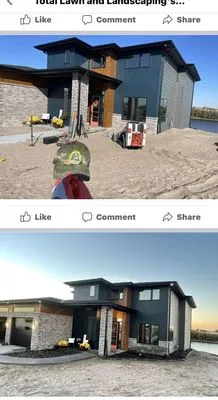
Total Lawn and Landscaping
Total Lawn and Landscaping has been Omaha's trusted landscaping partner for over 15 years, serving homeowners throughout the metro area and surrounding communities. As a full-service landscaping compa...
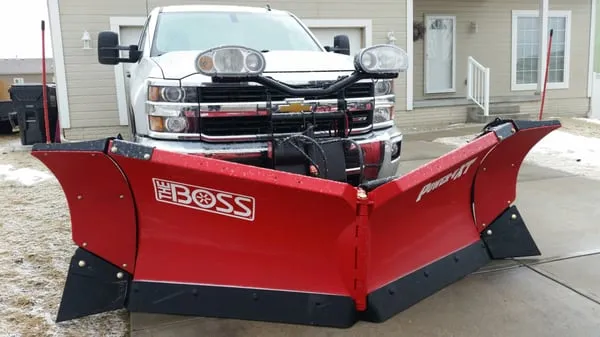
Ground Effects Lawn & Landscape
Founded in 2005, Ground Effects Lawn & Landscape began as a one-person operation fueled by a passion for outdoor work and a desire to serve the Omaha community. Starting with a single mower and a comm...
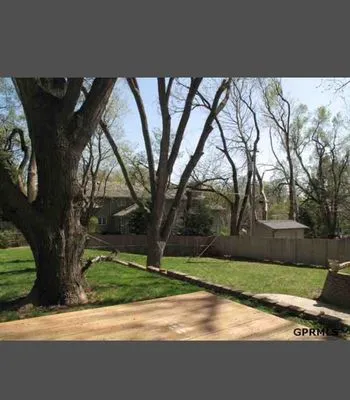
For over a decade, Fermincho Tree Service and Landscaping has been the trusted local choice for Omaha homeowners. Owner Fermin and his team bring a hands-on, reliable approach to every job, from routi...

J.W. Metz Co. in Omaha, NE is a full-service landscaping and tree care company dedicated to transforming outdoor spaces for local homeowners. With expertise ranging from earthmoving and hardscaping to...
Heartland Lawns is a family-owned lawn care and landscaping business serving Omaha, Nebraska, since 1990. Founded by Nebraska native Dan Setlak, the company combines local expertise with a commitment ...

Patera Landscaping is a family-owned and operated Omaha institution with nearly 20 years of dedicated service to the local community. The company is built on a foundation of hard work, clear communica...
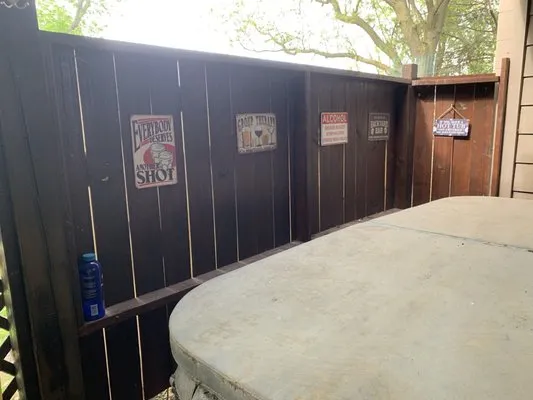
English Enterprise Carpentry brings over 20 years of combined experience in construction, landscaping, and carpentry to Omaha. Founded by a local contractor who learned the trade from family while wor...
Trees, Shrubs & More has been a trusted Bellevue nursery and landscaping partner since 1985. Starting when Cornhusker Road was still unpaved, we've grown alongside our community, expanding from a smal...
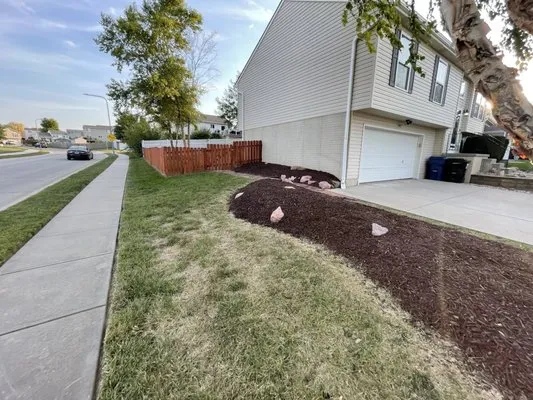
Flores Landscaping is a trusted Omaha-based company providing comprehensive outdoor solutions, including snow removal, landscaping, and gardening services. We specialize in addressing common local cha...

American Arborist is a family-owned, licensed, and insured tree service company serving Omaha and the surrounding communities. We provide comprehensive tree care, from routine trimming and pruning to ...
Estimated Landscaping Service Costs in Auburn, NE
Frequently Asked Questions
Why does my Auburn City Center yard have such compacted soil that won't drain properly?
Auburn's Sharpsburg Silty Clay Loam soil naturally compacts over time, and with neighborhood homes averaging 66 years old (2026 minus 1960 build year), decades of foot traffic and conventional maintenance have reduced permeability. This soil type has a pH range of 6.5-7.2, which supports turf but requires annual core aeration to alleviate compaction. Adding organic amendments like compost improves soil structure and water infiltration. Without intervention, clay-heavy compaction leads to poor root development and increased runoff during heavy rains.
How can I maintain healthy Kentucky Bluegrass and Tall Fescue turf while conserving water in Auburn?
Soil Moisture Sensor (SMS) integrated controllers optimize irrigation by delivering water only when soil moisture drops below optimal levels. Auburn currently operates under Stage 0 water restrictions, but proactive conservation extends turf health during dry periods. SMS technology reduces water use by 20-30% compared to traditional timer-based systems while maintaining turf density. This approach aligns with Nebraska's climate-adaptive standards and prevents overwatering that exacerbates clay soil compaction.
How quickly can you respond to an emergency tree cleanup or HOA violation notice in Auburn?
Our standard service response time is 15-20 minutes for Auburn City Center emergencies. We dispatch from Auburn City Park via US-75, which provides direct access to most residential areas. For HOA compliance issues like overgrown vegetation or debris removal, we prioritize same-day assessment. Electric maintenance equipment allows us to work during municipal quiet hours (10 PM-7 AM) when noise restrictions apply to gas-powered equipment.
What permits and licensing are required for grading work on my 0.22-acre Auburn property?
Grading that alters water flow patterns requires a permit from Nemaha County Planning & Zoning Department. The Nebraska Department of Agriculture licenses professionals who perform earthwork exceeding certain thresholds. On 0.22-acre lots, even modest grading can impact neighboring properties, necessitating professional oversight. Unlicensed grading risks fines and may void property insurance during drainage-related claims. Always verify contractor credentials through both agencies before beginning landscape modifications.
What solutions exist for moderate runoff problems in my Auburn yard with clay-heavy soil?
Sharpsburg Silty Clay Loam's low permeability creates runoff issues that require engineered solutions. Installing permeable concrete pavers or crushed limestone hardscapes increases surface infiltration by 40-60% compared to solid concrete. These materials meet Nemaha County Planning & Zoning Department runoff standards while providing functional surfaces. For severe cases, French drains or dry creek beds redirect water flow. Always test soil percolation rates before designing drainage systems.
How do concrete pavers and crushed limestone compare to wood for Auburn hardscape projects?
Concrete pavers and crushed limestone offer superior longevity to wood, with 25-30 year lifespans versus wood's 10-15 years in Nebraska's climate. These materials maintain structural integrity through freeze-thaw cycles common in USDA Zone 5b. For Auburn's low Fire Wise rating, non-combustible hardscapes create defensible space without contributing to fire risk. Permeable installation methods reduce heat island effect and improve drainage compared to solid surfaces. Material selection should balance aesthetic goals with long-term maintenance requirements.
What invasive species should Auburn homeowners monitor, and how should they be treated safely?
Common invasive alerts include Japanese knotweed, Canada thistle, and musk thistle, which thrive in Nebraska's Zone 5b climate. Treatment requires careful timing to avoid Nebraska's fertilizer ordinance restrictions against applications on frozen ground. Mechanical removal combined with targeted herbicide applications during active growth periods proves most effective. Always verify treatment dates with the Nebraska Department of Agriculture guidelines. Prevent reinfestation through consistent monitoring and maintaining healthy native plant competition.
What are the benefits of replacing high-maintenance turf with native plants in Auburn?
Transitioning to Purple Coneflower, Little Bluestem, Butterfly Milkweed, and Wild Bergamot reduces mowing frequency from weekly to seasonal maintenance. Native plantings require 75% less water than conventional turf and support local pollinator populations. This approach minimizes gas-powered equipment use, aligning with Auburn's noise ordinance trends toward electric alternatives. Established native landscapes also improve soil health through deeper root systems that break up clay compaction naturally.
