Top Landscaping Services in Ashland, NE, 68003 | Compare & Call


For over two decades, Strode Excavating and Construction has been a trusted, family-owned provider serving the Ashland community. We combine extensive local experience with a hands-on approach to tack...

Eby Lawn Care is a family-owned and operated business that began as a small-town operation right here in Ashland, NE. We've grown by focusing on dependable, quality service for our community, extendin...
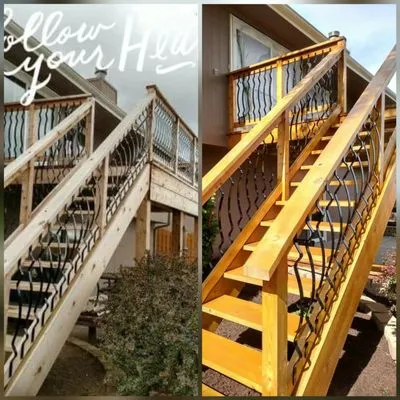
Lockhart's is a family-owned, Ashland-based business built on a foundation of hard work and craftsmanship. Founded by owner Travis Lockhart with a single push mower at age 15, the business has grown f...

Precision Outdoor Solutions
Precision Outdoor Solutions is a trusted landscaping and masonry company serving Ashland, NE, and surrounding areas. Specializing in landscape design, masonry, and concrete work, we help homeowners ta...
Smith-Scapes Landscaping is Ashland, NE's trusted partner for creating and maintaining beautiful, functional outdoor spaces. We understand the common local challenges like moss growth and bare patches...

NC Services is your trusted, year-round maintenance partner in Ashland, NE. We specialize in lawn care, snow removal, and window cleaning to address the specific challenges local homeowners face. Many...
Question Answers
I see a vine taking over my fence—is it invasive and how do I stop it?
A common invasive alert in our area is the aggressive vine, like Oriental Bittersweet. Manual removal of all roots is critical. For persistent regrowth, a targeted, systemic herbicide applied directly to the foliage in late summer can be effective. This spot-treatment method minimizes environmental impact and complies with Ashland's phosphorus-free fertilizer ordinance near waterways. Always check for specific blackout dates on herbicide applications to stay within local regulations.
Do I need a permit to regrade my backyard, and what licenses should my contractor have?
Regrading a 0.22-acre lot that alters water flow or involves significant earth moving typically requires a permit from the Ashland Building & Zoning Department. It is crucial your contractor holds appropriate licensing through the Nebraska Department of Environment and Energy, particularly for stormwater management. This ensures the work complies with state erosion control and water quality standards, protecting you from liability and preventing drainage issues for your or neighboring properties.
Why is our soil so compacted and what should I do about it?
With the average home in the Ashland Residential District built around 1977, your soil has experienced nearly 50 years of settling and compaction. Silty clay loam, our common soil type, has fine particles that naturally compact over time, reducing percolation and oxygen for roots. This is why core aeration is a foundational practice here. Amending with composted organic matter after aeration improves soil structure, increases microbial activity, and enhances water infiltration for healthier turf and plants.
I want to reduce mowing and gas equipment noise—what are my options?
Transitioning high-maintenance turf areas to a native plant palette is a forward-thinking solution. Species like Purple Coneflower, Little Bluestem, Butterfly Milkweed, and Wild Bergamot are adapted to Zone 5b, require no weekly mowing, and support local pollinators. This xeriscaping approach significantly reduces the need for gas-powered blowers and mowers, aligning with evolving noise ordinances and electric fleet trends while conserving water and enhancing biodiversity.
How can I keep my lawn green during Ashland's water conservation stage?
Ashland's Stage 1 voluntary conservation is managed effectively with smart, Wi-Fi ET-based irrigation. This system uses local weather data to apply water only when needed, matching evapotranspiration rates. For your Kentucky Bluegrass and Tall Fescue blend, this means deep, infrequent watering cycles that encourage drought-tolerant root growth while staying well within municipal guidelines. Properly calibrated, this technology can reduce water use by 20-30% without sacrificing turf health.
Are concrete pavers a better choice than wood for a new patio?
For longevity and low maintenance in Ashland's climate, inorganic materials like concrete pavers or crushed limestone outperform wood. They do not rot, warp, or attract pests. From a fire-wise perspective, these materials contribute to a defensible space by creating a non-combustible zone adjacent to your home, which is a prudent consideration even in our Low fire risk rating. Their permeability can also be engineered to manage runoff more effectively than solid concrete slabs.
My yard has seasonal ponding—what's a permanent solution?
Seasonal ponding in low areas is a frequent issue with our silty clay loam soil due to its moderate permeability. A graded French drain system, directing water away from foundations, is the most effective long-term fix. Complementing this with permeable hardscapes like crushed limestone or certain concrete pavers can further reduce runoff. These solutions often meet the Ashland Building & Zoning Department's standards for managing onsite stormwater on residential lots.
My HOA gave me a notice for overgrown grass—how fast can you get here for a compliance mow?
For an emergency HOA compliance service, our standard dispatch from the Stoner Drug Building area via US Highway 6 ensures a crew arrives within 20-30 minutes during peak hours. We prioritize these calls to address Kentucky Bluegrass and Tall Fescue blends that exceed ordinance height before the next inspection. This routing allows us to navigate the Ashland Residential District efficiently, with equipment ready for an immediate, precise cut to meet your deadline.
