Top Landscaping Services in Oakes, ND, 58474 | Compare & Call
There are 131 landscaping companies server in Oakes ND
Welk’s Lawn Care is a trusted, family-owned business dedicated to serving West Fargo, ND, and the surrounding area. For years, they have built a reputation for reliable and thorough property maintenan...
GrazinGreen Lawn & Landscaping Company is your trusted local expert for West Fargo yards. We understand the specific challenges homeowners face here, from overgrown shrubs that can block windows and p...

Becker Services is a West Fargo-based maintenance and repair business owned and operated by Eric Becker, who brings over 25 years of industry experience. Specializing in snow removal, lawn services, a...
Stanley's Lawn Care is your trusted Fargo, ND neighbor for year-round landscape health. We specialize in tackling the specific challenges of our Northern Plains climate, like spring lawn recovery from...

SCS-Fargo
SCS-Fargo is a licensed landscaping company that has been serving the Fargo-Moorhead community since 2009. We specialize in comprehensive landscape design and snow removal services for both residentia...
JD Lawn Service provides professional lawn care solutions for homeowners in Fargo, ND. Our services are specifically designed to address common local landscaping challenges, such as yard drainage prob...
Valley Environmental Technology is Fargo's trusted partner for vibrant, healthy landscapes. We specialize in professional gardening and comprehensive landscape maintenance, helping local homeowners an...
Scenic Landscaping
Scenic Landscaping has been enhancing outdoor spaces in West Fargo and the Fargo-Moorhead area since 2005. With expertise in horticulture, landscape design, and installation, we specialize in creating...
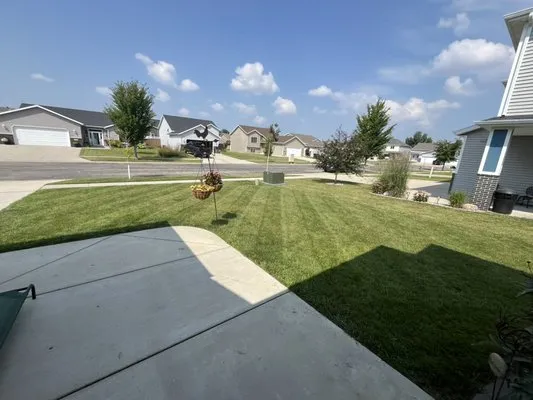
JDM Lawn Care is a Fargo-based lawn service provider with deep roots in the community. Owner John started mowing lawns in his neighborhood as a kid and has turned that passion into a dedicated busines...

Hey Fargo, I'm Terrick Hubbard, the owner of Snowy Terrain and Turf. I started this business with a simple goal: to provide reliable, high-quality work at a price that makes sense for our community. I...
Estimated Landscaping Service Costs in Oakes, ND
FAQs
Spring snowmelt causes standing water in our yard - what drainage solutions work with Oakes soil conditions?
Chernozem Silty Clay Loam has slow percolation rates that exacerbate spring saturation. Installing permeable crushed granite or concrete pavers with ¼-inch joints allows 3-5 inches per hour infiltration, meeting Oakes City Auditor's Office runoff standards. French drains with clean gravel backfill redirect water from foundations, while grading adjustments create 2% slopes away from structures. These interventions address the 4-6 week saturation period common after snowmelt.
Our Oakes neighborhood has older homes - what should I know about soil conditions before planting?
Homes built around 1968 have soil that has matured for approximately 58 years. In the Oakes Residential Core, Chernozem Silty Clay Loam develops natural compaction over decades, reducing permeability to 0.1-0.3 inches per hour. This soil requires core aeration every 2-3 years and organic amendments like composted manure to maintain the 7.2-7.6 pH range. Without intervention, water infiltration decreases by 40-60% compared to newly amended beds.
We need emergency storm cleanup to meet HOA requirements - how quickly can you respond?
Our electric maintenance fleet can dispatch from Oakes City Park within 15 minutes, traveling via ND-1/ND-11 to reach most Residential Core properties in 15-20 minutes. This complies with municipal quiet hours (10 PM-7 AM) while addressing immediate debris removal. We prioritize routes that avoid morning traffic peaks near the regional service hub for optimal response times.
How do we maintain Kentucky Bluegrass/Fine Fescue turf during dry periods without violating water restrictions?
Soil Moisture Sensor controllers optimize irrigation by measuring actual soil water content rather than using fixed schedules. These systems reduce water use 20-40% while maintaining turf health during voluntary conservation periods. Programming follows evapotranspiration rates specific to USDA Zone 4a, applying 1-1.5 inches weekly during peak demand. This approach preserves municipal water resources while preventing drought stress in grass blends.
What invasive species should Oakes homeowners watch for, and how do we treat them safely?
Leafy spurge and Canada thistle present the highest risk in this region, spreading through rhizomes and seed dispersal. Manual removal before seed set in early June prevents 90% of new growth. For established infestations, spot-treat with glyphosate formulations during active growth phases, avoiding phosphorus applications during state-mandated blackout periods. Always apply according to label directions and maintain 10-foot buffers from water features to prevent runoff contamination.
What permits and licensing are required for grading work on our quarter-acre property?
Grading that alters more than 100 cubic yards of soil requires a permit from the Oakes City Auditor's Office. Contractors must hold North Dakota Secretary of State licensing for earthwork exceeding 500 square feet on 0.25-acre lots. This ensures compliance with erosion control measures and proper drainage planning. Unlicensed grading can result in fines up to $5,000 and mandatory restoration at owner expense, particularly when affecting neighboring properties' water flow.
Should we use crushed granite or wood for our new patio considering Oakes' fire risk rating?
Crushed granite provides superior longevity with 25-30 year service life versus wood's 10-15 years in Zone 4a conditions. This non-combustible material supports Moderate Fire Wise ratings by creating defensible space around structures. Concrete pavers offer similar benefits with 0% flammability, while wood decks require chemical treatments that degrade in freeze-thaw cycles. Both mineral options maintain integrity during temperature extremes from -30°F to 100°F.
What are the benefits of replacing traditional turf with native plants in our landscape?
Transitioning to Prairie Dropseed, Purple Coneflower, Leadplant, Wild Bergamot, and Little Bluestem reduces maintenance by 70-80% compared to conventional turf. These species require no weekly mowing, align with emerging electric equipment mandates under noise ordinances, and support 2026 biodiversity standards. Native root systems extend 6-10 feet deep, accessing subsoil moisture and eliminating irrigation needs after establishment. This approach creates habitat for pollinators while reducing carbon emissions from maintenance equipment.
