Top Landscaping Services in Nedrose, ND, 58701 | Compare & Call
There are 46 landscaping companies server in Nedrose ND
St Claire Construction & Lawn Service
St Claire Construction & Lawn Service is a trusted Minot provider for comprehensive lawn and landscape care. We specialize in transforming local properties with services ranging from routine lawn mowi...
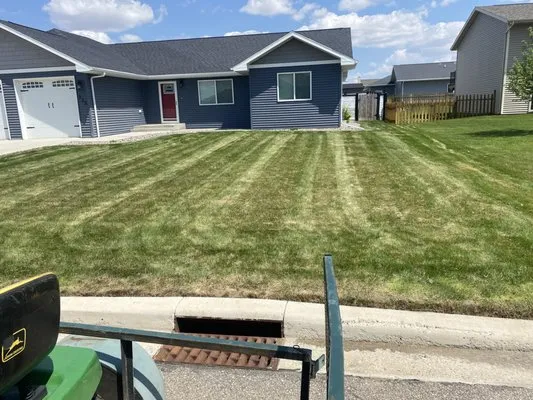
Dalbys Mowing Service is a trusted lawn care provider serving Surrey, ND, dedicated to helping local homeowners maintain healthy, attractive outdoor spaces. We specialize in comprehensive lawn care so...
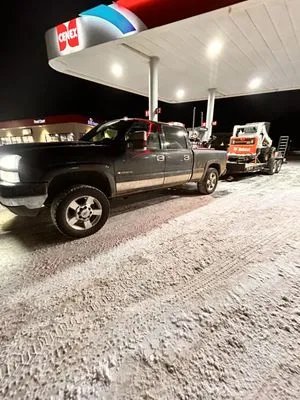
Arctic Lawn Care & Snow Removal is a trusted local provider in Minot, ND, offering comprehensive lawn care and snow removal services year-round. We specialize in addressing common local landscaping ch...
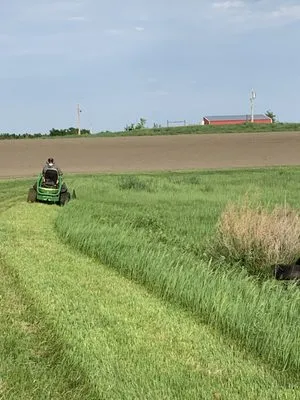
Four Seasons Lawn Care
Founded in 2023, Four Seasons Lawn Care brings over 15 years of combined industry experience to every job in Newburg. As a small, family-owned business, we built our reputation on reliability and clea...
CQ Lawn Care is a locally owned and operated lawn and tree service provider dedicated to serving the Minot, ND community. We understand the unique challenges of maintaining a beautiful landscape in ou...

JSM Lawn Care is a family-owned and operated Emmett business built on a foundation of community care and reliable service. Owner Josh's journey began in childhood, mowing lawns with his mom to channel...
Estimated Landscaping Service Costs in Nedrose, ND
Common Questions
We want a new patio. Is crushed granite or concrete better for our climate and fire safety?
Inorganic materials like crushed granite and concrete pavers are superior for longevity in Zone 3b, resisting frost-heave damage better than wood. They also contribute to a defensible space, a key consideration given the Low to Moderate Fire Wise rating in Nedrose's Wildland-Urban Interface. These non-combustible surfaces create a barrier against ground fire spread, enhancing property resilience while providing a stable, low-maintenance surface.
What are the biggest weed threats here, and how do we deal with them responsibly?
Invasive species like leafy spurge and Canada thistle are persistent alerts in this region. Management requires a consistent, integrated approach. Selective post-emergent herbicides applied during active growth phases are effective, but timing is critical to avoid state nutrient management blackout dates, which prohibit applications on frozen ground. For organic strategies, targeted manual removal and establishing dense native plant cover can suppress invaders.
Our yard soil seems heavy and compacted. Is this just how it is here, or is there a reason?
This soil profile is characteristic of the Nedrose Residential District. Lots with homes averaging from 1988 have silty clay loam soils that are now 38 years post-construction. This duration allows for significant subsoil compaction from equipment and foot traffic, reducing permeability. The alkaline pH of 7.5-8.2 further limits nutrient availability. Core aeration and incorporating composted organic matter are critical to rebuild soil structure and biological activity.
We want to regrade part of our yard. What permits or contractor qualifications should we look for?
Regrading a 0.35-acre lot often requires a permit from Ward County Planning and Zoning, especially if it alters water flow to adjacent properties. This work must be performed by a contractor licensed through the North Dakota Secretary of State. Proper licensing ensures the professional carries requisite insurance and understands state codes regarding erosion control and adherence to local fertilizer and soil disturbance ordinances.
We're tired of constant mowing and gas equipment noise. Are there lower-maintenance options?
Transitioning high-input turf areas to a native plant community is a forward-looking solution. Species like Little Bluestem, Purple Prairie Clover, and Blanket Flower are adapted to Zone 3b, requiring no irrigation once established and minimal, if any, mowing. This shift reduces dependency on gas-powered mowers and blowers, aligning with evolving noise ordinances and supporting local biodiversity far beyond a monoculture lawn.
We get a lot of standing water and ice sheets in spring. What's causing this and how do we fix it?
Seasonal frost heave and ponding result from the inherent poor subsurface drainage of silty clay loam soils. When frozen ground thaws, water cannot percolate downward. Solutions involve installing French drains or dry creek beds to intercept surface flow. Using permeable materials like crushed granite for patios or walkways can also reduce runoff, helping projects meet Ward County Planning and Zoning standards for stormwater management.
We have a major tree limb down after a storm and need emergency cleanup. How quickly can a crew arrive?
Emergency response for storm debris in the Nedrose area is prioritized. A crew dispatched from the City Hall vicinity would travel north via US-52 to reach residential districts. During peak operational hours, anticipate a 45 to 60 minute arrival window for initial assessment and safety mitigation. This timeframe accounts for navigating post-storm conditions while adhering to municipal quiet hours for equipment use.
How do we keep our Kentucky Bluegrass healthy without wasting water, especially if restrictions come back?
Utilizing smart Wi-Fi ET-based irrigation controllers is the standard for efficiency. These systems schedule watering based on real-time evapotranspiration data, applying water only when the turf requires it. This practice maintains the Kentucky Bluegrass while conserving significant water volume, creating a buffer should Stage 1 or 2 restrictions be enacted. Deep, infrequent watering cycles encourage deeper root growth, enhancing drought resilience.
