Top Landscaping Services in Devils Lake, ND, 58301 | Compare & Call

There are 29 landscaping companies server in Devils Lake ND
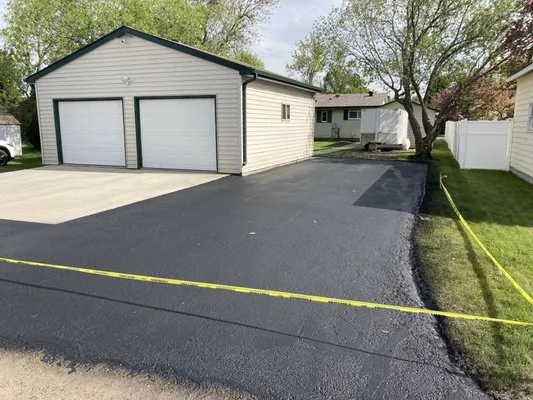
Seal Team 701 is a Fargo-based contractor specializing in asphalt preservation and landscaping services for both residential and commercial properties. We are a locally operated team known for our cle...

R&R Landscaping is a Grand Forks-based company serving both homeowners and businesses with a full spectrum of landscape and hardscape solutions. We combine landscape construction, masonry, and special...

Sunshine Lawn Care is a locally owned and operated business proudly serving Grand Forks, Fargo, and surrounding areas. With over 25 years of experience, we provide comprehensive lawn, tree, and snow s...
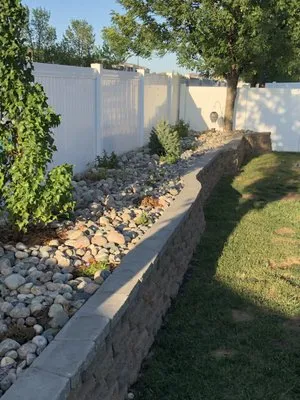
AM Landscaping is a Grand Forks-based company specializing in comprehensive landscaping and snow removal services for both residential and commercial properties. We handle everything from earthmoving ...

Weekend Warrior Lawn Care is an Active Duty Air Force veteran-owned and operated small business serving the GFAFB community in North Dakota. Founded on principles of passion, professionalism, and serv...
Riley's Landscape & Irrigation
Riley's Landscape & Irrigation is a Grand Forks-based company specializing in comprehensive landscape and irrigation solutions. We provide complete design, installation, and maintenance services for a...
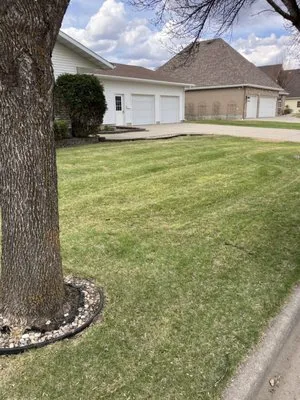
Walsh County Contracting is your trusted local lawn care expert in Grafton, ND. We understand that North Dakota's climate and soil can be tough on your property, leading to common local issues like ir...
Dirty Dan's Dirt and Lawncare is Underwood's trusted local expert for healthy, resilient lawns. We understand the unique challenges of North Dakota landscapes, especially the common issues of dying sh...
Jack the Lantern is Carrington's trusted local landscaping and garden care specialist. For years, we've helped homeowners protect and beautify their outdoor spaces, tackling the specific challenges of...
A & A Landscaping is a trusted local landscaping company serving Cooperstown, ND, and the surrounding area. We specialize in addressing common local landscaping challenges, such as irrigation timer fa...
Estimated Landscaping Service Costs in Devils Lake, ND
Common Questions
We're tired of constant mowing and blowing. Are there lower-maintenance options?
Transitioning high-input turf to a climate-adaptive xeriscape with native plants like Prairie Dropseed, Little Bluestem, and Purple Coneflower drastically reduces maintenance. These deep-rooted perennials require no mowing, minimal water once established, and support local biodiversity. This approach also future-proofs your property against potential gas-blower restrictions within the noise ordinance, moving toward quieter, electric-only maintenance.
We need an emergency cleanup after a storm to meet an HOA deadline. How fast can you get here?
For urgent compliance work, our standard service response from Devils Lake State Park via US Highway 2 is 15-20 minutes to the Lakeview District. We dispatch electric-powered equipment to comply with the 10 PM to 7 AM noise ordinance, ensuring rapid, quiet mobilization. This allows for immediate debris management and site stabilization to meet your deadline.
How do we keep our Kentucky Bluegrass green without wasting water or facing restrictions?
Smart-controller ET-based systems are essential. They adjust drip and spray output daily based on local evapotranspiration data, applying water only as needed. While Devils Lake is currently at Stage 0 for restrictions, this technology proactively conserves water by preventing over-irrigation, which is critical for the health of bluegrass in silty clay loam. It directly targets root zones, minimizing runoff and aligning with state nitrogen runoff prevention guidance.
Do we need a permit to regrade our backyard for better drainage?
Yes. Significant regrading on a 0.25-acre lot that alters water flow typically requires a permit from the Devils Lake City Building Department. Furthermore, this work must be performed by a contractor licensed through the North Dakota Secretary of State. Proper licensing ensures the contractor understands local codes related to drainage and runoff, protecting you from liability and ensuring the work meets municipal standards.
Spring snowmelt floods our patio area every year. What's a permanent solution?
High saturation is common due to the low permeability of silty clay loam. Installing a permeable base layer beneath hardscape, such as open-graded aggregate under crushed granite or concrete pavers, creates an infiltration basin. This system manages runoff on-site, meeting Devils Lake City Building Department standards for drainage. For severe cases, integrating a French drain system that directs water away from the foundation is often necessary.
Our lawn seems compacted and water just sits there. Is this a problem with the soil itself?
Lots in the Lakeview District, developed around 1976, have soils approximately 50 years in age. The native silty clay loam has low permeability, and decades of standard maintenance without core aeration have likely depleted organic matter and increased compaction. This explains the poor internal drainage and water pooling you observe. Amending with compost and establishing a deep-rooted plant community can rebuild soil structure over time.
We're adding a patio. Is crushed granite or concrete better for our area?
Both crushed granite and concrete pavers are superior to wood for longevity in Zone 4a. Crushed granite, when properly stabilized, offers excellent permeability to mitigate snowmelt runoff. Concrete pavers provide a more formal surface and can also be installed with permeable joints. For properties with a Moderate Fire Wise rating, non-combustible hardscape materials contribute directly to creating the required defensible space.
What invasive species should we watch for, and how do we control them safely?
Leafy spurge and Canada thistle are prevalent invasive alerts in this region. Manual removal for small infestations and targeted, systemic herbicide applications in fall are most effective. All treatments must carefully follow state guidance for nitrogen runoff prevention, avoiding application near water bodies or before forecasted rain. Promoting dense growth of native plants is the best long-term defense against invasion.
