Top Landscaping Services in Bismarck, ND, 58501 | Compare & Call

T&J Outdoor Services is a local Bismarck landscaping company dedicated to solving the common outdoor problems faced by homeowners in the area. We specialize in comprehensive lawn care and landscape ma...
Bismarck Landscaping & Svc is a locally owned and operated full-service landscaping company serving the Bismarck-Mandan metro region. We provide comprehensive services including landscape design, cons...
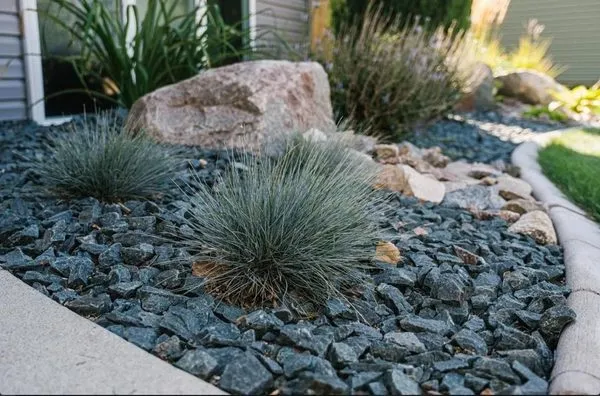
CityScapes Landscaping
CityScapes Landscaping began as Schwieters Services, a local Bismarck lawn care company, back in 2008. Our passion quickly grew from basic maintenance to crafting complete outdoor environments. We bel...
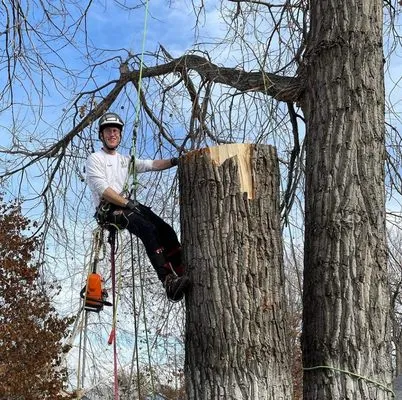
Green Planet Solutions is a licensed and insured tree care and landscaping company serving the Bismarck and Mandan communities. As a small, locally-owned firm, we intentionally focus on a limited numb...

Goldade Landscaping is a Bismarck-based company founded to deliver comprehensive landscaping solutions for both residential and commercial properties. With a full team of professionals, we specialize ...
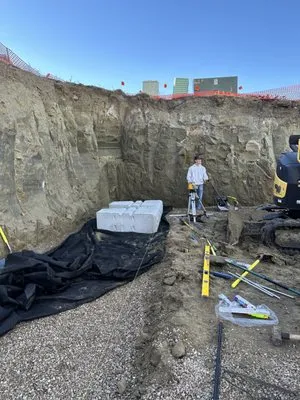
IG Lawn & Landscape is a locally owned and operated business serving the Bismarck-Mandan community. Founded by high school student and young entrepreneur Isaac Grendahl, we bring dedicated time and ef...
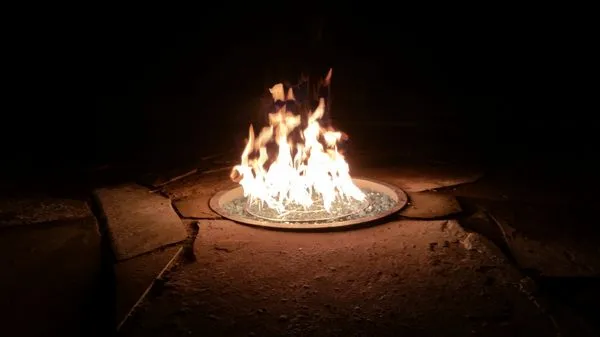
Cutting Edge Yard Art is a full-service landscaping and construction company serving Bismarck, ND. We specialize in transforming outdoor spaces with comprehensive services including 3D landscape desig...
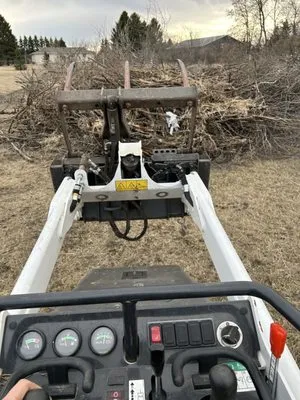
For over a decade, B&L Lawn Care has been the go-to, year-round property maintenance provider for Bismarck residents. We understand the unique challenges of North Dakota's climate, from intense summer...
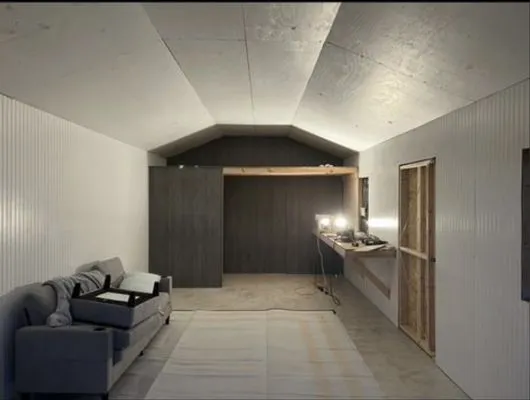
Bismarck's Best Handyman is a locally owned and operated service provider in Bismarck, ND, specializing in comprehensive handyman solutions, snow removal, and landscaping. With a focus on quality craf...

BisMan Outdoor Services
Serving the Bismarck community for over 13 years, BisMan Outdoor Services is a locally-owned and operated company dedicated to enhancing and protecting your property through every season. We specializ...
Question Answers
How can I keep my Kentucky Bluegrass healthy without wasting water or violating future city restrictions?
Smart Wi-Fi ET-based irrigation controllers are the standard for efficient water use in Bismarck. These systems automatically adjust watering schedules by using local weather data to calculate evapotranspiration (ET), applying only the precise amount of water the grass has lost. This technology is critical for maintaining Kentucky Bluegrass within municipal water budgets, even during Stage 0 restrictions, by preventing overwatering. Properly calibrated, an ET controller can reduce seasonal water use by 20-30% while promoting deeper root growth and overall turf resilience.
Do I need a permit or licensed professional to regrade part of my 0.25-acre lot?
Yes, significant regrading on a 0.25-acre lot typically requires a permit from the Bismarck Community Development Department to ensure proper stormwater management and adherence to zoning setbacks. Furthermore, the design of engineered grading plans that alter drainage patterns must be sealed by a professional licensed by the North Dakota State Board of Landscape Architects or a qualified civil engineer. This licensing ensures the work complies with state standards, protects adjacent properties from runoff damage, and integrates correctly with existing municipal infrastructure.
My yard floods every spring from snowmelt. What's a durable solution that also manages runoff?
High spring snowmelt runoff is a common challenge on Bismarck's silt loam soils due to their naturally slow percolation rates. Installing a permeable base system beneath concrete pavers or local granite creates a subsurface reservoir that allows water to infiltrate slowly into the ground, mitigating surface flooding. This approach directly addresses the Bismarck Community Development Department's stormwater management standards by reducing peak runoff rates. For severe cases, integrating a French drain or dry creek bed with these permeable hardscapes provides a comprehensive and landscape-integrated drainage solution.
I want to reduce mowing and gas-powered maintenance. What are my best plant options?
Transitioning to a climate-adaptive landscape using native species like Purple Prairie Clover, Little Bluestem, Leadplant, and Pasqueflower significantly reduces maintenance inputs. These deep-rooted plants are evolved for the USDA Zone 4a climate and silt loam soils, requiring no supplemental irrigation once established and no weekly mowing. This shift away from high-maintenance turf also aligns with the city's move toward quieter, electric maintenance fleets to comply with noise ordinances. The resulting habitat supports local pollinators and contributes to 2026 biodiversity goals for the region.
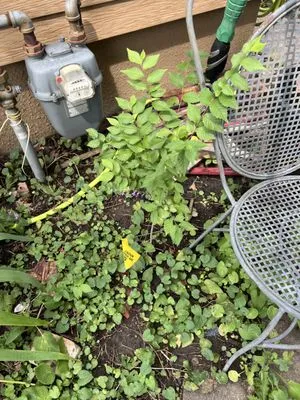
I've spotted what looks like invasive Creeping Bellflower. How do I handle it safely?
Creeping Bellflower is a persistent invasive with a deep taproot that requires targeted management. Manual removal is often ineffective, as small root fragments can regenerate. A selective, systemic herbicide applied directly to the foliage in late spring or early fall, when the plant is actively transporting nutrients to the roots, is the most effective control. Any treatment must strictly follow the North Dakota Century Code nutrient management guidelines, which may include blackout dates for certain applications to protect water quality. Consistent monitoring for three seasons is typically required for complete eradication.
My Highland Acres lawn seems thin and compacted. What's the underlying issue with our soil?
Bismarck's Highland Acres neighborhood was largely developed around 1985, giving its silt loam soils roughly 40 years of maturation under standard turf management. This extended period of foot traffic, mowing, and minimal organic input has significantly reduced soil permeability and depleted the natural organic matter crucial for root development. The native pH of 7.2-8.0 is already alkaline, and compaction further inhibits water infiltration, exacerbating spring runoff problems. A core aeration program combined with top-dressing using composted organic matter is essential to rebuild soil structure and biological activity for long-term turf health.
Are concrete pavers or pressure-treated wood better for a new patio in our ravine-adjacent lot?
For durability and fire resilience in Bismarck's Moderate Fire Wise zones, concrete pavers or local granite are superior to wood. These non-combustible materials contribute to the required defensible space in ravine areas, where ember intrusion is a primary risk. While pressure-treated wood requires regular sealing and eventual replacement, quality pavers set on a proper base have a lifespan exceeding 30 years with minimal maintenance. The thermal mass of stone or concrete also moderates temperature swings, creating a more comfortable microclimate than wood decking.
A severe storm just knocked down a large branch. How quickly can a crew arrive for emergency cleanup in Highland Acres?
Emergency storm response crews can typically mobilize within 30 minutes during peak events. For Highland Acres, the primary dispatch route originates from our central yard near the North Dakota State Capitol, proceeding east on I-94 to the 40th Avenue exit. This optimized corridor allows for an arrival window of 20-30 minutes, even with post-storm traffic, ensuring prompt removal of safety hazards. All equipment for such responses, including electric chippers, complies with the city's noise ordinance restricting operation between 10:00 PM and 7:00 AM.
