Top Landscaping Services in Belcourt, ND, 58316 | Compare & Call
There are 19 landscaping companies server in Belcourt ND
Dakota Lawn & Tree Spraying is your local, Rugby-based partner for a healthy, resilient landscape. We specialize in comprehensive lawn care and expert tree services tailored to the unique challenges o...
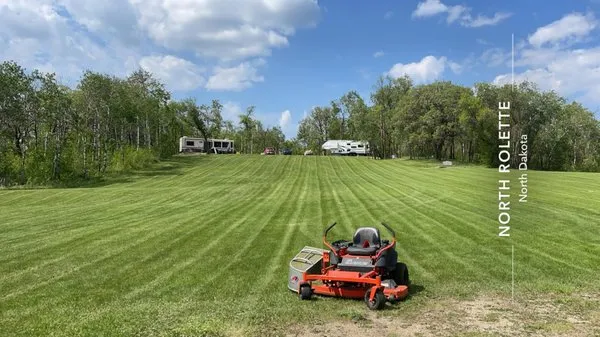
Yard Guys is a trusted lawn and tree service provider serving Belcourt, ND, and the surrounding area. We specialize in comprehensive lawn care, tree planting, pruning, trimming, and expert tree care s...

Triple J Excavation is a trusted local contractor in Saint John, ND, specializing in excavation, trench digging, and comprehensive dirt work services. We handle everything from utility installations a...
J & M Home & Lawn Service
J & M Home & Lawn Service is a trusted local contractor in Rolette, ND, specializing in both lawn care and drywall services. We help homeowners address common landscaping issues like landscape edging ...

Lake Metigoshe Landscaping is a full-service contractor serving the Bottineau, ND area. We specialize in everything from initial design and earthmoving to final construction and ongoing maintenance, c...

Juarez Enterprises is Minot's trusted partner for junk removal, snow removal, and comprehensive lawn care. We understand the local challenges homeowners face with landscaping, like dead lawn areas and...
Call One Landscaping is a trusted local landscaping company serving the Velva, ND community. We specialize in practical, long-lasting solutions for common area yard problems, particularly tackling per...

Four Seasons Lawn Care
Founded in 2023, Four Seasons Lawn Care brings over 15 years of combined industry experience to every job in Newburg. As a small, family-owned business, we built our reputation on reliability and clea...
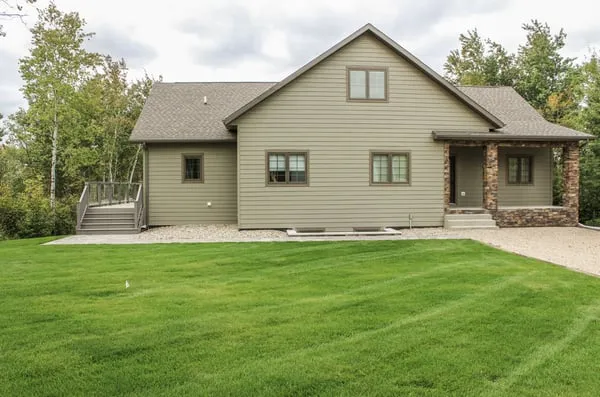
Bartlett Yardworks began in 2007 with a simple act of helping a neighbor near Lake Metigoshe, growing organically through word-of-mouth. Founded by David, the company was officially launched in 2013, ...
Estimated Landscaping Service Costs in Belcourt, ND
Question Answers
Do we need a permit to regrade our backyard, and what type of contractor should we hire?
Any significant regrading on a 0.35-acre lot that alters water flow or involves cut/fill exceeding 18 inches typically requires review by the Turtle Mountain Band of Chippewa Planning Department. The work must be designed or supervised by a professional licensed by the North Dakota State Board of Registration for Professional Engineers and Land Surveyors. This ensures the grading plan adheres to local erosion control and runoff management standards, protecting both your property and downstream neighbors from drainage issues.
We want to reduce mowing and gas equipment use. What are the best native plants for a low-maintenance yard?
Transitioning to a climate-adaptive xeriscape with regionally native species significantly reduces maintenance inputs. A layered planting of Little Bluestem, Prairie Dropseed, Purple Coneflower, Wild Bergamot, and Pasqueflower establishes a resilient, self-sustaining ecosystem. This planting strategy eliminates weekly mowing, minimizes irrigation needs once established, and aligns with the shift toward quieter, electric maintenance fleets. It also enhances biodiversity, providing critical habitat and supporting 2026 ecological landscape standards.
How do we keep our Kentucky Bluegrass lawn healthy without wasting water under standard conservation rules?
Effective irrigation in Zone 3b hinges on precise scheduling aligned with evapotranspiration (ET) rates, not a fixed calendar. Smart Wi-Fi soil moisture sensor controllers prevent overwatering by activating zones only when root-zone moisture drops below a set threshold. This technology maintains turfgrass health by delivering water directly to the root zone of Kentucky Bluegrass and Fine Fescue blends, often reducing total municipal water use by 20-30% while preventing the shallow rooting caused by manual watering.
We've spotted Leafy Spurge and Canada Thistle. How do we treat these invasives safely?
Leafy Spurge and Canada Thistle are persistent invasive species that require an integrated management plan. Spot treatment with a selective, systemic herbicide applied during the rosette or early bolting stages is most effective. All applications must strictly follow Statewide Nutrient Management Guidelines, avoiding no-spill zones near wetlands and adhering to any seasonal blackout dates. For long-term control, follow herbicide use with seeding of competitive native grasses to occupy the ecological niche.
Our yard pools water in spring and suffers from frost heave. What's the best long-term solution?
Seasonal frost heave and ponding are direct consequences of poor infiltration in silty clay loam soils. The primary remedy is installing a subsurface French drain system tied to a daylight outlet or dry well. For hardscape surfaces, specifying permeable materials like crushed granite or local fieldstone increases ground absorption. These solutions manage runoff on-site, which is a key standard for the Turtle Mountain Band of Chippewa Planning Department to reduce strain on community drainage infrastructure.
Our yard has poor drainage and compacted soil. Is this normal for older homes in Belcourt?
For homes built around 1983, the soil profile is now over 40 years mature. In the Belcourt Residential Core, this extended development age combined with original construction practices typically results in a dense, compacted silty clay loam layer that impedes water movement. This soil type, with a pH of 7.2-7.8, often becomes anaerobic and nutrient-locked. Corrective action requires deep core aeration and the incorporation of composted organic matter to rebuild soil structure and restore permeability.
We have a storm-damaged tree and need an emergency cleanup to meet HOA compliance. How quickly can a crew arrive?
An emergency dispatch from our central staging area near Turtle Mountain Community College prioritizes a route via ND-5. Accounting for traffic and load-out procedures, a fully equipped crew can typically be on-site within the 45-60 minute peak storm response window. This timeline ensures immediate hazard mitigation and documentation for compliance reporting, utilizing electric chainsaws and chippers that comply with standard 07:00-21:00 noise decibel limits.
Is a wooden deck or a stone patio better for durability and fire safety in our area?
In a Moderate Wildland-Urban Interface fire risk rating, non-combustible materials are superior for creating defensible space. A patio constructed with local fieldstone or crushed granite offers far greater longevity and minimal maintenance compared to wood, which requires regular sealing and is susceptible to decay. This inorganic hardscape also mitigates fire risk immediately adjacent to the home, does not require chemical treatments, and integrates seamlessly with the native silty clay loam for stable, frost-resistant installation.
