Top Landscaping Services in Apple Creek, ND, 58501 | Compare & Call
There are 161 landscaping companies server in Apple Creek ND
Lawn John's Quality Landscaping is a Minot-based service dedicated to enhancing local yards with reliable care. We focus on core services like lawn mowing, precise trimming, and thorough leaf removal ...
Correctional Lawn Care is a dedicated lawn service provider serving Minot, ND, and the surrounding area. We specialize in practical, effective solutions for common local landscaping challenges, such a...
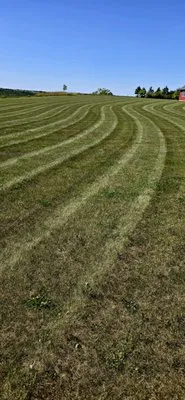
JL Lawn Care is a trusted lawn and snow service provider serving Burlington, ND, and the surrounding Minot area. With over a decade of experience, we specialize in large-area mowing for vacant lots, f...
4Ever Green Lawn Care is a trusted local lawn service provider in Minot, ND, specializing in gardening and comprehensive lawn care solutions. We understand the unique challenges Minot homeowners face,...
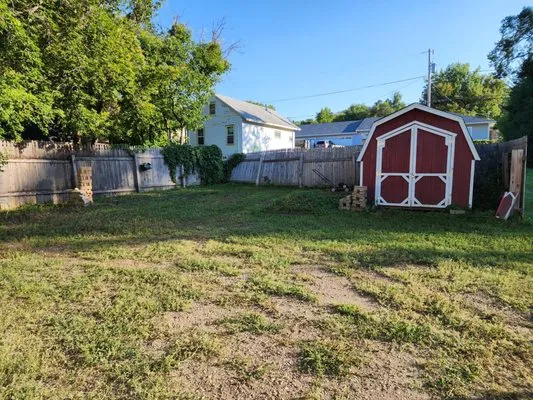
Ruachos Maintenance is your trusted, local partner for a wide range of property upkeep needs in Minot. We are a family-owned business dedicated to making your outdoor spaces beautiful and your home li...
B & B Ground Maintenance is a trusted local gardening and lawn care service based in Minot, ND, dedicated to keeping your outdoor spaces healthy and beautiful year-round. We specialize in comprehensiv...
Prolawn Professional Lawn is Minot's trusted local partner for reliable, year-round lawn care. We understand the specific challenges homeowners face, from clearing storm debris after harsh weather to ...
Bam Lawn & Snow Removal is a trusted, local service provider in Minot, ND, dedicated to keeping your property safe and well-maintained year-round. We specialize in efficient and reliable snow removal ...
Spring Valley Lawn Sprinklers is your trusted local expert for irrigation in Minot, ND. We understand the unique challenges Minot homeowners face, like patchy, dead lawn areas and struggling shrubs of...
Superior Grounds Maintenance is your trusted local partner for comprehensive landscaping solutions in Minot, ND. We specialize in diagnosing and fixing the common problems homeowners face, such as uns...
Estimated Landscaping Service Costs in Apple Creek, ND
FAQs
We're tired of constant mowing. Are there lower-maintenance options that still look good?
Absolutely. Transitioning perimeter areas or full zones to a native prairie planting using Little Bluestem, Purple Prairie Clover, and Blanketflower drastically reduces water, mowing, and chemical inputs. These deep-rooted perennials are adapted to Zone 4a and our soil pH, building soil carbon and supporting pollinators. This shift also future-proofs your property against evolving noise ordinances that restrict gas-powered blowers and mowers, moving you toward a quieter, electric-maintenance landscape.
If a storm damages trees, how quickly can a crew get here for an emergency cleanup?
For urgent HOA compliance or safety issues, a crew can typically be dispatched within the hour. The primary route from our base near the Apple Creek Fire Hall uses US-83, providing direct access to Apple Creek Estates. Accounting for peak traffic or weather, the estimated travel and setup time is 20-30 minutes. Our fleet includes electric chippers and saws, allowing work to begin immediately upon arrival, even during noise-restricted hours.
Our yard has pooling water and frost heave damage each spring. What's the solution?
These issues are symptoms of the native silty clay loam's moderate permeability, combined with seasonal freeze-thaw cycles. The corrective strategy involves improving subsurface drainage through strategic grading and channeling water away from foundations. For patios or walkways, using permeable materials like crushed granite or open-grid recycled concrete pavers increases surface infiltration, which can help meet Burleigh County Planning and Zoning standards for stormwater management on residential lots.
Our soil seems really hard and compacted. Is that normal for a neighborhood like Apple Creek Estates?
Yes, this is a common condition in lots developed around 1991. With 35 years of maturation, the original construction-grade silty clay loam has settled and compacted, especially from repeated mowing and foot traffic. This soil type naturally has low permeability, which is exacerbated over time, leading to poor drainage and reduced root zone oxygen. A core aeration program combined with top-dressing compost is the foundational remedy to rebuild soil structure and biological activity.
How do we keep our Kentucky Bluegrass lawn green during summer without violating water restrictions?
The key is precision irrigation aligned with actual plant need. A Wi-Fi ET-based system uses local weather data to calculate evapotranspiration, automatically adjusting runtime to replace only the water lost. For Zone 4a's silty clay loam, this means fewer, deeper watering cycles to encourage drought-tolerant roots. This technology is designed to comply with Stage 1 conservation awareness by preventing runoff and overwatering, maintaining turf health within municipal guidelines.
Do we need a permit to regrade our yard, and what should we look for in a contractor?
Significant regrading that alters water flow or involves retaining walls over certain heights often requires review by Burleigh County Planning and Zoning. For a 0.35-acre lot, such earthwork can impact drainage patterns for adjacent properties. It is critical to hire a contractor holding current licensing through the North Dakota Secretary of State. This ensures they carry the required insurance and understand local codes, including sediment control during construction and final compliance with runoff standards.
We're adding a patio. Is crushed granite or recycled concrete better than wood for our area?
Both crushed granite and recycled concrete pavers offer superior longevity and lower maintenance than wood in Apple Creek's climate. They are inert, resist frost heave when installed with a proper base, and do not rot or attract pests. From a fire safety perspective, these non-combustible materials are recommended for creating defensible space in Wildland-Urban Interface Zone 2, as per the local Fire Wise rating. Their permeability also aids in managing the moderate runoff typical of your soil type.
What are the biggest weed threats here, and how do we deal with them safely?
In established turf, invasive perennials like Canada Thistle and Leafy Spurge are primary concerns. Control requires a targeted, seasonal approach. A soil test is legally mandated before any phosphorus application to established turf, per local ordinance. For broadleaf weeds, selective organic or synthetic herbicides applied in late spring or early fall are most effective. Always coordinate treatments outside of peak pollinator activity and adhere to any blackout dates specified for fertilizer or pesticide applications.
