Top Landscaping Services in Youngsville, NC, 27596 | Compare & Call
There are 219 landscaping companies server in Youngsville NC
Royal Hardscape Designs is a premier landscaping and design firm serving Youngsville, NC. We specialize in creating beautiful, functional outdoor spaces that are built to last. We understand the local...

Stripes Landscaping and Maintenance is a locally-owned and operated business with deep roots in Wake County. Founded in 2015 by Ben, a Youngsville resident with over a decade of hands-on experience, t...
Lawn and Ladder Yard Service is a trusted local lawn care provider in Youngsville, NC, specializing in comprehensive lawn maintenance to address common regional landscaping challenges. Many Youngsvill...
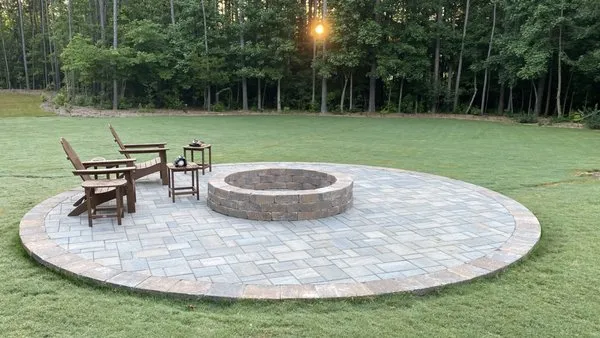
Ramirez Landscaping
Ramirez Landscaping has been serving Youngsville, NC, and surrounding communities for over 15 years, providing comprehensive landscaping and outdoor construction services. Our team handles everything ...
Amigos Landscaping & Irrigation is a trusted local business in Youngsville, NC, specializing in comprehensive lawn, masonry, and irrigation solutions. Many homes in our area face common landscaping ch...
STR Landscaping is a dedicated local provider serving the Youngsville, NC community. We understand the specific challenges homeowners face here, including persistent moss growth in lawns and damage to...
Southern Property Management
Southern Property Management provides comprehensive property care for Wake Forest, NC, homeowners, specializing in lawn, gutter, and tree services. We understand the common local challenges of patchy,...
Custom Forest Landscapes is a trusted lawn care provider serving the Youngsville, NC community. We understand the common local frustrations with landscape edging damage and sprinkler coverage gaps, wh...
Timberlake's Lawn Service and Power Wash
Timberlake's Lawn Service and Power Wash is a trusted local provider in Youngsville, NC, specializing in lawn care and pressure washing solutions. We help homeowners tackle common landscaping challeng...
Estimated Landscaping Service Costs in Youngsville, NC
FAQs
What solutions work for seasonal saturation in Appling Sandy Loam soil?
Appling Sandy Loam's high clay content creates impermeable layers that cause seasonal saturation. Installing French drains with clean gravel and landscape fabric redirects subsurface water away from foundations. Using permeable concrete pavers or flagstone for hardscapes meets Youngsville Planning & Zoning Department runoff standards by allowing 80-90% of rainfall to infiltrate. Grading soil to create a 2% slope away from structures provides additional protection.
What permits and licenses are needed for grading my 0.35-acre lot?
Grading projects on 0.35-acre lots typically require erosion control permits from the Youngsville Planning & Zoning Department. The North Carolina Landscape Contractors Licensing Board mandates that any grading affecting drainage patterns or involving more than 100 cubic yards of soil movement requires licensed professionals. Unlicensed grading can violate municipal codes and create liability for downstream water issues. Always verify contractor licensing before beginning earthwork projects.
How quickly can you respond to an emergency tree cleanup after a storm?
Our storm response team can typically reach Downtown Youngsville properties within 20-30 minutes during peak events. We dispatch from Luddy Park and take US-1 for direct access to residential areas. This routing avoids congestion while maintaining compliance with the 9:00 PM to 7:00 AM noise ordinance. For HOA compliance deadlines, we prioritize same-day assessments to prevent violation notices.
How can I maintain Tall Fescue during voluntary water conservation periods?
Smart Wi-Fi ET-based controllers adjust irrigation schedules daily based on local evapotranspiration data. These systems typically reduce water use by 20-30% compared to traditional timers while preserving turf health. For Tall Fescue in USDA Zone 7b, deep watering 1-1.5 inches weekly encourages deeper root growth. During normal conservation periods, this approach maintains turf quality while staying well within municipal water limits.
How should I handle invasive species without violating fertilizer guidelines?
Common invasive alerts in Youngsville include Japanese stiltgrass and Chinese privet, which outcompete native vegetation. Manual removal before seed set is most effective for small infestations. For chemical treatment, use targeted herbicides during dry periods to avoid NCDA&CS fertilizer ordinance violations about application before heavy rain. Always apply during active growth phases for maximum effectiveness while protecting surrounding desirable plants.
Why does my lawn in Downtown Youngsville struggle with compaction and poor drainage?
Homes built around 2002 on Appling Sandy Loam soil have approximately 24 years of soil maturity. This soil type naturally develops high clay content in the subsoil layer, reducing permeability over time. Core aeration every 1-2 years is essential to break up compaction and improve oxygen exchange. Adding 0.25 inches of compost annually builds organic matter, which enhances water retention in the sandy surface while improving drainage in the clay subsoil.
What native plants reduce maintenance while supporting local ecology?
Replacing high-maintenance turf with Eastern Redbud, Switchgrass, Black-eyed Susan, Butterfly Milkweed, and River Birch creates resilient landscapes. These natives require minimal irrigation once established and support pollinators year-round. Transitioning to electric maintenance equipment aligns with evolving noise ordinances while reducing carbon emissions. This approach positions properties ahead of potential gas-blower restrictions while meeting 2026 biodiversity standards.
Are concrete pavers better than wood for durability and fire safety?
Concrete pavers and flagstone offer superior longevity with 25+ year lifespans versus wood's 10-15 years with maintenance. These materials provide non-combustible surfaces that support Firewise USA defensible space recommendations for moderate-risk zones. Proper installation with polymeric sand joints prevents weed growth while maintaining permeability. Unlike wood, they don't require chemical treatments that can leach into soil or create maintenance demands.
