Top Landscaping Services in Yanceyville, NC, 27212 | Compare & Call

Green Thumbs Landscaping Services
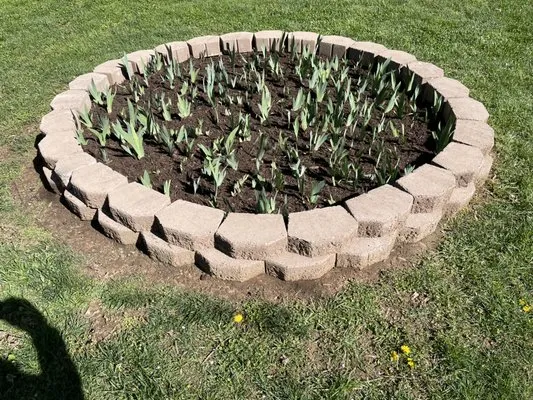
Green Thumbs Landscaping Services is a locally owned and operated business in Yanceyville, NC, founded by Roberto Zapto in 2020. We understand the challenges of maintaining a property after a long day...
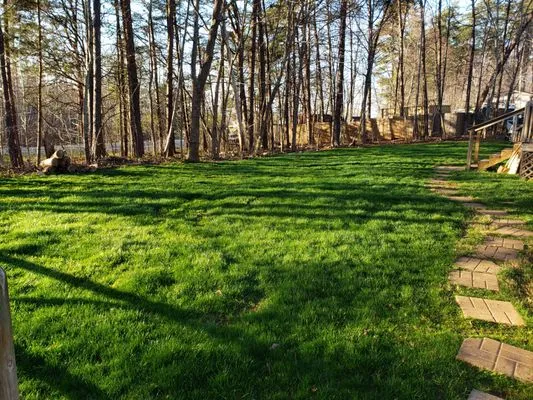
Smart Turf Lawn Care is a family-owned and operated lawn service based in Yanceyville, NC, founded in 2019 by Cody and his wife. Starting with a simple push mower for their own home, they quickly upgr...
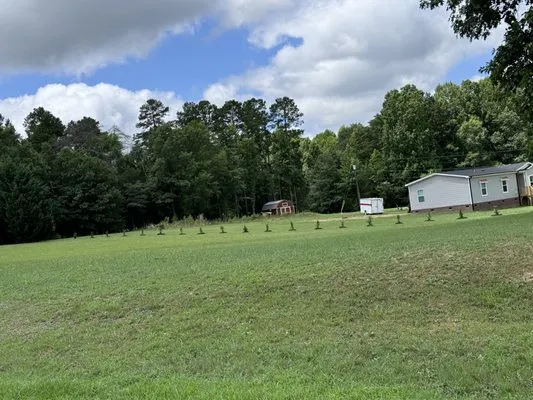
Pleasant View Lawn Care is a trusted, locally-owned lawn service provider in Yanceyville, NC. We focus on delivering reliable, personalized care to help our neighbors maintain healthy and attractive o...

Simmons Professional Services is a trusted lawn care provider in Yanceyville, NC, dedicated to maintaining healthy, beautiful lawns for local residents. We specialize in addressing common landscaping ...
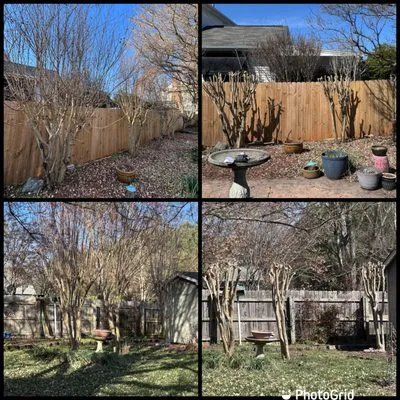
Pleasant View Solutions is a family-owned lawn care business dedicated to serving Yanceyville and the surrounding community. We believe in honest, hard work and building lasting relationships with our...

Freedom Rock Landscaping is a trusted Yanceyville-based company specializing in comprehensive landscaping and tree services. We handle everything from driveway and patio construction to shrub care and...
HM Landscaping is your trusted, local partner for comprehensive landscaping care in Yanceyville, NC, and the surrounding Caswell County area. We specialize in shrub and tree health, directly addressin...
Rose Hill Services is a dedicated landscaping, tree care, and pressure washing company serving Yanceyville, Danville, and Reidsville. We are a local team known for being hard-working, reliable, and ho...
Q&A
How can I keep my Tall Fescue green without violating water conservation rules?
Current voluntary conservation status allows for efficient water use, which is best achieved with Wi-Fi ET-based weather-sensing irrigation. This technology schedules watering based on real-time evapotranspiration data, applying water only when the turfgrass needs it, often in the early morning. This method can reduce water use by 20-30% compared to traditional timers, keeping Tall Fescue healthy within municipal limits by preventing overwatering and deep percolation loss.
What invasive plants should I watch for, and how do I remove them safely?
Primary invasive species alerts for this area include Japanese stiltgrass, Chinese privet, and English ivy. Manual removal is effective for small infestations. For larger issues, targeted herbicide application must follow state-standardized phosphorus restrictions and avoid blackout dates typically in late summer to early fall, which are designed to protect local watersheds. Always identify the species first, as treatment timing and method are critical to prevent regrowth and protect natives.
Our lawn seems thin and water runs off quickly. Is this just bad soil?
For a house built around 1975, the soil profile is approximately 51 years old. In the Yanceyville Historic District, original construction typically disturbed and compacted the native Ultisol, a Cecil sandy loam. This process creates a dense, acidic layer (pH 5.5-6.2) with low organic matter, which restricts root growth and water infiltration. Core aeration combined with incorporating composted organic matter is the fundamental correction to rebuild soil structure and biology.
I want to reduce mowing and gas equipment noise. What are my options?
Transitioning high-maintenance turf to climate-adapted natives directly addresses both concerns. Replacing areas with a matrix of Switchgrass, Purple Coneflower, and understory trees like Eastern Redbud or Flowering Dogwood drastically reduces weekly mowing. This xeriscape approach eliminates weekly gas mower and blower use, preemptively aligning with evolving noise ordinance trends focused on electric equipment, while providing superior habitat and drought resilience.
Are concrete pavers or wood better for a new patio that's low-maintenance and fire-safe?
Concrete pavers and local fieldstone offer superior longevity and fire resistance compared to wood. In a Moderate Wildland-Urban Interface zone, creating defensible space is a priority; non-combustible materials like stone or concrete do not contribute fuel. These materials also withstand freeze-thaw cycles in Zone 7b without rotting or warping, providing a permanent, low-maintenance surface that requires no sealing or chemical treatment, unlike composite or natural wood decks.
A storm brought down a large limb. How fast can you get here for an emergency cleanup?
Emergency storm response dispatch prioritizes safe routes from central landmarks. A crew dispatched from the Caswell County Courthouse would travel via NC-86, with an estimated arrival of 45 to 60 minutes during peak traffic conditions. This timeframe accounts for debris assessment, securing necessary equipment for a 0.50-acre property, and navigating neighborhood access points for efficient removal and site safety.
Why does my landscaper need a special license to regrade part of my half-acre lot?
In North Carolina, any grading or earth-moving project that disturbs more than a de minimis amount typically requires a licensed landscape contractor. The North Carolina Landscape Contractors' Licensing Board mandates this for work affecting drainage, structural integrity, and erosion control on a 0.50-acre property. Caswell County Planning and Inspections will require permit drawings stamped by, or applications submitted through, a properly licensed professional to ensure state environmental and engineering standards are met.
Our yard pools water after heavy rain. What's a lasting fix that also looks good?
Moderate runoff in Cecil sandy loam is often due to subsurface clay compaction, creating a perched water table. A functional solution integrates subsurface French drains with a visible, permeable hardscape feature. Using local fieldstone for a dry creek bed or concrete pavers set in a permeable base creates a channel that manages surface flow. This approach meets Caswell County Planning and Inspections' stormwater guidance by increasing site permeability and controlling erosion.
