Top Landscaping Services in Wilmington, NC, 28401 | Compare & Call
There are 209 landscaping companies server in Wilmington NC
Legacy Home Solutions is a family-owned home improvement company serving Hampstead, NC. We specialize in creating durable, attractive fences and gates, managing healthy lawns and irrigation systems, a...
Riptide Landscaping is a trusted local landscaping company serving Wilmington, NC, and surrounding areas. We specialize in addressing common coastal Carolina landscaping challenges, including patchy l...
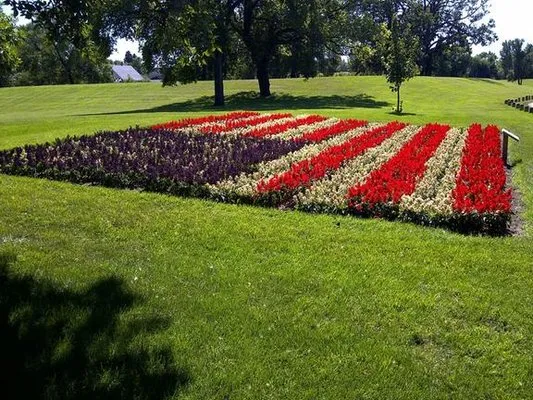
Lawrence Leaf Gardens is a family-owned and operated landscaping company with deep roots in Wilmington, NC. For 35 years, we've built our reputation on a tradition of reliable, high-quality gardening ...
Fall Greens Landscaping is a trusted local landscaping company serving Wilmington, NC, dedicated to solving common residential landscaping challenges. Many Wilmington homeowners face issues like irrig...
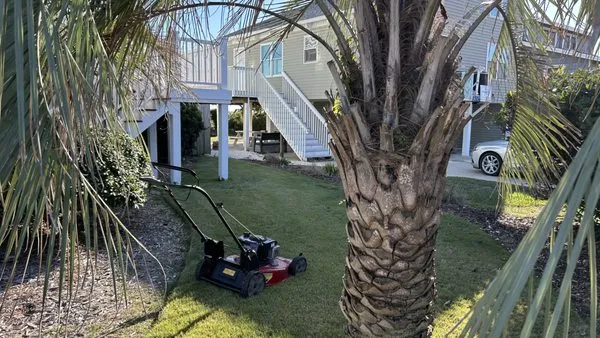
Sullivan's Lawn Care, based in Supply, NC, is a locally owned and operated lawn service provider dedicated to serving Brunswick County. Founded by owner Brian, the company prioritizes building genuine...

Garden Concepts is a full-service landscaping and property care company serving Wilmington, NC, and surrounding areas. We specialize in resolving common local landscape challenges, such as overgrown s...
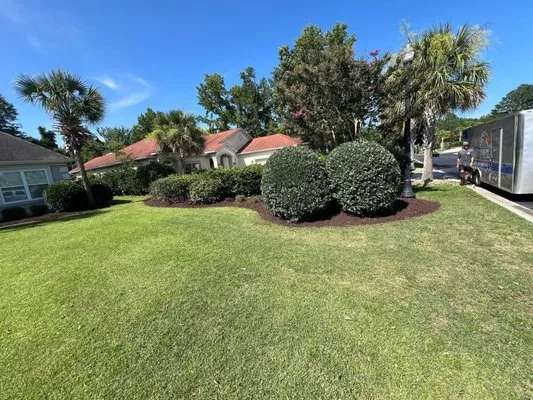
Around The Bush is a locally owned and operated landscaping service in Shallotte, NC, founded by Jaiden, a young entrepreneur raised right here in Brunswick County. Driven by a goal to fund his colleg...
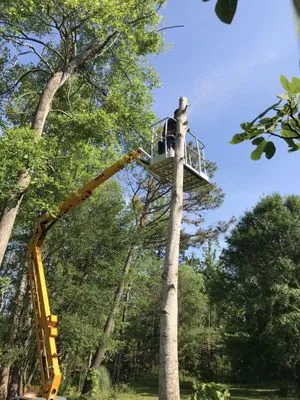
Atlantic Lawn and Tree is a full-service landscaping and tree care company serving Wilmington, NC, and the surrounding areas. We specialize in transforming and maintaining outdoor spaces to thrive in ...

High Power Hauling is your local, full-service partner in Jacksonville, NC, uniquely combining junk removal, demolition, and lawn services into one reliable operation. We simplify your projects by eli...
Estimated Landscaping Service Costs in Wilmington, NC
FAQs
Are permeable pavers better than wood decking for my patio?
Permeable concrete pavers offer superior longevity and fire resistance compared to wood in Wilmington's humid climate. With a 25+ year lifespan versus wood's 10-15 years with maintenance, pavers provide better value over time. Their non-combustible nature supports defensible space requirements in moderate Firewise zones by eliminating flammable materials near structures. The permeability also manages stormwater runoff more effectively than impervious surfaces, reducing erosion and supporting groundwater recharge in sandy coastal soils.
How do I maintain my St. Augustine grass during Stage 1 water restrictions?
Smart Wi-Fi controllers with soil moisture sensors optimize irrigation by applying water only when evapotranspiration data indicates need. These systems typically reduce water use by 30-50% while maintaining turf health. For St. Augustine grass in USDA Zone 8b, deep, infrequent watering encourages deeper root growth and drought tolerance. Programming controllers to water before 10 AM minimizes evaporation loss and aligns with voluntary conservation goals while keeping grass viable through Wilmington's summer heat.
How quickly can you respond to storm damage for HOA compliance?
Our electric maintenance fleet operates within Wilmington's 8 PM to 7 AM noise ordinance restrictions, allowing early morning response. From our base near Airlie Gardens, we take I-40 to Carolina Place, typically arriving within 45-60 minutes during peak conditions. This routing avoids downtown congestion while maintaining compliance with noise regulations. We prioritize safety assessments, debris removal, and temporary stabilization to meet HOA deadlines while preparing for permanent repairs.
How do I control invasive species without violating fertilizer regulations?
Japanese stiltgrass and Chinese privet pose significant threats in Wilmington's moderate Firewise zones. Manual removal before seed set in early spring prevents spread without chemicals. For persistent infestations, targeted glyphosate applications in fall when natives are dormant minimize collateral damage. These methods avoid phosphorus-containing fertilizers restricted in stormwater buffer zones. Regular monitoring and immediate treatment of new invasions maintain landscape health while protecting nearby water resources from nutrient pollution.
What permits and licenses are needed for grading my 0.22-acre lot?
Grading that alters drainage patterns or involves more than 50 cubic yards of earth movement requires a permit from Wilmington Planning, Development, Transportation. The North Carolina Landscape Contractors' Licensing Board mandates that any project exceeding $30,000 in value or involving irrigation installation must be performed by a licensed contractor. On 0.22-acre Carolina Place lots, even modest grading can trigger these requirements due to proximity to property lines and existing drainage infrastructure. Proper licensing ensures compliance with state stormwater regulations and protects against liability issues.
What's the best solution for standing water in my backyard?
Coastal Plain Sandy Loam's poor infiltration combined with Wilmington's high water table requires engineered drainage solutions. Permeable concrete pavers allow 80-90% of stormwater to infiltrate directly, reducing runoff that would otherwise overwhelm the soil's capacity. These systems meet Wilmington Planning, Development, and Transportation requirements for on-site water management. For severe cases, French drains or dry wells connected to permeable hardscapes provide additional capacity during heavy rainfall events common in coastal North Carolina.
Why does my Carolina Place lawn have drainage issues and poor grass health?
Wilmington's Coastal Plain Sandy Loam soil naturally has low organic matter and poor water infiltration. In Carolina Place, where homes average 39 years old since 1987, decades of compaction from foot traffic and maintenance equipment have further reduced soil permeability. This combination creates a high water table situation where water pools rather than percolates. Core aeration and adding 2-3 inches of compost annually can improve soil structure and drainage while adjusting the pH toward the optimal 5.5-6.5 range for centipede grass.
What alternatives exist for high-maintenance turf that reduce noise and water use?
Replacing portions of centipede grass with native Coastal Plain species creates a resilient landscape requiring less maintenance. Inkberry Holly provides year-round structure, while Beautyberry offers seasonal interest with minimal care. These natives have evolved for Wilmington's climate, needing no supplemental irrigation once established and attracting pollinators. Transitioning to electric equipment ahead of noise ordinance enforcement reduces operational noise while eliminating gas emissions, creating a quieter neighborhood environment.
