Top Landscaping Services in Weaverville, NC, 28787 | Compare & Call

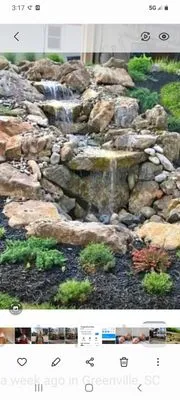
Carolina Landscaping is a locally owned and fully insured landscaping company serving Weaverville and the wider Western North Carolina area. We specialize in comprehensive outdoor solutions, from cust...
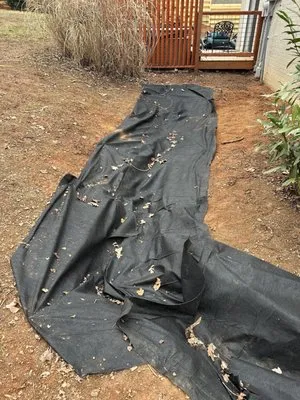
Lawn-N-Order Landscaping
Lawn-N-Order Landscaping is a Weaverville-based company with deep roots in Western North Carolina. Founded in 2001 by WNC native Ryan Houston, our business grew from a passion for the outdoors into a ...
Giovanni Gamez is a dedicated Weaverville landscaper with over a decade of experience serving Western North Carolina. Born and raised in Haywood County, his passion for the outdoors and hiking informs...
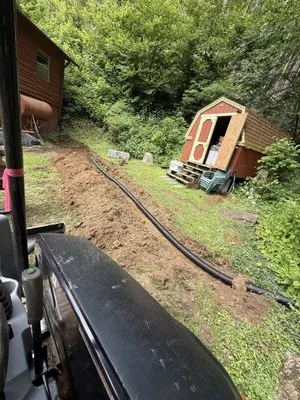
J & K Excavation is a Weaverville-based contractor trusted across Western North Carolina for transforming rugged terrain into stable, usable land. We combine local expertise with reliable equipment to...
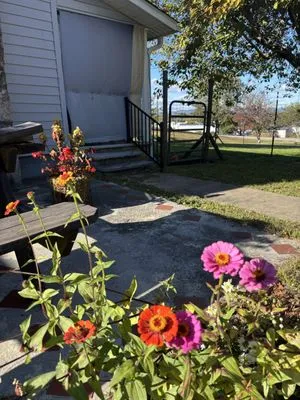
Weaverville Handiwork is a trusted, third-generation family business deeply rooted in the Weaverville and greater Asheville community. As local handymen and builders, our focus is on providing reliabl...
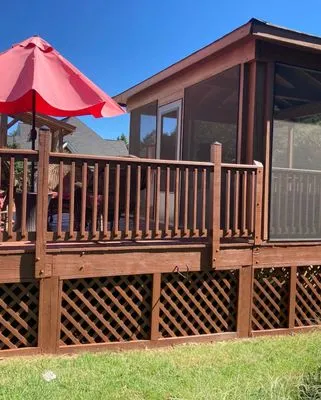
Case Lawn Care is your local, owner-operated partner for exterior home services across the greater Asheville area. Founded in 2021, we bring straightforward, reliable workmanship to every job, whether...
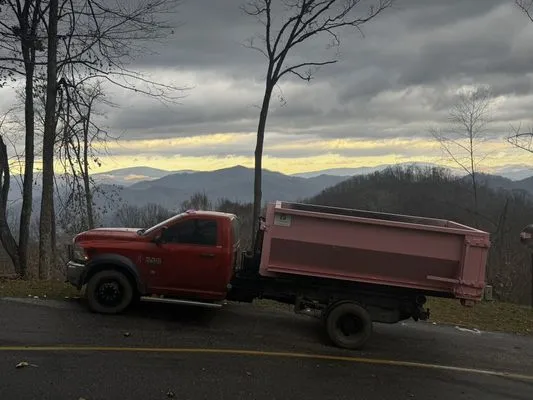
Mellen's Elite Services is a locally owned and operated company in Weaverville, NC, built on the principle of big-company capability paired with small-town care. As an owner-operated business, we take...
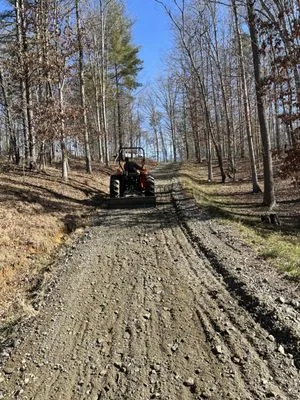
Crawford Lawn Care is a family-owned lawn service business based in Weaverville, NC, serving Buncombe County with professional lawn maintenance. Specializing in mowing, weed eating, hedge trimming, br...
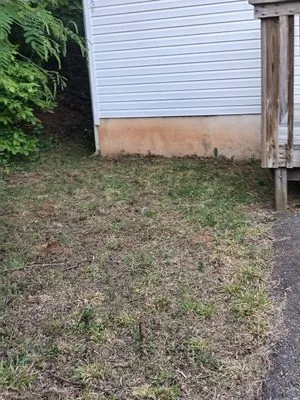
MD Lawn Care is Weaverville's trusted partner for year-round lawn and garden health. Many local homes face challenges like dying shrubs and moss overtaking lawns, often due to Buncombe County's specif...
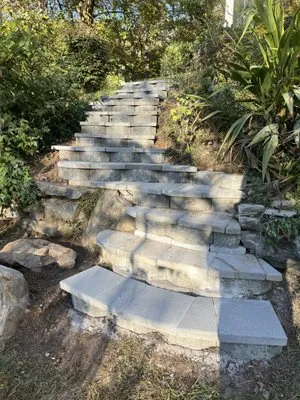
Pitts Top Lawn Care is a trusted, locally-owned lawn service provider based in Weaverville, NC, proudly serving the greater Asheville area. With over 20 years of dedicated experience, we offer reliabl...
Frequently Asked Questions
I'm tired of weekly mowing. Are there lower-maintenance, eco-friendly alternatives for my yard?
Transitioning high-input turf to a matrix of regionally native plants like Eastern Redbud, Serviceberry, Mountain Laurel, and Purple Coneflower drastically reduces maintenance. This established palette requires no fertilizer, minimal summer water, and supports local pollinators. It also future-proofs your property against evolving noise ordinances by eliminating gas-powered mowers and blowers.
A storm caused major limb drop. What's the fastest way to get a crew for emergency HOA compliance cleanup?
For urgent storm response, a crew would dispatch from the Weaverville Nature Park area. Using the US-19/23 corridor, travel to most Lake Louise addresses is optimized for a 20-30 minute arrival during peak hours. The priority is clearing roadways and hazardous hangs to meet safety covenants, with debris processing scheduled after immediate hazards are mitigated.
How can I keep my Tall Fescue healthy without wasting water under our voluntary conservation rules?
Tall Fescue's deep root system benefits from infrequent, deep watering. Smart Wi-Fi soil moisture sensor controllers are critical for this; they bypass scheduled cycles when the root zone is adequately wet, applying water only during peak ET (evapotranspiration) windows. This technology often reduces municipal water use by 30-40% while maintaining turf vigor, aligning perfectly with Weaverville's conservation stance.
I've spotted what looks like Japanese Knotweed. How should I handle invasive plants here?
Japanese Knotweed and other invasives threaten native plant communities. Treatment requires a targeted, systemic herbicide applied at specific growth stages by a licensed professional. This must be carefully planned to avoid statewide phosphorus application restrictions near any water conveyance and to comply with blackout dates designed to protect aquatic life. Physical removal is often insufficient for established rhizomes.
My sloped yard erodes every hard rain. What's a long-term solution that also looks good?
High slopes combined with Piedmont clay compaction create rapid runoff. The solution integrates subsurface French drains with surface stabilization using native Switchgrass or deep-rooted perennials. For paved areas, specifying permeable concrete pavers or local Blue Ridge Granite set with gravel joints increases infiltration, which can help meet the Town of Weaverville Planning Department's stormwater management standards for new installations.
We want to regrade our backyard. What permits and contractor qualifications are needed?
Regrading a 0.35-acre lot with existing slope concerns is a significant earth-moving operation. It requires a land disturbance permit from the Town of Weaverville Planning Department to ensure proper sediment and erosion control. The contractor must hold an active license from the North Carolina Landscape Contractors Licensing Board, which covers the insurance and expertise necessary for altering drainage patterns and structural grade.
Our neighborhood was built in the late 80s, and my soil seems tough. What's likely going on with it?
Homes constructed around 1988, common in the Lake Louise area, have soils that are now 38 years into their development. Ultisols, our region's acidic loam, naturally compact over decades. The original construction grading and decades of foot traffic have significantly reduced permeability, creating a dense layer that restricts root growth and water infiltration. This necessitates core aeration and the addition of organic compost to rebuild soil structure and reintroduce beneficial biology.
Is a stone patio better than a wood deck for longevity and fire safety in our area?
Given Weaverville's Moderate Wildland-Urban Interface fire rating, non-combustible materials are advised for defensible space. Blue Ridge Granite or permeable concrete pavers offer centuries of longevity with minimal upkeep, unlike wood which requires periodic treatment. A properly installed stone patio also manages site drainage without contributing flammable material within the critical home ignition zone.
