Top Landscaping Services in Wallburg, NC, 27107 | Compare & Call
There are 200 landscaping companies server in Wallburg NC
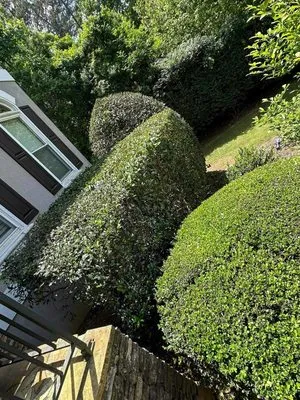
Go Natural Landscaping is a full-service landscaping company serving Bermuda Run, NC, and the surrounding areas. We specialize in comprehensive garden and landscape solutions, including design, instal...
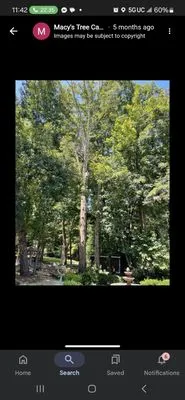
Macy's Tree Care Specialists
Macy's Tree Care Specialists is a Trinity-based business owned and operated by a certified female arborist. We provide reliable tree care, landscaping, and property maintenance services for homeowners...

......
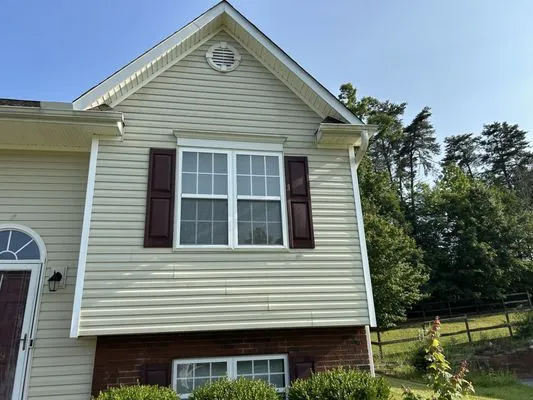
View The World Landscaping is your Kernersville neighbor dedicated to cultivating beautiful, healthy outdoor spaces. We understand the unique challenges Triad homeowners face, from moss taking over la...
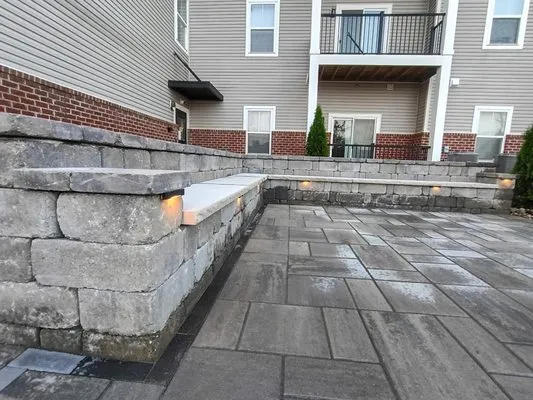
Mindful Moments Landscaping
At Mindful Moments Landscaping, we help families in Greensboro, Lexington, and Salisbury transform their yards into personal sanctuaries. We understand the busy lives of Triad residents and create out...
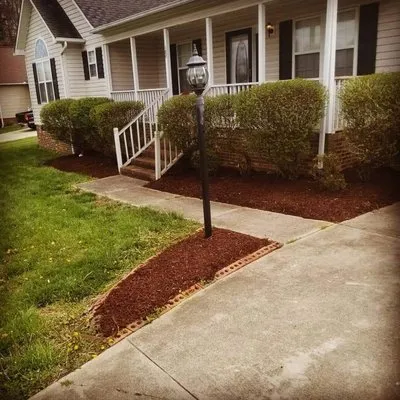
Eli Professional Services has been a trusted name in Thomasville, NC for over a decade, founded by owners Eli and Desire Soto. We specialize in comprehensive lawn and tree care services, including law...
Stanley's Simply Green Lawn Maintenance
Stanley's Simply Green Lawn Maintenance is a locally owned and operated landscaping company serving Thomasville, NC, and the surrounding Guilford, Randolph, and Davidson counties. With over 15 years o...
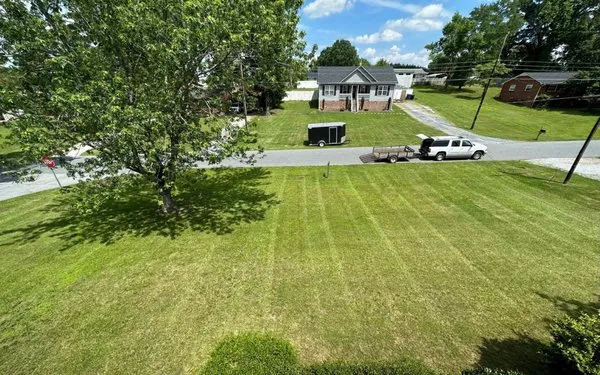
Petty Landscaping is a trusted family-run business serving Thomasville, NC. Founded by the father-son team of Tim and Wil Petty, the company blends decades of hands-on experience with a practical appr...
Brim's Landscaping is a trusted, locally-owned landscaping company serving High Point, NC, and the surrounding areas. We specialize in addressing common local landscaping challenges that many homeowne...

Osprey Landscapes is a full-service landscaping company serving High Point, NC, specializing in comprehensive outdoor solutions from design to maintenance. We address common local issues like sprinkle...
Estimated Landscaping Service Costs in Wallburg, NC
FAQs
What licensing requirements apply to grading work on my 0.55-acre property?
Grading work exceeding 500 square feet on a 0.55-acre lot requires permits from Davidson County Planning Department and a licensed professional. The North Carolina Landscape Contractors' Licensing Board mandates specific credentials for earth-moving operations that could affect drainage patterns or structural stability. Unlicensed grading risks violating county erosion control ordinances and may void property insurance. Always verify contractor licensing through the state board before authorizing significant earthwork.
Can I maintain Tall Fescue during Wallburg's voluntary water conservation periods?
Smart Wi-Fi ET-based weather sensing controllers optimize Tall Fescue irrigation by calculating evapotranspiration rates specific to Wallburg's microclimate. These systems automatically adjust watering schedules based on real-time weather data, reducing water use 20-30% while preserving turf health. During voluntary conservation periods, controllers prioritize deep, infrequent watering that encourages deeper root systems. This technology maintains Kentucky-31 or Turf Type Tall Fescue within municipal water guidelines.
Why does my Wallburg Historic District lawn struggle despite regular care?
Properties in the Wallburg Historic District average 42 years of soil development since 1984 construction, leading to compaction in Cecil Sandy Loam. This acidic soil with pH 5.5-6.0 naturally restricts root penetration and water infiltration over decades. Core aeration every 2-3 years breaks up compaction layers, while adding organic amendments like composted pine bark improves soil structure. These interventions address the fundamental limitation of mature residential soils in our area.
How can I reduce maintenance while preparing for future gas equipment restrictions?
Transitioning high-maintenance turf areas to native plantings creates resilient landscapes ahead of potential noise ordinance changes. Eastern Redbud, Flowering Dogwood, Purple Coneflower, and Switchgrass require minimal watering once established and eliminate weekly mowing. These natives support local pollinators while reducing dependency on gas-powered blowers and trimmers. The shift aligns with Wallburg's Moderate Fire Wise rating by creating defensible space with fire-adapted species.
Are permeable pavers better than wood for Wallburg's climate and fire safety?
Permeable concrete pavers outperform wood in longevity and fire safety for Wallburg's Moderate Fire Wise rating zones. While wood decking requires replacement every 10-15 years, pavers maintain structural integrity for decades with minimal maintenance. Their non-combustible nature creates defensible space around structures, reducing wildfire risk in the Wildland-Urban Interface. The permeability also addresses drainage concerns inherent to Cecil Sandy Loam soils.
How quickly can you respond to emergency storm damage for HOA compliance?
Emergency cleanup crews dispatch from Wallburg Community Park via NC-109, maintaining 20-30 minute peak response times. This routing prioritizes accessibility to the Historic District while accounting for traffic variables. Crews carry electric chainsaws and battery-powered blowers to address fallen limbs and debris immediately. Documentation for HOA compliance includes timestamped arrival photos and detailed work logs.
What solutions prevent surface ponding in Wallburg's clay-heavy soils?
Cecil Sandy Loam's high clay content creates permeability challenges that lead to surface ponding. Installing permeable concrete pavers provides 30-40% void space for water infiltration, meeting Davidson County Planning Department runoff standards. French drains with clean gravel and landscape fabric redirect subsurface water away from foundations. These systems work synergistically to manage the 0.55-acre lot's drainage while preventing erosion.
What invasive species threaten Wallburg landscapes and how are they managed?
Japanese stiltgrass and Chinese privet present significant invasive risks in USDA Zone 7b, outcompeting native vegetation. Manual removal before seed set combined with targeted herbicide applications during active growth phases controls these species. All treatments comply with North Carolina's phosphorus management ordinance, avoiding runoff-sensitive periods. Regular monitoring prevents re-establishment while preserving soil microbiology and mycorrhizal networks.
