Top Landscaping Services in Trent Woods, NC, 28562 | Compare & Call

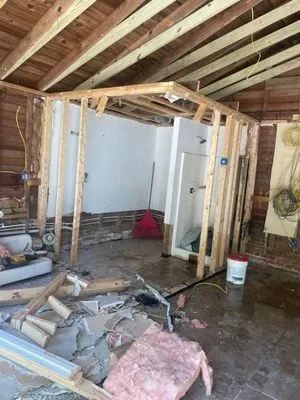
DC remodeling and lawn services
DC Remodeling and Lawn Services is a family-owned business serving Trent Woods, NC, with expertise in both interior remodeling and exterior lawn care. For interior projects, we specialize in drywall i...

Green Leaf Landscaping is a trusted local landscaping company serving Trent Woods, NC, dedicated to solving common yard challenges homeowners face in our community. We specialize in addressing sprinkl...
Frequently Asked Questions
We want to reduce lawn maintenance and noise. Are native plants a practical alternative?
Replacing high-maintenance turf with native species like American Beautyberry and Swamp Sunflower decreases mowing frequency and gas-powered equipment use. This transition aligns with evolving noise ordinance considerations for electric maintenance fleets. Native plantings require 70% less irrigation and support local pollinator populations. Established Inkberry Holly and River Birch provide year-round structure with minimal chemical inputs.
We've noticed invasive plants spreading. How do we treat them without violating fertilizer regulations?
Common invasive species in Zone 8a include Japanese stiltgrass and Chinese privet. Manual removal before seed set prevents spread without chemical intervention. For persistent infestations, targeted herbicide applications must avoid North Carolina's nitrogen/phosphorus loading blackout dates. Soil testing determines appropriate organic amendments that won't trigger stormwater management violations. Regular monitoring catches new invasions early.
What permits and licenses are required for grading work on our half-acre property?
Grading on 0.50-acre lots in Trent Woods requires erosion control permits from the Town of Trent Woods Planning & Zoning Department. Contractors must hold active licenses through the North Carolina Landscape Contractors' Licensing Board for earthmoving operations. Specific certifications ensure compliance with state stormwater management rules regarding sediment control. Unlicensed grading risks fines and mandatory restoration orders.
We're considering a patio. How do concrete pavers compare to wood for longevity and fire safety?
Concrete pavers with crushed shell bases offer superior longevity to wood in Trent Woods' humid climate, resisting rot and insect damage. Their non-combustible nature supports Moderate Fire Wise ratings for coastal plain interface zones. Proper installation creates defensible space around structures while maintaining permeability. Unlike wood, pavers don't require chemical treatments that can leach into sandy loam soils.
Our yard has been struggling since we moved in. Could the age of our property be affecting soil quality?
Properties built around 1978 in Trent Woods Proper have approximately 48 years of soil development. Ultisol/sandy loam soils in this neighborhood typically experience compaction and nutrient depletion over decades. Core aeration with organic amendments like composted pine bark improves permeability and supports microbial activity. Soil testing confirms pH levels between 5.5-6.5, which benefits acid-loving natives like Southern Magnolia.
We need emergency storm debris cleanup to meet HOA compliance deadlines. How quickly can a crew arrive?
Emergency response from Trent Woods Town Hall via US-70 typically requires 20-30 minutes during peak conditions. Crews prioritize routes with minimal traffic interference while maintaining safety protocols. This timeframe accounts for equipment loading and municipal coordination for debris removal permits. Arrival speed depends on real-time road conditions and storm severity assessments.
Our yard has standing water after heavy rains. What solutions work with Trent Woods' high water table?
Sandy loam soils in Trent Woods exhibit poor infiltration due to compaction and high water tables. Permeable concrete pavers with crushed shell bases create subsurface drainage channels that meet Town of Trent Woods Planning & Zoning Department runoff standards. French drains connected to dry wells redirect surface water while maintaining soil structure. These systems reduce ponding without requiring extensive regrading.
How can we maintain healthy turf while following voluntary water conservation guidelines?
Wi-Fi ET-based weather sensing irrigation systems automatically adjust watering schedules using real-time evapotranspiration data. This technology reduces Centipede Grass or Tall Fescue irrigation by 20-30% compared to traditional timers. Systems integrate local rainfall measurements and soil moisture sensors to prevent overwatering. Programming follows municipal water limits while preserving turf health during dry periods.
