Top Landscaping Services in Thomasville, NC, 27360 | Compare & Call
There are 196 landscaping companies server in Thomasville NC
Grounds Crew Landscaping is a Thomasville, NC-based landscaping company dedicated to solving common local yard problems. Many homeowners in our community struggle with inefficient sprinkler systems, i...
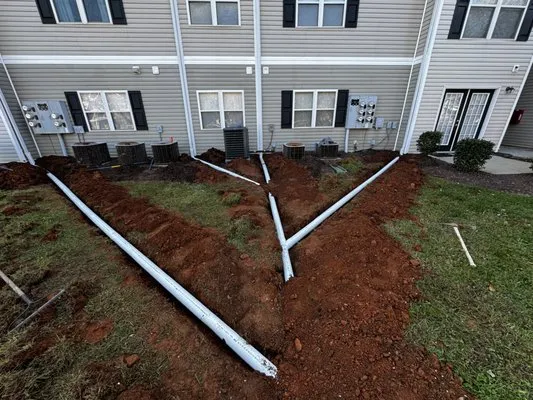
At Glennbrook Partners in Thomasville, NC, we provide comprehensive landscaping and construction solutions for homeowners in our community. Our services range from foundational earthmoving and regradi...
All Seasons Lawn Maintenance is your trusted, local landscaping partner in Thomasville, NC. We understand the common frustrations homeowners face with irrigation timer failures and unsightly dead patc...
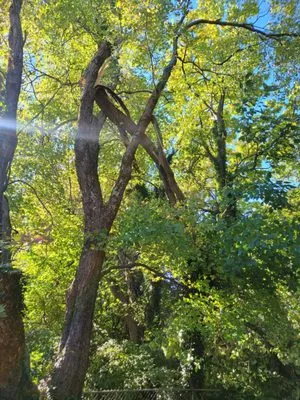
Hiatts Tree Care is a trusted local tree and lawn service provider in Thomasville, NC, with years of hands-on experience serving the community. We specialize in comprehensive tree care, including prun...

DNK Services in Thomasville, NC is a locally owned and operated business with over 26 years of experience in pressure washing, lawn care, and gutter services. Founded in 1998 by a dedicated owner who ...
Greenleaf Landscaping is a trusted, locally-owned landscaping company serving homeowners throughout Thomasville, NC. We specialize in diagnosing and fixing common local landscaping challenges, particu...
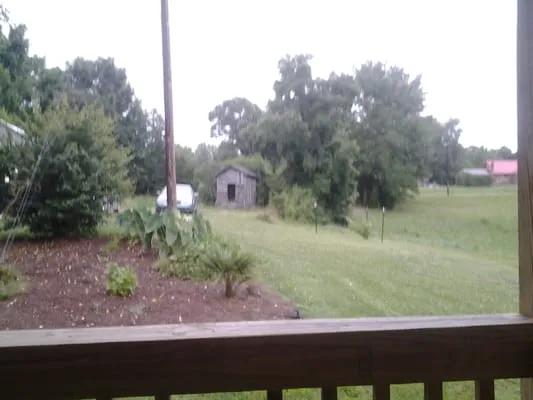
Wilson's Lawncare and Landscaping is a trusted local provider in Thomasville, NC, specializing in comprehensive shrub care and landscape maintenance. We help Thomasville homeowners maintain beautiful,...
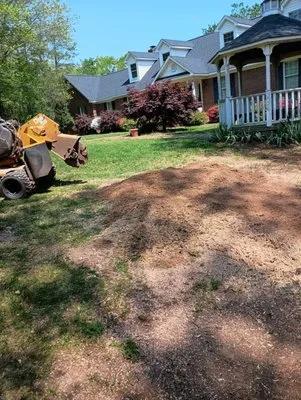
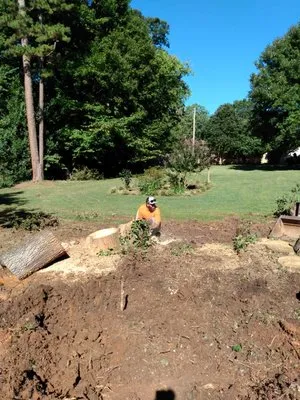
Charles J. Curry, owner of Curry's Stump Removal in Thomasville, NC, is a local husband and father of three who started his business in 2018 to build a future for his family. As a fellow homeowner, he...
Blueridge Handymen & Land Service is a trusted local business in Thomasville, NC, specializing in comprehensive landscaping and handyman solutions. We understand the common challenges Thomasville home...
D & D Landscaping and Tree Service is your trusted, local expert in Thomasville, NC, dedicated to solving common residential landscaping and tree care challenges. Many homeowners here face issues like...
Estimated Landscaping Service Costs in Thomasville, NC
FAQs
What permits and licensing are required for grading work on my 0.35-acre Thomasville property?
Grading projects exceeding 100 cubic yards of earth movement require permits from Thomasville Planning & Inspections Department. Contractors must hold North Carolina Landscape Contractors Licensing Board certification for erosion control and stormwater management. This licensing ensures proper implementation of silt fences, sediment basins, and final grade stabilization on sloped clay profiles common in Colonial Heights.
How should I address invasive species like Japanese stiltgrass without violating fertilizer regulations?
Japanese stiltgrass and Chinese privet pose significant threats in Thomasville's Cecil soil. Manual removal during early growth stages prevents seed bank establishment. Spot treatments with EPA-approved herbicides avoid phosphorus runoff concerns under statewide turf restrictions. Timing applications outside local fertilizer blackout dates protects watershed health while eliminating invasives.
How quickly can you respond to an emergency tree cleanup after a storm in Colonial Heights?
Our electric maintenance fleet can dispatch from Big Chair Park via I-85 to reach Colonial Heights within 25-35 minutes during peak storm response. This rapid deployment meets HOA compliance deadlines while adhering to Thomasville's noise ordinance restricting equipment operation between 9:00 PM and 7:00 AM. All equipment features required mufflers for neighborhood-friendly operation.
What solutions exist for drainage problems on my sloped Thomasville property with clay soil?
Cecil Sandy Clay Loam has high runoff potential on sloped profiles, requiring engineered drainage solutions. Permeable clay brick paver installations with gravel bases increase infiltration rates by 40-60%. These systems meet Thomasville Planning & Inspections Department runoff standards while complementing existing hardscapes. French drains and dry creek beds provide additional runoff management for 0.35-acre lots.
Why does my Colonial Heights lawn struggle with compaction and poor drainage despite regular care?
Thomasville's Colonial Heights neighborhood was developed around 1981, giving the soil approximately 45 years to mature. Cecil Sandy Clay Loam soil, common in this area with pH 5.5-6.0, tends to compact over decades of standard maintenance. This compaction reduces permeability and creates high runoff potential on sloped lots. Core aeration combined with organic amendments like composted pine bark improves soil structure and water infiltration.
Are clay brick pavers better than wood for Thomasville patios considering fire safety?
Clay brick pavers offer superior longevity with 50+ year lifespans versus wood's 15-20 years in Zone 8a humidity. Their non-combustible nature supports Moderate Firewise USA Community ratings by creating defensible space around structures. Brick's thermal mass moderates temperature extremes while its permeability reduces runoff compared to solid concrete installations.
How can I maintain Tall Fescue turf during Thomasville's voluntary water conservation periods?
Wi-Fi ET-based weather sensing irrigation systems automatically adjust watering schedules based on real-time evapotranspiration data. This technology reduces water usage by 20-30% compared to traditional timers while preserving Tall Fescue health. The system stays within municipal water limits by watering only when needed, typically during early morning hours to minimize evaporation loss.
What are the benefits of replacing traditional turf with native plants in Thomasville?
Transitioning from high-maintenance turf to Eastern Redbud, Flowering Dogwood, Purple Coneflower, and Switchgrass reduces water needs by 50-70%. These natives support local pollinators while requiring minimal maintenance ahead of electric equipment mandates. This approach aligns with Firewise USA Community standards by creating defensible space with fire-resistant plantings that thrive in USDA Zone 8a.
