Top Landscaping Services in Sylva, NC, 28779 | Compare & Call
There are 142 landscaping companies server in Sylva NC
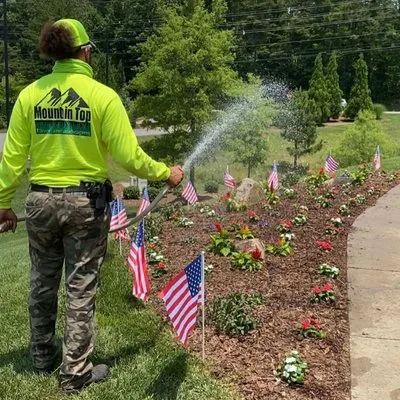
Mountaintop Lawn and Landscaping is a family-owned business serving Asheville, NC, with comprehensive lawn care and landscaping solutions. We specialize in gardening, tree services, pressure washing, ...
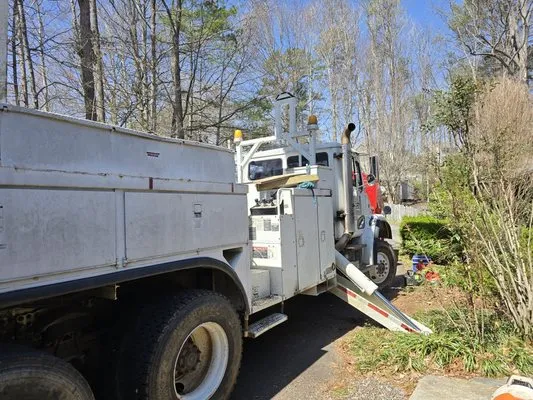
Bevans Tree Service has been a trusted provider of professional tree and landscaping services in Asheville, NC, since 1986. We specialize in a comprehensive range of solutions, including tree care, sh...
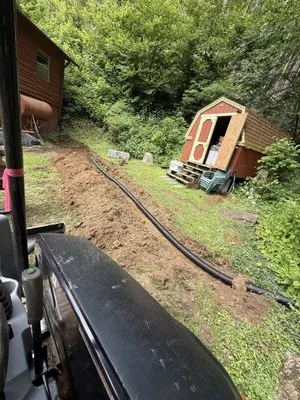
J & K Excavation is a Weaverville-based contractor trusted across Western North Carolina for transforming rugged terrain into stable, usable land. We combine local expertise with reliable equipment to...
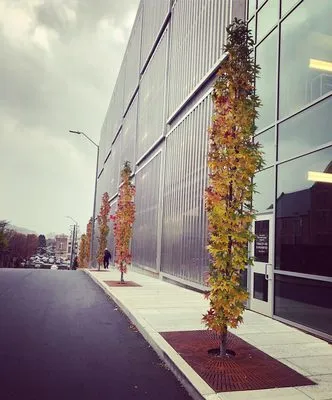
Founded in 1998 by John, a University of Georgia landscape architecture graduate, Landmark Landscapes has been a dedicated partner to the Asheville area for over two decades. John's personal passion f...
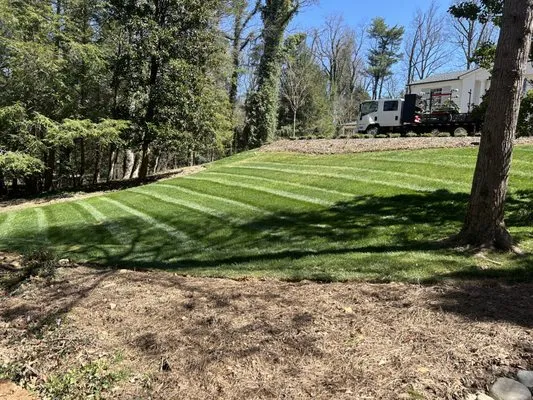
Exclusive Landscaping is your dedicated partner for enhancing and maintaining outdoor spaces throughout Asheville, NC. We provide a comprehensive suite of services including artificial turf installati...
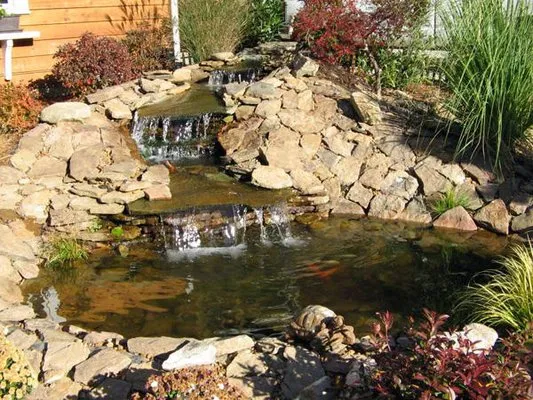
WNC Landscaping
WNC Landscaping in Waynesville, NC, is a locally owned and operated landscaping service with over 50 years of experience. Founded by Charles Boyd, a graduate of NC State University with a B.S. and M.S...
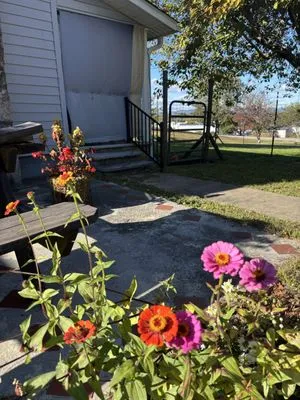
Weaverville Handiwork is a trusted, third-generation family business deeply rooted in the Weaverville and greater Asheville community. As local handymen and builders, our focus is on providing reliabl...
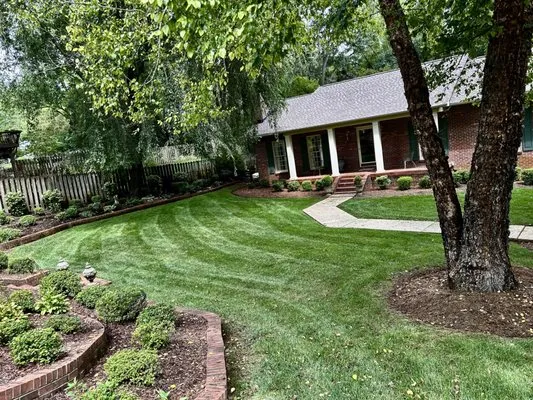
Prado's Landscaping is a family-owned Asheville business founded after 18 years of industry experience. We believe every property has its own unique beauty, and we're dedicated to helping local homeow...
Lawn Brothers Landscaping
Lawn Brothers Landscaping is a locally owned and operated Asheville business dedicated to transforming outdoor spaces with reliable, affordable services. We take pride in our work, offering comprehens...
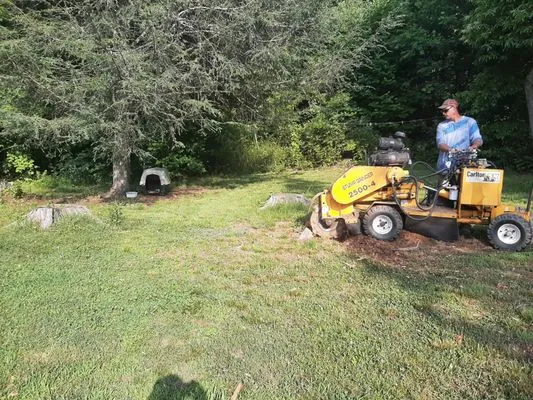
Smooth Cuts Stump Grinding is a family-owned and operated business serving Candler, NC, and the surrounding areas from Black Mountain to Waynesville. Our roots run deep in the Asheville region's tree ...
Estimated Landscaping Service Costs in Sylva, NC
Question Answers
Do I need a permit to regrade and landscape my quarter-acre lot?
Yes, significant grading, drainage work, or retaining walls over two feet typically require a permit from the Jackson County Planning Department. For any contracted work exceeding $30,000, state law mandates the contractor hold a license from the North Carolina Landscape Contractors' Licensing Board. This ensures they carry proper insurance and adhere to codes for erosion control and structural integrity, which is vital on sloped, erosion-prone properties.
My sloped yard washes out every heavy rain. What's a permanent solution?
High slope runoff is a primary hazard in Sylva's clay loam soils due to low permeability. A tiered approach using French drains, dry creek beds with local Blue Ridge granite, and strategic regrading captures and redirects water. Permeable granite paver patios or walkways can also reduce sheet flow. The Jackson County Planning Department requires engineered plans for significant grading to ensure runoff meets post-construction volume standards.
How fast can you respond for an urgent HOA compliance cleanup?
For emergency storm debris removal or violation notices, our electric fleet allows dispatch within the 7:00 AM noise ordinance window. Routing from the Sylva Historic Courthouse via US-23/US-74 enables a consistent 20-30 minute peak response to most Downtown lots. We prioritize these calls to manage erosion and fire risk from windfall in the Wildland-Urban Interface before further property damage occurs.
What are low-maintenance alternatives to my high-input lawn?
Transitioning perimeter zones to a xeriscape of native plants like Mountain Laurel, Purple Coneflower, and Switchgrass drastically reduces water, mowing, and chemical inputs. This biodiverse planting is adapted to the acidic soil and local climate. It also future-proofs your property against tightening noise ordinances, as these plantings require no gas-powered leaf blowers and support 2026 pollinator habitat targets.
What invasive species should I watch for, and how do I treat them safely?
Japanese knotweed and Chinese privet are prevalent invasive alerts in Jackson County. Manual removal and targeted cut-stump treatments with glyphosate in late summer are most effective. All treatments must follow North Carolina's Nutrient Management Guidelines, which prohibit phosphorus-containing fertilizers and have specific blackout dates for application to prevent watershed contamination. Always use a licensed applicator for herbicide use near property lines.
Can I keep my Tall Fescue healthy during summer without wasting water?
Yes, using a smart Wi-Fi ET-based irrigation controller is the standard for Zone 7a. This system uses local evapotranspiration data to apply only the precise water volume Tall Fescue needs, automatically pausing during rainfall. Under normal monitor-only restrictions, this technology maintains turf health while conserving municipal supply. Deep, infrequent watering cycles programmed by the controller encourage deeper root growth and drought resilience.
Is local granite better than wood for a new patio or retaining wall?
Local Blue Ridge granite pavers offer superior longevity and permeability compared to wood, which decays and requires chemical treatment. Granite's non-combustible nature is a critical asset for creating defensible space in a Moderate Fire Wise rated zone. Its thermal mass also moderates soil temperature, benefiting adjacent plantings. A properly installed dry-laid granite wall improves drainage without the frost-heave issues of concrete in our climate.
Why is the soil in my Downtown Sylva yard so compacted and sour?
Properties built around 1975, common in this area, have soils with over 50 years of development. The native acidic Ultisol clay loam has likely been stripped of topsoil and compacted by construction and routine mowing. This creates a dense layer with poor percolation, low organic matter, and a pH often below 6.0. Correcting this requires core aeration in fall and amendments with composted leaf mulch to increase permeability and microbial activity.
