Top Landscaping Services in Stanley, NC, 28120 | Compare & Call

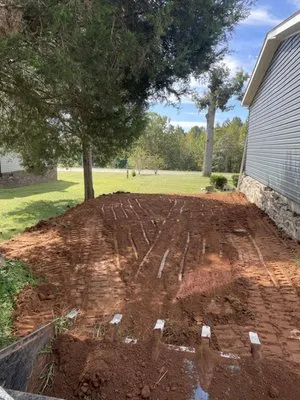
Dirt Done Right Excavating is a trusted local excavating and landscaping company serving Stanley, NC, and the surrounding communities. We specialize in solving the specific challenges faced by homeown...
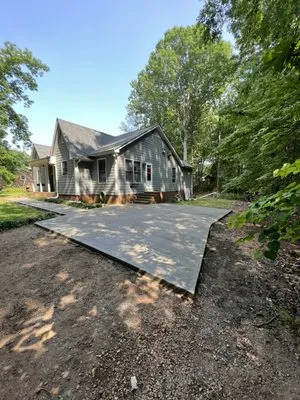
Earnhardt Landscaping & Hardscapes is a trusted, full-service contractor serving Stanley, NC, and the surrounding communities. We specialize in transforming outdoor spaces with comprehensive landscapi...
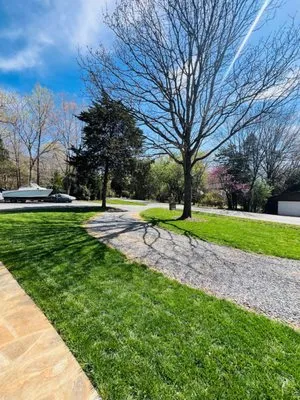
G&M Landscaping Service is a trusted, full-service landscaping company serving Stanley, NC, and the surrounding areas. We specialize in a wide range of services, including gardening, driveway and walk...

S&B Lawn Care is your local Stanley, NC partner for a healthy, beautiful outdoor space. As a newly established business, we bring a fresh, dedicated approach to landscaping, from foundational greensca...

Eagle Grass Cutting is a Stanley, NC-based landscaping company dedicated to solving common local lawn problems. We understand the challenges Stanley homeowners face, including poor yard drainage and p...

EnS Lawncare is a family-owned lawn service company based in Stanley, NC, dedicated to helping local families enjoy their outdoor spaces. We understand that a well-maintained yard is more than just gr...
Tru Turf Lawn Service is your trusted, local lawn care provider in Stanley, NC. We understand that many homeowners in our community face common issues like dead lawn patches and poor lawn grading, whi...

Blow By Lawn Service is a locally owned and operated business in Stanley, NC, run by Cody and Shawn Brown. We provide comprehensive lawn care and landscaping services to keep your property looking its...
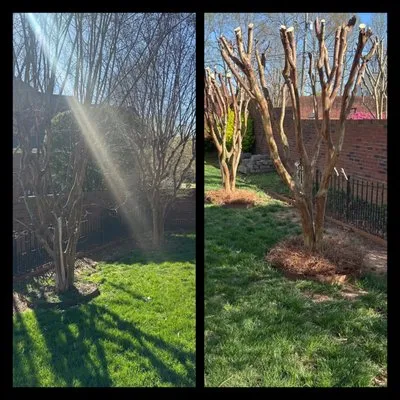
Colvin's Beautification is a trusted lawn care provider serving Stanley, NC homeowners. We specialize in comprehensive lawn maintenance to address common local landscaping challenges like persistent m...
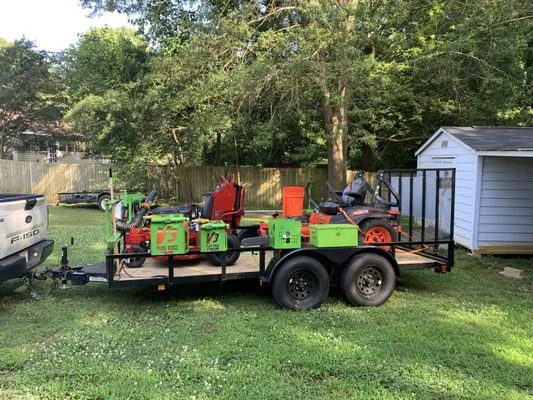
K M Lawn Services is a trusted lawn care provider serving Stanley, NC, dedicated to enhancing the beauty and health of local landscapes. We specialize in comprehensive lawn care solutions that directl...
Question Answers
How can I maintain my Tall Fescue lawn during Stanley's voluntary water conservation periods?
Smart Wi-Fi controllers with ET-based scheduling optimize irrigation by using real-time evapotranspiration data to match plant water needs. This technology reduces water usage by 20-30% compared to traditional timers while maintaining turf health. During Stage 1 voluntary conservation, these systems automatically adjust to municipal guidelines. Properly calibrated ET scheduling preserves Tall Fescue's cool-season growth patterns without exceeding Stanley's water allocation limits.
What low-maintenance alternatives work best for Stanley's climate instead of traditional lawn?
Transitioning to native plantings like Eastern Redbud, Purple Coneflower, and Switchgrass reduces maintenance by 60-80% compared to conventional turf. These species thrive in USDA Zone 8a with minimal irrigation once established. Native landscapes support local pollinators while eliminating weekly mowing requirements. This approach aligns with Stanley's transition toward electric equipment fleets and noise ordinance compliance for gas-powered blowers.
Are concrete pavers or wood decking better for long-term durability in Stanley?
Concrete pavers and local granite flagstone offer superior longevity with 25-30 year lifespans versus wood's 10-15 years in Stanley's climate. These materials require minimal maintenance and won't rot or warp. For properties in Moderate Fire Wise zones, non-combustible hardscapes provide essential defensible space around structures. The initial investment in quality hardscape materials yields better long-term value with lower lifetime maintenance costs.
Why does my Stanley yard have such compacted, acidic soil that struggles to grow anything?
Downtown Stanley properties built around 1964 have soil that has matured for approximately 62 years. This extended timeframe has allowed Cecil Sandy Loam, an Ultisol with pH 5.5-6.0, to develop significant compaction from decades of foot traffic and minimal organic matter input. The high clay content in this soil type naturally reduces permeability over time. Core aeration with compost amendments is essential to improve soil structure and increase microbial activity for healthier plant growth.
What permits and licenses are needed for grading work on my Stanley property?
Grading on a 0.35-acre lot requires Town of Stanley Planning & Zoning Department approval for any significant earth movement. Contractors must hold North Carolina Landscape Contractors Licensing Board certification for projects exceeding $30,000 in value. Proper licensing ensures compliance with state erosion control standards and protects against liability issues. Unlicensed grading work can result in fines and mandatory restoration at the property owner's expense.
What's the best solution for the runoff problems in my Stanley backyard?
Cecil Sandy Loam's high clay content creates moderate runoff issues common in Stanley properties. Installing permeable concrete pavers or local granite flagstone allows water infiltration while meeting Town of Stanley Planning & Zoning Department runoff standards. These materials provide 30-40% better permeability than traditional concrete. Combining permeable hardscape with French drains addresses compaction issues and prevents erosion on sloped lots.
How quickly can you respond to an emergency tree cleanup after a storm in Stanley?
Emergency storm response typically requires 20-30 minutes during peak conditions. Our crews dispatch from Harper Park and travel via NC-27 to reach Downtown Stanley properties efficiently. This routing minimizes delays while ensuring compliance with Stanley's noise ordinance restrictions between 7:00 AM and 9:00 PM. We maintain electric equipment fleets specifically for rapid HOA compliance situations that require immediate attention.
How do I safely control invasive plants in my Stanley garden?
Common invasive alerts in Stanley include Japanese stiltgrass and Chinese privet, which compete with native species. Treatment requires careful timing outside NCDA&CS Nutrient Management Guidelines blackout dates, typically avoiding spring fertilizer applications. Manual removal combined with targeted organic herbicides prevents soil contamination. Regular monitoring prevents re-establishment while maintaining compliance with Gaston County's Moderate Fire Wise rating requirements for defensible space.
