Top Landscaping Services in Spruce Pine, NC, 28777 | Compare & Call

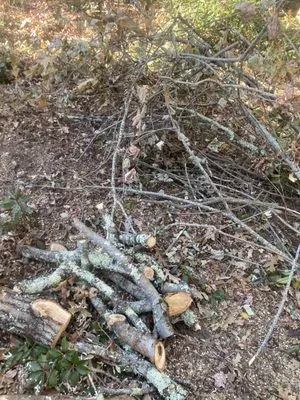
WNC Cruz Tree Service is a licensed, family-owned tree and landscape care provider serving Spruce Pine, Boone, Asheville, and the surrounding Western North Carolina communities. With a decade of hands...
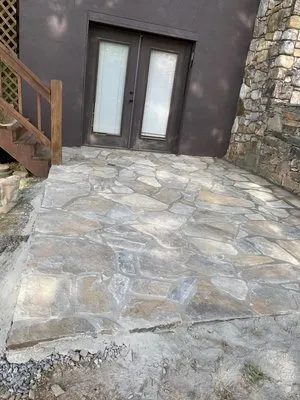
Justin's Landscaping & Stonework is a trusted, full-service landscaping company serving Spruce Pine, NC and the surrounding Blue Ridge Mountain communities. We specialize in comprehensive landscape co...

Mountaineer Hardscapes Landscapes
Mountaineer Hardscapes Landscapes has been a trusted name in Spruce Pine and the surrounding Blue Ridge communities since 1972. As a fully insured, locally-owned and operated company, we specialize in...
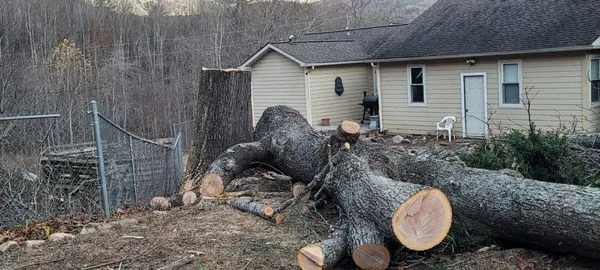
Nicolas Landscaping and Tree Service
Nicolas Landscaping and Tree Service is a trusted local provider in Spruce Pine, NC, established in 2016. We specialize in comprehensive lawn and tree care, offering services from routine maintenance ...
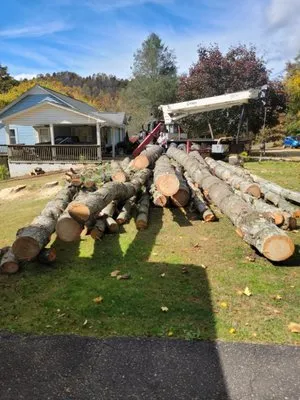
Ricos Tree and Landscaping is a trusted, locally-owned provider serving Spruce Pine, NC, and the surrounding High Country. We specialize in comprehensive tree care and landscape services, from routine...
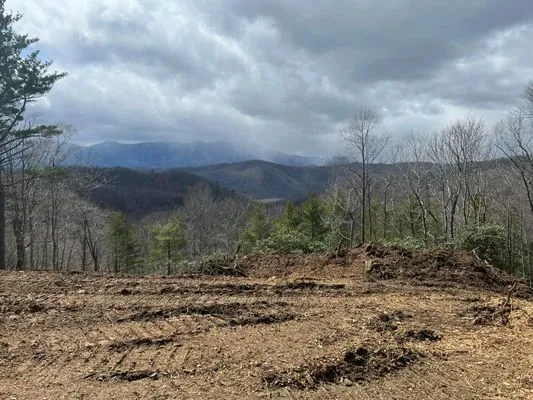
Adam Young Trucking & Grading
Adam Young Trucking & Grading is a trusted, locally-owned and operated business serving Spruce Pine and the surrounding North Carolina mountain communities. As a state-certified Level IV septic instal...

Jose & Son Landscaping and Construction
Jose & Son Landscaping and Construction is a trusted, locally-owned company serving Spruce Pine, NC, and the broader Mitchell and Yancey County area. With over 22 years of hands-on experience, we spec...
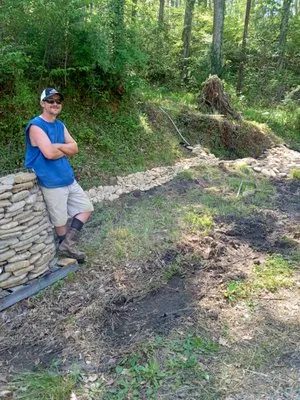
Kel's Outdoor Services and Landscaping
Kel's Outdoor Services and Landscaping is a full-service design and maintenance company serving Spruce Pine, NC, and the surrounding High Country. We specialize in transforming local yards with compre...
For over a decade, McKinneys Outdoor Service has been a trusted name for Spruce Pine homeowners facing common local yard challenges. Specializing in both landscaping and tree care, our team directly a...
Ray's Tree Service
Ray's Tree Service in Spruce Pine, NC, is a locally owned and operated business led by certified arborist Brandon Ray, who brings many years of hands-on expertise to every project. Specializing in com...
Q&A
What solutions prevent erosion on our steep mountainous slopes?
High erosion potential in acidic Ultisols requires graded swales and French drains to redirect surface flow. Permeable Blue Ridge Granite hardscaping increases infiltration rates while meeting Mitchell County Planning & Inspections runoff standards. Terracing with native stone reduces slope velocity, and deep-rooted native plantings stabilize soil structure against washout during heavy precipitation events.
Is local granite better than wood for mountain property hardscaping?
Blue Ridge Granite offers superior longevity with minimal maintenance compared to wood's decay susceptibility in humid conditions. Its non-combustible properties support Moderate (WUI Zone 2 Compliance) fire-wise ratings by creating defensible space around structures. Granite's thermal mass moderates temperature extremes while providing permanent erosion control on sloped sites without chemical treatments.
How can I reduce maintenance while supporting local ecology?
Replacing high-input turf areas with Rhododendron catawbiense, Mountain Laurel, and Flame Azalea creates low-maintenance native plant communities. These species require no gas-powered blowers, aligning with evolving noise ordinance restrictions, while supporting 2026 biodiversity standards. Bee Balm and Joe Pye Weed additions provide pollinator habitat and naturally suppress weeds through competitive growth.
How quickly can you respond to storm damage for HOA compliance?
Emergency cleanup crews dispatch from Riverside Park via US Highway 19E, reaching Downtown Spruce Pine properties within 20-30 minutes during peak response windows. We prioritize safety assessments before debris removal, coordinating with local utilities when necessary. Our electric equipment fleet operates within standard noise ordinance quiet hours (10 PM-7 AM) while maintaining compliance timelines.
What invasive species threaten Spruce Pine landscapes, and how are they managed?
Japanese stiltgrass and Oriental bittersweet pose significant invasion risks in Zone 6b. Manual removal before seed set combined with targeted organic herbicides during non-blackout periods controls spread without violating the Statewide Nutrient Management Strategy. We implement cultural practices like dense native plantings to outcompete invaders while maintaining soil health through BMP-compliant amendments.
Can I maintain healthy turf while following water conservation guidelines?
Smart Wi-Fi soil moisture sensor controllers optimize irrigation by tracking evapotranspiration rates and soil saturation levels. These systems deliver precise watering to Tall Fescue turf only when needed, typically reducing consumption 30-40% versus traditional schedules. During Normal (Voluntary Conservation) periods, this technology maintains turf health while staying well below municipal water limits through data-driven adjustments.
What permits and licenses are required for grading my 0.35-acre lot?
Mitchell County Planning & Inspections requires grading permits for any earth movement exceeding 100 cubic yards on 0.35-acre parcels. The North Carolina Landscape Contractors' Licensing Board mandates licensed professionals for structural modifications affecting drainage patterns. Unlicensed grading risks violation notices, as county inspectors verify proper erosion control measures and final grade elevations against submitted plans.
Why does my soil seem compacted and acidic even after years of gardening?
Spruce Pine's Downtown neighborhood lots, with average 1965 construction, have 61-year-old soil profiles in acidic Ultisols (pH 5.2-5.8). Decades of foot traffic and minimal organic input have reduced soil permeability below optimal levels. Core aeration combined with compost amendments addresses compaction while gradually raising pH toward neutral. This approach improves water infiltration and root development for established landscapes.
