Top Landscaping Services in Spring Lake, NC, 28307 | Compare & Call
There are 171 landscaping companies server in Spring Lake NC
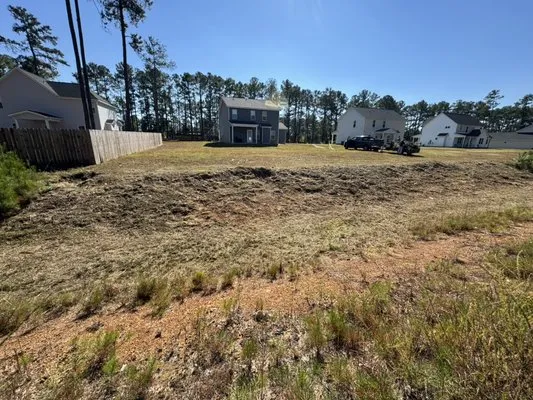
Green Haven Landscaping
Green Haven Landscaping is a family-owned and operated landscaping business serving Roseboro, NC, and surrounding Sampson County. We specialize in comprehensive landscaping and hardscaping solutions, ...
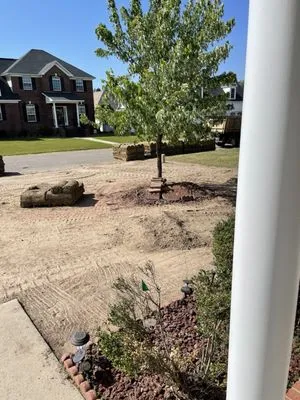
Ace Landscaping & Construction is your trusted local expert in Fayetteville, NC, specializing in comprehensive landscaping and masonry solutions. We understand the unique challenges homeowners face in...
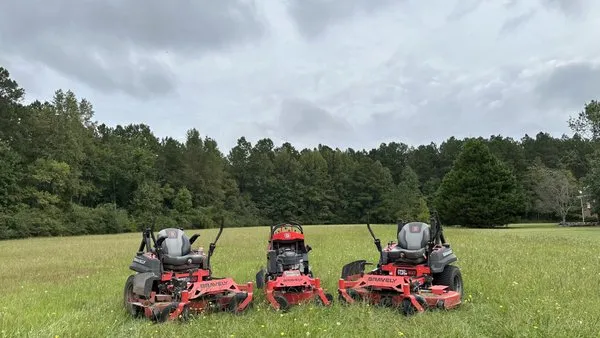
Anthony's Landscaping & Cleaning Service is a trusted local provider in Roseboro, NC, specializing in comprehensive landscaping and fencing solutions. We help homeowners address common local issues li...
Smith's Lawn & Tree
Smith's Lawn & Tree is a trusted, full-service landscaping company serving Fayetteville, NC, and the surrounding communities. We provide comprehensive care for your property year-round, from meticulou...

Do It All Landscaping is a trusted local landscaping company serving Fayetteville, NC, dedicated to transforming outdoor spaces with professional care. We specialize in addressing common local issues ...
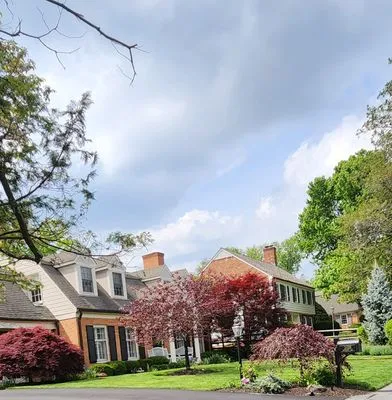
For over two decades, Scotland County Landscaping has been a trusted family business in Laurinburg, built on a genuine passion for the craft and a commitment to personal service. We don't see our clie...
Hernandez Landscaping is a trusted, locally owned and operated business serving the Fayetteville and Cumberland County community for over a decade. We specialize in both residential and commercial lan...
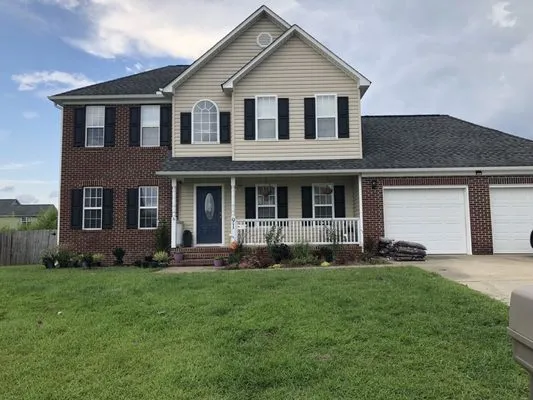
Mother Nature's Lawns & Landscapes is a trusted, locally-owned landscaping company serving Spring Lake, NC, and the surrounding areas. We specialize in creating and maintaining healthy, beautiful outd...

Kona Lawn Care provides professional lawn services to Fayetteville, NC, helping homeowners tackle the area's common landscaping challenges. We specialize in comprehensive lawn care that directly addre...

Green Garden Landscaping
Green Garden Landscaping has been a trusted part of the Sanford community since 2009, providing reliable lawn care and landscaping solutions. Founded by an owner with over a decade of hands-on experie...
Estimated Landscaping Service Costs in Spring Lake, NC
FAQs
What's causing standing water in my yard after moderate rainfall?
Ultisol sandy loam in Spring Lake exhibits slow infiltration rates due to clay accumulation in subsurface layers. This creates seasonal high water table conditions where precipitation cannot percolate effectively. Installing permeable concrete pavers for walkways and patios increases surface permeability while meeting Town of Spring Lake Planning & Inspections runoff standards. French drains connected to dry wells provide additional subsurface drainage capacity for 0.35-acre properties.
How can I maintain my Tall Fescue lawn during Stage 1 water restrictions?
Wi-Fi ET-based weather sensing irrigation systems calculate evapotranspiration rates specific to Spring Lake's microclimate. These systems automatically adjust watering schedules based on real-time weather data, applying only the necessary moisture for turf health. This technology typically reduces water usage by 20-30% while preserving Tall Fescue or Centipedegrass vigor. Municipal water limits become manageable when irrigation aligns precisely with plant needs rather than fixed schedules.
How quickly can you respond to an emergency tree cleanup after a storm in Spring Lake?
Our electric maintenance fleet can dispatch from Anderson Creek Park within minutes, using NC-24/87 for optimal routing to Spring Lake Heights. During peak storm conditions, arrival typically occurs within 20-30 minutes. This rapid response helps prevent property damage and ensures compliance with HOA requirements for debris removal. Electric equipment operates quietly within Spring Lake's noise ordinance hours of 9 PM to 7 AM.
What landscape changes should I consider as Spring Lake transitions to electric equipment?
Replacing high-maintenance turf areas with native plantings like American Beautyberry, Eastern Redbud, Switchgrass, and Black-eyed Susan reduces mowing frequency and associated noise. These adapted species require minimal irrigation once established, aligning with 2026 biodiversity standards. The transition to electric maintenance fleets makes gas-powered blowers obsolete for leaf management in noise-restricted hours. Native plant communities also support local pollinator populations while reducing overall maintenance inputs.
Why does my Spring Lake Heights yard have such compacted soil that won't absorb water?
Most Spring Lake Heights properties were developed around 1996, giving the soil approximately 30 years to mature. Ultisol sandy loam naturally compacts over time, especially with routine foot traffic and equipment use. This soil type's pH range of 5.5-6.0 can limit microbial activity that maintains soil structure. Core aeration combined with organic amendments like composted pine bark will improve permeability and address the seasonal high water table issues common in this neighborhood.
What permits and licenses are required for regrading my 0.35-acre property?
Grading work exceeding 100 cubic yards on a 0.35-acre lot requires an erosion control permit from the Town of Spring Lake Planning & Inspections. The contractor must hold active licensing through the North Carolina Landscape Contractors' Licensing Board, specifically for grading and drainage work. These regulations ensure proper sediment control measures protect Anderson Creek watersheds. Unlicensed grading can result in significant fines and mandatory restoration orders, particularly in areas with existing drainage challenges.
Are concrete pavers better than wood for outdoor living spaces in Spring Lake?
Concrete pavers offer superior longevity with minimal maintenance compared to wood decking in Spring Lake's humid climate. Their non-combustible nature contributes to defensible space requirements in Moderate Fire Wise WUI Zone 2 areas. Properly installed paver systems allow for soil permeability while withstanding freeze-thaw cycles common in Zone 8a. Unlike wood, concrete requires no chemical treatments that could leach into the Ultisol sandy loam, making it more environmentally sustainable for long-term installation.
How do I control invasive species without violating fertilizer regulations?
Japanese stiltgrass and Chinese privet present significant invasive threats in USDA Zone 8a. Treatment requires precise timing outside North Carolina's phosphorus limitation blackout dates, typically avoiding application before heavy rainfall events. Mechanical removal combined with targeted organic herbicides prevents soil disturbance that exacerbates erosion. Always verify treatment windows with the North Carolina Landscape Contractors' Licensing Board to ensure compliance with General Statute 143-215.1 while protecting native plant communities.
