Top Landscaping Services in Spring Hope, NC, 27882 | Compare & Call


Gold Valley Landscapes
Gold Valley Landscapes is a locally owned landscaping, irrigation, and masonry company serving Spring Hope, NC. We specialize in creating and maintaining beautiful outdoor spaces through services like...
T&L Baker Lawn Care is a Spring Hope-based landscaping company dedicated to helping local homeowners maintain beautiful, healthy yards. We specialize in addressing the common challenges faced in our a...
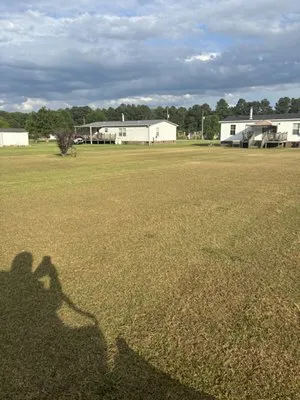
At Spruills Lawn Care in Spring Hope, we believe every yard tells a story, and we're here to help write yours. Our approach is built on a simple promise: dedicated, attentive care for every single law...

We Care in Spring Hope, NC, is your dedicated local lawn service provider, focused on creating and maintaining healthy, beautiful outdoor spaces. We understand the common local challenges homeowners f...
Greenworx Unlimited
Greenworx Unlimited is your trusted, local partner for comprehensive lawn and tree care in Spring Hope, NC. We understand that local homeowners often face challenges like soil compaction and poor yard...
Landa Landscaping & Home is a trusted, locally-owned landscaping company serving Spring Hope and the surrounding communities. We understand the unique challenges of our area, including common yard dra...
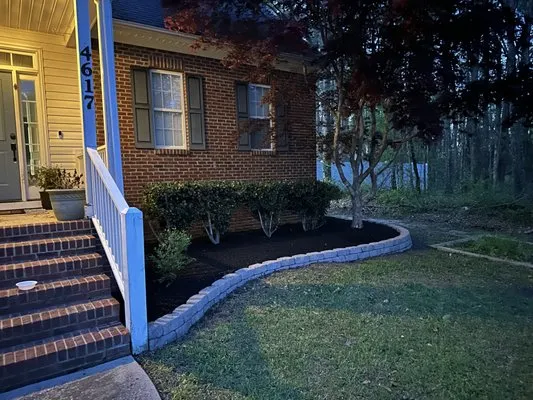
Pérez Landscaping is your local lawn care expert serving Spring Hope, NC. We understand the common challenges homeowners face, from standing water in yards after heavy rains to damaged landscape edgin...
Pantego Overhead Doors is a family-owned and operated business with deep roots in the region, established in 1965. For decades, the founding family has built a reputation for specializing in a compreh...
Vic's Tree Service is your trusted local partner in Spring Hope, NC, for comprehensive property care. As a locally owned and insured business, we specialize in merging expert tree care with durable co...

Jimmie Artis Grass Cutting and Leaves Services is a trusted local lawn care provider in Spring Hope, NC, specializing in keeping yards healthy and well-maintained. We understand the common landscaping...
Common Questions
How do I maintain Tall Fescue or Centipede grass during Stage 1 water restrictions?
Soil-moisture sensor-based smart controllers optimize irrigation by measuring actual soil conditions rather than following fixed schedules. These systems reduce water use 20-40% while preserving turf health by applying water only when ET rates indicate need. For Spring Hope's sandy loam soil, sensors prevent overwatering that leads to nutrient leaching. Municipal water limits are maintained through precise application timing that aligns with cool-season or warm-season grass dormancy patterns.
How can I reduce maintenance while preparing for potential gas-blower restrictions?
Replacing high-maintenance turf with native plantings like American Beautyberry and Eastern Redbud creates self-sustaining landscapes. These species require minimal irrigation once established and provide year-round habitat value. Transitioning to electric maintenance equipment now positions properties ahead of potential noise ordinance expansions. Joe-Pye Weed and other natives support 2026 biodiversity standards while eliminating weekly mowing cycles from April through October.
What permits and licensing are required for grading work on a 0.35-acre Spring Hope property?
Grading projects exceeding 100 cubic yards of earth movement require Nash County Planning & Inspections permits with engineered drainage plans. Contractors must hold North Carolina Landscape Contractors' Licensing Board certification for earthwork exceeding $30,000 in value. On 0.35-acre lots, professional licensing ensures proper slope stabilization and erosion control during construction. Unlicensed grading risks violation notices and may void property insurance coverage for drainage-related damage.
How do concrete pavers compare to wood for durability in Spring Hope's climate?
Concrete pavers or local granite aggregate provide superior longevity to wood in Spring Hope's humid subtropical climate. These materials resist moisture damage and insect infestation while maintaining structural integrity for 25+ years. For properties with Moderate Firewise ratings, non-combustible hardscapes create defensible space zones. Permeable paver installations meet runoff management requirements while supporting load-bearing needs for vehicle and foot traffic areas.
What solutions address moderate runoff from seasonal high water tables in Spring Hope?
Ultisols with sandy loam composition have moderate permeability that creates seasonal drainage challenges. French drains with clean aggregate and permeable concrete pavers increase infiltration rates while meeting Nash County Planning & Inspections runoff standards. Grading modifications that direct water away from foundations should maintain minimum 2% slope. For properties near the seasonal water table, rain gardens with Swamp Milkweed provide both drainage and habitat value.
How quickly can you respond to emergency storm damage for HOA compliance in Downtown Spring Hope?
Emergency cleanup crews dispatch from the Spring Hope Depot Museum area via US Highway 64 with 20-30 minute peak response times. This routing prioritizes access to Downtown Spring Hope neighborhoods while accounting for post-storm traffic patterns. Crews carry electric chainsaws and battery-powered blowers to operate within noise ordinance hours (9:00 PM to 7:00 AM restricted). Documentation for HOA compliance includes timestamped arrival photos and debris management plans.
Why does my 1970s-era Spring Hope lawn struggle with compaction and poor drainage?
Downtown Spring Hope properties built around 1970 have 56-year-old soil profiles with Ultisols, acidic sandy loam that naturally compacts over decades. This soil type develops hardpan layers that restrict root penetration and water percolation. Core aeration with organic amendments like composted pine bark improves soil structure and permeability. Regular soil testing maintains the optimal pH range of 5.5-6.0 for nutrient availability in this USDA Zone 8a environment.
What invasive species threaten Spring Hope landscapes and how are they managed safely?
Japanese stiltgrass and Chinese privet present significant invasive risks in USDA Zone 8a. Manual removal before seed set combined with targeted herbicide applications during dormancy periods controls spread without violating phosphorus application restrictions near waterways. Treatment timing avoids blackout dates specified in statewide fertilizer ordinances. Regular monitoring prevents establishment while preserving soil microbiology through minimal disturbance approaches.
