Top Landscaping Services in Sneads Ferry, NC, 28460 | Compare & Call

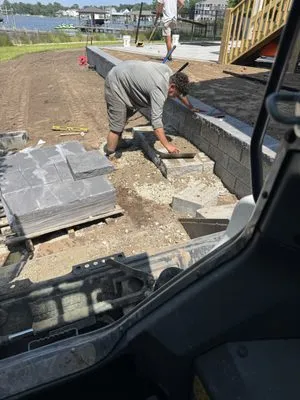
B A H Landscapes & Hardscapes is a full-service outdoor contractor serving Sneads Ferry and the surrounding coastal communities. Specializing in landscaping, hardscaping, and irrigation, we build and ...
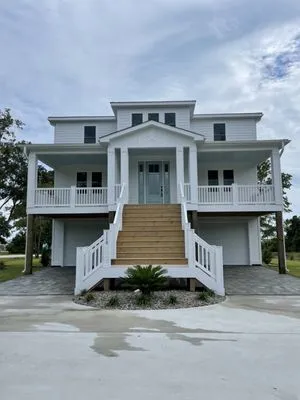
Based in Sneads Ferry, NC, 110% Landscaping is a full-service outdoor contractor serving the Topsail Island area since 2017. With over 15 years of combined industry experience, we specialize in transf...
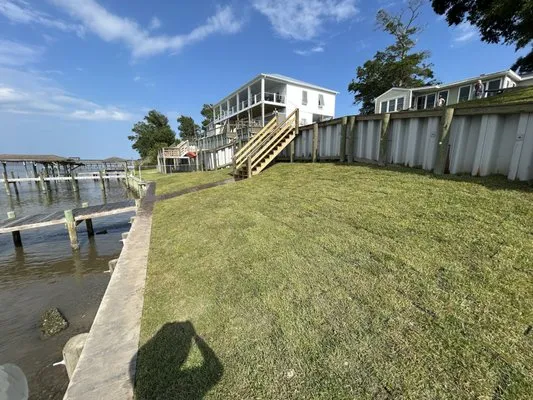
Top Notch Landscape is a full-service landscaping company serving Sneads Ferry, NC, and surrounding areas. We specialize in transforming outdoor spaces with comprehensive services including artificial...
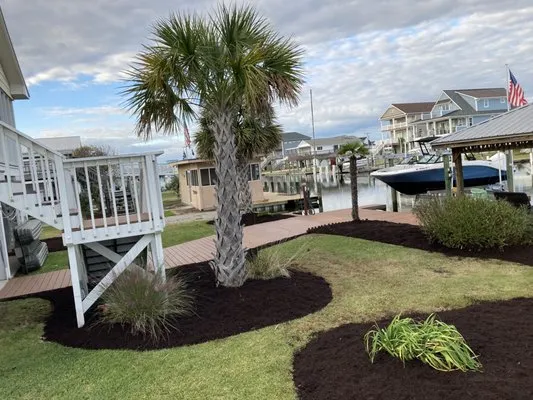
Coastal Elite Services is a veteran-owned business in Sneads Ferry, NC, founded in 2021 by Justis, a Marine Corps veteran. Combining military discipline with hands-on expertise in landscaping, pressur...
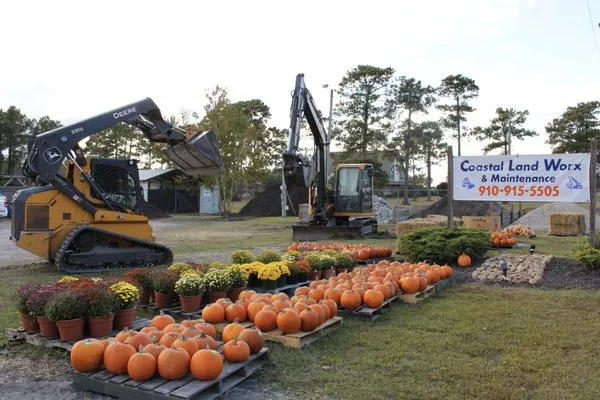
Coastal Land Worx & Maintenance
Coastal Land Worx & Maintenance is a family-owned and operated land-works company serving Sneads Ferry, NC, since 2016. We specialize in comprehensive landscaping, tree services, and landscape design,...
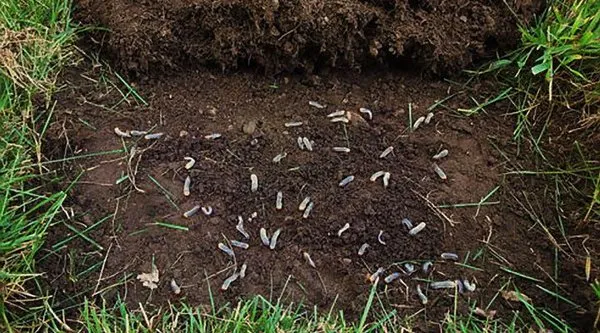
Green Machine Turf Management is a family-owned lawn care service deeply rooted in the Sneads Ferry, Topsail, and Jacksonville communities. With over 20 years of experience tending to our local soils ...
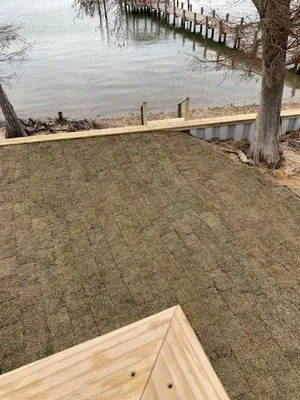
Halls Quality Tractor Service & Landscaping is a family-owned landscaping business serving Sneads Ferry, NC, since 2001. We specialize in comprehensive landscape solutions, including irrigation design...
Carolina Odd Jobs is your Sneads Ferry neighbor for reliable outdoor solutions, specializing in landscaping, decks, railing, and fences. We understand the unique coastal challenges of our area, includ...

110 Percent Landscaping is a Sneads Ferry, NC-based company dedicated to solving common local landscaping challenges. We specialize in comprehensive services from landscape design and construction to ...
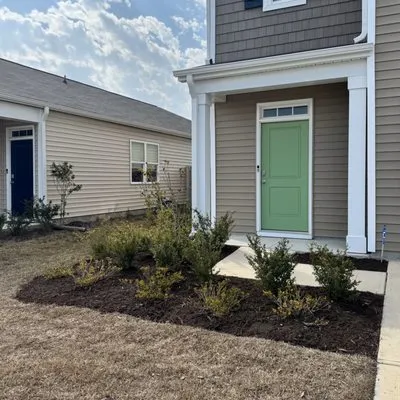
Rooted Property Services
Rooted Property Services is a veteran- and family-owned business proudly serving Sneads Ferry, Hampstead, Topsail, Jacksonville, and Wilmington. Founded by a local veteran, the company was built on th...
Questions and Answers
How can we keep our lawn healthy during voluntary water conservation periods?
Under Stage 1 voluntary conservation, efficient irrigation is critical. Smart Wi-Fi ET-based controllers are the solution, automatically adjusting schedules based on real-time evapotranspiration data from local weather stations. This technology applies water only when the lawn needs it, preventing overwatering that exacerbates our area's high water table. For Centipede grass, which is drought-tolerant, this system can reduce water use by 20-30% while preserving turf health, keeping you well within recommended municipal limits.
Our yard floods after typical summer rains. What's the best long-term fix?
Flooding is common here due to Leon Fine Sand's poor infiltration over a naturally high water table. The solution combines graded shallow swales to direct water and a replacement of impervious surfaces with permeable concrete pavers. These pavers allow stormwater to infiltrate on-site, reducing runoff volume and meeting Onslow County Planning & Development standards. For severe cases, a dry well or French drain system may be necessary to capture and slowly disperse water into the subsoil.
We see a fast-spreading vine taking over a shrub bed. How should we handle it?
A rapid-spreading vine is likely an invasive species such as Japanese Honeysuckle or Carolina Jessamine. Manual removal is safest for established landscapes; ensure all root fragments are extracted. For persistent issues, a targeted, systemic herbicide applied by a licensed professional may be necessary. All treatments must comply with North Carolina's statewide Phosphorus Restrictions (Session Law 2011-394), which prohibit phosphorus-containing fertilizers unless a soil test confirms deficiency, and adhere to any local application blackout dates.
We're adding a patio. Are permeable pavers worth the extra cost over wood?
Permeable concrete pavers provide superior longevity and functionality compared to wood in Sneads Ferry's humid, saline environment. They will not rot, warp, or require chemical treatments. Their permeability directly mitigates local drainage hazards and supports community stormwater management goals. Furthermore, they contribute to a Fire Wise Moderate (WUI Zone 2) rating by creating a stable, non-combustible defensible space, an important consideration for coastal properties.
We want to regrade our yard to improve drainage. What permits and qualifications should we look for?
Regrading a 0.35-acre lot typically requires a Land Disturbance Permit from Onslow County Planning & Development, as it alters stormwater flow patterns. The contractor must hold a valid license from the North Carolina Landscape Contractors' Licensing Board, specifically for grading and drainage work. This ensures they are bonded, insured, and knowledgeable about state sedimentation control laws. Always verify this license before signing a contract, as improper grading can create drainage liabilities for you and your downstream neighbors.
A storm knocked down branches, and our HOA requires a quick cleanup. How fast can you respond?
For emergency storm cleanup to maintain HOA compliance, our electric fleet allows dispatch during noise ordinance hours (7:00 AM to 10:00 PM). A crew would route from the Sneads Ferry Community Center, taking NC Highway 172 directly into North Topsail Shores. Accounting for post-storm traffic and debris, we plan for a 45 to 60-minute arrival window. We prioritize securing the site and removing trip hazards before beginning systematic debris processing and removal.
Our lawn struggles despite regular care. Could the soil be the issue?
Properties in North Topsail Shores, developed around 1990, have Leon Fine Sand soil that is now 36 years post-construction. This soil is naturally acidic, with a pH of 4.5-5.5, and has become heavily compacted from decades of foot traffic and standard maintenance. The low organic matter and poor structure severely limit root penetration and water infiltration. A soil test is the first step, followed by core aeration and amending with composted organic matter to rebuild soil biology and improve permeability for your Centipede or St. Augustine turf.
We want to reduce mowing and maintenance. Are native plants a good option?
Transitioning to a landscape anchored by natives like Yaupon Holly, Wax Myrtle, and Coastal Blanketflower significantly reduces water, fertilizer, and maintenance inputs. This xeriscape approach creates a resilient, biodiverse habitat that outperforms turf in our sandy, acidic soil. It also future-proofs your property against evolving noise ordinances targeting gas-powered blowers and mowers. An electric maintenance fleet can quietly handle the limited seasonal pruning these plants require.
