Top Landscaping Services in Sanford, NC, 27330 | Compare & Call
There are 199 landscaping companies server in Sanford NC
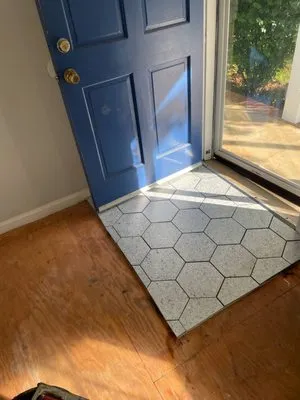
J&G is a Sanford-based, family-owned business that provides dependable lawn care, flooring, and tile services. We believe in straightforward, honest work without the gimmicks. Our team shows up on tim...
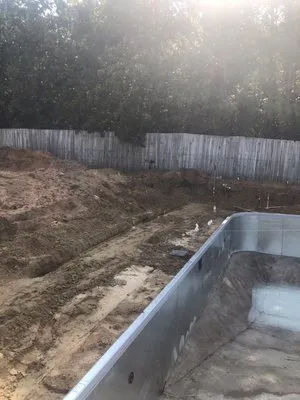
A & A Landscape Services is a trusted lawn care provider serving Sanford, NC, specializing in comprehensive lawn maintenance and irrigation solutions. We understand the unique challenges faced by loca...
Southern Land Pros is a full-service landscaping company serving Sanford, NC, specializing in comprehensive outdoor solutions including landscaping, irrigation, and lighting. We help Sanford homeowner...
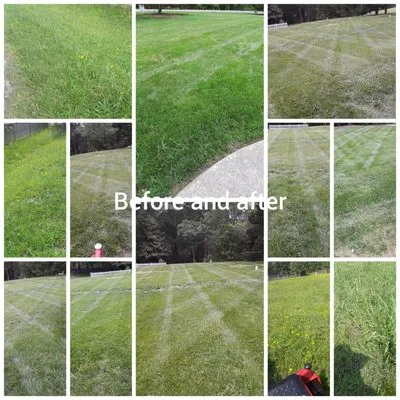
AJ Lawn Care is a trusted local lawn service provider in Sanford, NC, dedicated to helping homeowners maintain healthy, beautiful yards. We specialize in comprehensive lawn care solutions that directl...
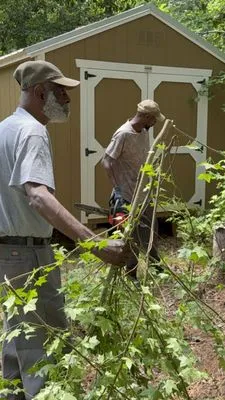
Belk in a Box is your trusted local partner for keeping your Sanford, NC property in excellent condition. We specialize in comprehensive lawn care and cleaning services for both homes and businesses. ...
Lawn And Garden Tilling Service in Sanford, NC, is your local partner for transforming challenging landscapes into healthy, usable outdoor spaces. We understand that many Sanford properties face issue...
Lawn & Garden Supreme Yard is a trusted lawn care provider serving Sanford, NC, and the surrounding Lee County communities. We specialize in comprehensive lawn care services designed to address the sp...
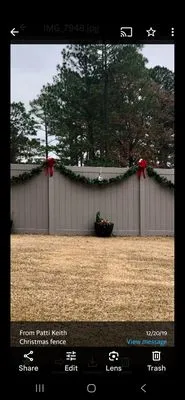
Fence Works Of Lee County
Fence Works Of Lee County is a trusted local business in Sanford, NC, specializing in comprehensive fencing and landscaping solutions. With expertise in fence and gate installation, repair, and landsc...
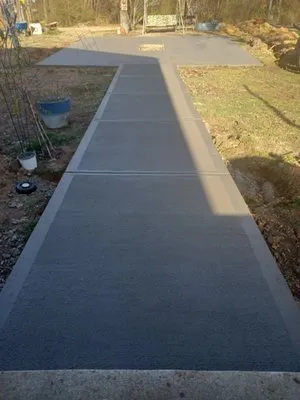
Metro Mowing NC is a Sanford-based landscaping and outdoor construction company with over two decades of dedicated service to Lee County and surrounding communities. We specialize in transforming outd...
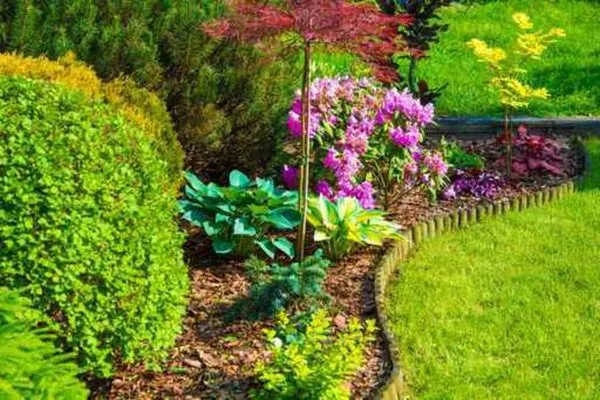
New Hanover Landscaping serves Sanford, NC, with comprehensive landscaping and irrigation solutions. We specialize in transforming outdoor spaces through professional design, construction, and mainten...
Estimated Landscaping Service Costs in Sanford, NC
Common Questions
What invasive species should I watch for and how do I manage them safely?
Japanese stiltgrass and Chinese privet pose significant threats in USDA Zone 8a. Manual removal before seed set proves most effective, avoiding chemical treatments during NC DWR nutrient management blackout dates. For persistent infestations, targeted glyphosate applications in fall minimize non-target impacts. Always follow statewide phosphorus restrictions for turf areas and consider soil testing before any treatment.
Can I maintain healthy turf while following Sanford's water conservation guidelines?
Wi-Fi ET-based weather sensing irrigation systems optimize Tall Fescue or Centipedegrass health within voluntary conservation limits. These systems calculate evapotranspiration rates daily, adjusting runtime to deliver precise moisture levels. This technology reduces water use 20-30% compared to traditional timers while preventing drought stress. During normal operations, deep, infrequent watering encourages deeper root systems that better withstand dry periods.
How can I reduce lawn maintenance while supporting local ecology?
Replacing high-maintenance turf with native plantings like Eastern Redbud, Flowering Dogwood, and Switchgrass creates resilient landscapes. These species require minimal watering once established and support pollinators year-round. This approach reduces weekly mowing needs while staying ahead of potential gas-blower restrictions under noise ordinances. Beautyberry and Purple Coneflower add seasonal interest with virtually no chemical inputs.
What permits and licenses are needed for grading my 0.25-acre lot?
Grading work on 0.25-acre lots requires permits from Sanford Planning & Development Department for erosion control and drainage compliance. Contractors must hold North Carolina Landscape Contractors Licensing Board certification for earthmoving exceeding certain volumes. This ensures proper stormwater management and prevents downstream sedimentation. Unlicensed grading can result in fines and mandatory restoration orders.
How quickly can you respond to emergency storm damage for HOA compliance?
Emergency cleanup crews dispatch from the Temple Theatre area via US-1, reaching Downtown Sanford properties within 20-30 minutes during peak response times. This routing avoids residential congestion while maintaining compliance with municipal noise hours from 7 AM to 9 PM. We prioritize safety assessments before debris removal, coordinating with local utilities when necessary.
Are concrete pavers better than wood for Sanford patio installations?
Concrete pavers and local granite offer superior longevity to wood in Sanford's climate, with 30+ year lifespans versus wood's 10-15 years. These materials maintain structural integrity through freeze-thaw cycles common in Zone 8a. For properties with moderate Firewise ratings, non-combustible hardscapes create defensible space around structures. Properly installed permeable systems also address runoff requirements without supplemental watering.
Why does my Sanford yard have such compacted soil that won't drain properly?
Downtown Sanford properties built around 1984 have 42-year-old Ultisols soil systems. These sandy loam soils with pH 5.5-6.5 naturally compact over decades, especially with high clay content subsoil common in this area. The soil structure has degraded, reducing permeability and creating moderate runoff issues. Core aeration with organic amendments like composted pine bark can restore soil biology and improve water infiltration.
What's the best solution for yard drainage problems in Sanford's clay-heavy soil?
Moderate runoff in Ultisols soils requires addressing both surface and subsurface drainage. Permeable concrete pavers or local granite installations meet Sanford Planning & Development Department runoff standards by allowing water infiltration. French drains with clean gravel and geotextile fabric redirect subsurface water away from foundations. These systems work with the soil's natural 5.5-6.5 pH range rather than against it.
