Top Landscaping Services in Rural Hall, NC, 27045 | Compare & Call
There are 202 landscaping companies server in Rural Hall NC
Southern Sodgrass and Landscape Supply LLC is a Colfax-based landscaping company dedicated to transforming outdoor spaces across North Carolina's Triad region. With a focus on both residential and com...

Case Landscaping is a family-owned and operated landscaping company proudly serving Thomasville, NC, and the surrounding communities. Founded in 2022, our mission is straightforward: to create simple,...

Tender Lawn Care is a local landscaping company serving Colfax, NC, dedicated to transforming and maintaining the health of your outdoor spaces. We specialize in expert gardening and comprehensive lan...
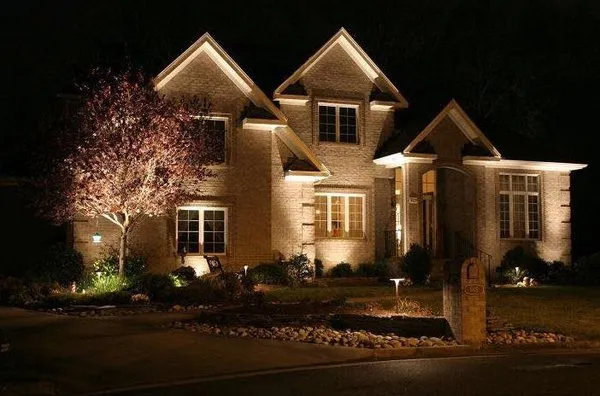
Lawn Care Creations is a family-owned and operated business serving Pilot Mountain and the surrounding Triad region since 2012. Founded on a commitment to quality and personal service, owner Kyle is o...
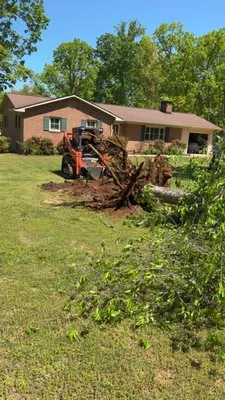
Create A Place Landscaping and Tree Service is your local, family-owned partner for enhancing Lexington's outdoor spaces. Our dedicated team brings a passion for quality workmanship and careful attent...
GLS Landscaping and Maintenance
Serving the Piedmont Triad and Triangle areas since 2009, GLS Landscaping and Maintenance is your local, full-service partner for both residential and commercial outdoor needs. Based near Greensboro a...
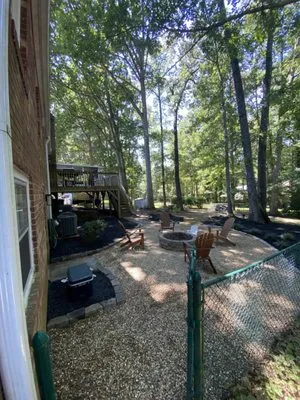
Bumgardner Lawn & Landscaping is a Kernersville-based company founded on a deep understanding of plant sciences and turf grass management. Owner Tyler Bumgardner applies his formal education in these ...
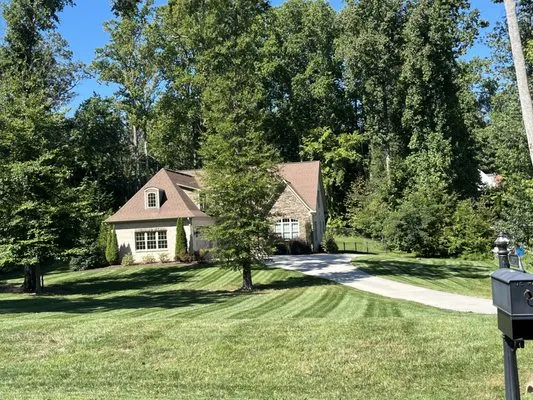
K&S Landscaping is a trusted, full-service provider for homeowners in Kernersville, NC, dedicated to creating and maintaining healthy, beautiful outdoor spaces. We understand that many local homes fac...

Sweeps began as a student-run cleaning service in Raleigh and has grown into a trusted local resource, now proudly serving Greensboro. Founded by students from UNC and NCSU, our mission is to tackle s...
Wallburg Tree Service is a locally owned and operated company based in Wallburg, NC, proudly serving High Point, Kernersville, Winston-Salem, and the surrounding communities. We are a licensed and ful...
Estimated Landscaping Service Costs in Rural Hall, NC
Common Questions
What permits and licensing are required for grading work on my 0.35-acre Rural Hall property?
Forsyth County Planning and Development Services requires grading permits for earthmoving exceeding 50 cubic yards on 0.35-acre lots. Contractors must hold North Carolina Landscape Contractors Licensing Board certification for projects involving drainage modifications or structural changes. This ensures compliance with erosion control standards and proper stormwater management. Unlicensed grading risks fines up to $5,000 and mandatory restoration orders from county inspectors.
Why choose concrete pavers or local granite over wood for durable hardscaping in Rural Hall?
Concrete pavers and local granite offer 25+ year lifespans versus wood's 8-12 years in Zone 7b's freeze-thaw cycles. These non-combustible materials contribute to Moderate Firewise USA ratings by creating defensible space around structures. Their thermal mass moderates microclimate extremes while requiring zero chemical treatments. Properly installed with permeable bases, they withstand soil movement better than wood in acidic Cecil Sandy Loam conditions.
What solutions address drainage problems caused by high clay content in Rural Hall's acidic soils?
Cecil Sandy Loam's clay fraction creates compaction susceptibility that impedes water movement through the soil profile. Installing permeable concrete pavers or local granite with gravel bases increases surface infiltration rates by 40-60%. These materials meet Forsyth County Planning and Development Services' runoff standards while complementing existing hardscapes. For severe cases, French drains with clean stone aggregate provide subsurface relief without disturbing established landscape features.
How quickly can you respond to emergency storm damage cleanup for HOA compliance in Rural Hall?
Our electric maintenance fleet can dispatch from Rural Hall Town Hall within 20-30 minutes during peak response windows, traveling via US-52 to minimize transit time. This rapid deployment ensures compliance with noise ordinances restricting operations between 10:00 PM and 7:00 AM. We prioritize safety assessments before debris removal, particularly for properties in the Moderate Firewise USA zones where fallen branches create additional fire hazards.
Why does my 1978-built home in Rural Hall Historic District have such compacted, acidic soil that struggles to support healthy turf?
Your property's soil has matured for 48 years since construction, allowing the native Cecil Sandy Loam to develop its characteristic acidic pH of 5.5-6.0. In the Rural Hall Historic District, decades of foot traffic and equipment use have increased clay compaction, reducing soil percolation. Core aeration with organic amendments like composted pine bark can improve permeability while gradually adjusting pH toward optimal turfgrass ranges. This addresses the fundamental soil structure issues common in neighborhoods with similar development timelines.
How do I control invasive species like Japanese stiltgrass without violating phosphorus restrictions?
Manual removal before seed set in early summer prevents Japanese stiltgrass establishment without chemical intervention. For persistent infestations, spot-treat with glyphosate alternatives during dry periods, avoiding statewide phosphorus restriction blackout dates typically in spring and fall. Improving soil health through mycorrhizae inoculants strengthens native plant competitiveness against invaders. This integrated approach manages invasives while maintaining compliance with North Carolina's fertilizer ordinances.
What native plant alternatives reduce maintenance while preparing for electric equipment mandates?
Transitioning from high-input turf to Eastern Redbud, Flowering Dogwood, Purple Coneflower, and Switchgrass creates resilient landscapes requiring minimal maintenance. These natives thrive in Zone 7b's climate and acidic soils without supplemental irrigation once established. This shift reduces mowing frequency and eliminates gas-powered blower use ahead of tightening noise ordinances. The resulting ecosystem supports local pollinators while cutting seasonal maintenance hours by approximately 60%.
How do I maintain Tall Fescue turf during voluntary water conservation periods in Rural Hall?
Smart Wi-Fi ET-based irrigation controllers automatically adjust watering schedules using real-time evapotranspiration data from local weather stations. These systems reduce water application by 20-30% compared to traditional timers while preserving turf health. During normal conservation periods, programming deeper, less frequent irrigation cycles encourages deeper root growth in Cecil Sandy Loam soils. This approach maintains turf quality while staying well within municipal water use guidelines.
