Top Landscaping Services in Rougemont, NC, 27572 | Compare & Call
There are 199 landscaping companies server in Rougemont NC
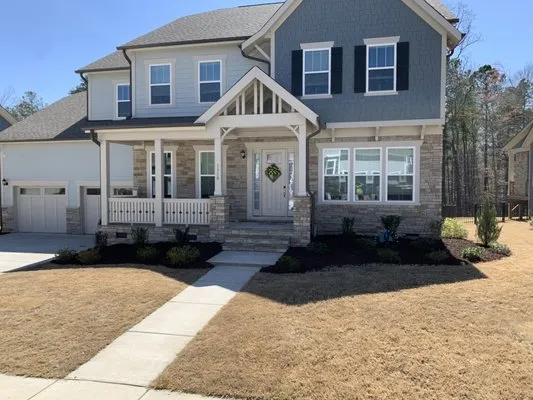
Frank's Lawn Care is a trusted, locally-owned service dedicated to keeping Hillsborough properties healthy and beautiful. We specialize in comprehensive lawn care and understand the common challenges ...
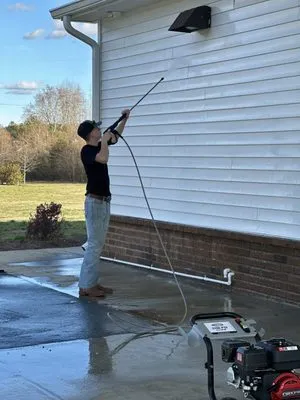
Solomon Carrillo, owner of Carrillo Services, brings over eight years of hands-on experience in landscaping, construction, and electrical work to the Clayton community. A true jack-of-all-trades, Solo...

Destra First is a family-owned and operated landscape architecture and design business serving the Raleigh/Durham area for over a decade, with over 30 years of combined industry experience. As a local...
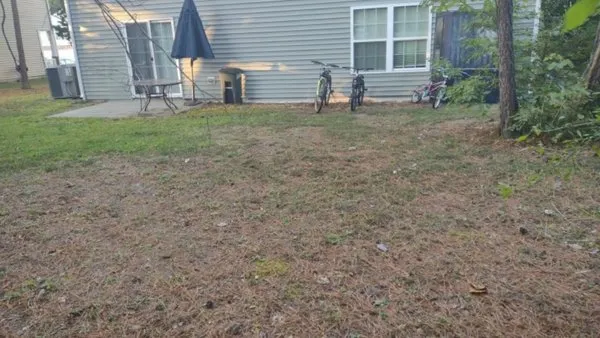
Joshua Quality Landscaping is a dedicated, locally-owned landscaping business serving the Creedmoor, NC area. We focus on providing reliable, professional solutions for both residential and commercial...
All Season Home Services is your locally owned and operated partner in Oxford, NC, dedicated to ensuring your home remains comfortable, safe, and well-maintained throughout the year. Our team prides i...
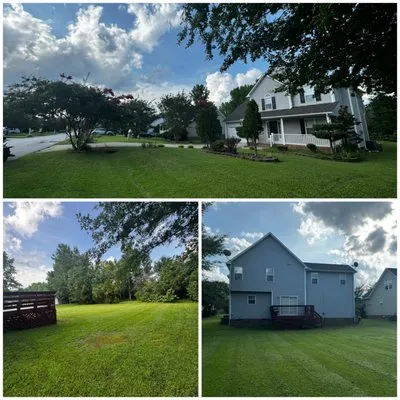
Eva Landscaping is your trusted local landscaping partner in Clayton, NC. We understand the common challenges Clayton homeowners face, such as patchy lawn grass struggling in our local soil conditions...
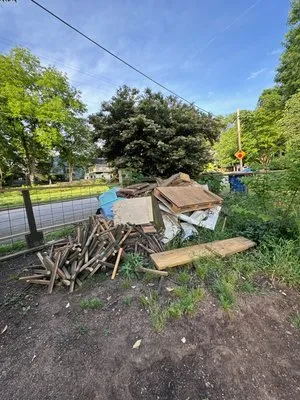
GreenSweep Solutions is a Raleigh-based lawn care and junk removal service founded by Nolen, who brings years of hands-on experience from his farm upbringing. We specialize in sustainable outdoor main...

Morgans Landscaping is a Wendell-based company providing comprehensive outdoor solutions for residential and commercial properties. We specialize in landscaping, demolition services, junk removal, and...

Carol Medrado is a full-service design and build firm serving Apex, NC, and the surrounding area. We specialize in creating cohesive living environments where the beauty and function of your indoor an...
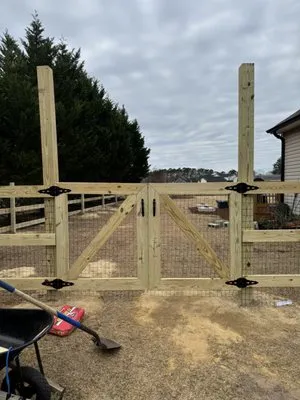
Dale Landscapes is a full-service landscaping company serving Apex, NC, and the surrounding Triangle area. We specialize in transforming outdoor spaces with a comprehensive range of services, from ini...
Estimated Landscaping Service Costs in Rougemont, NC
Questions and Answers
Why does my lawn have such poor drainage and compaction issues in Rougemont Village?
Rougemont homes built around 1991 have 35-year-old soil profiles. Cecil Sandy Clay Loam naturally compacts over decades, especially with acidic pH levels of 5.5-6.0. This soil type develops poor permeability as clay particles settle and organic matter decomposes. Core aeration with compost amendments addresses compaction while adjusting pH toward neutral. Regular soil testing every 2-3 years monitors these changes in established neighborhoods.
How quickly can you respond to emergency storm damage for HOA compliance?
Emergency cleanup crews dispatch from Little River Regional Park via US-501 within 45-60 minutes during peak conditions. This route optimizes access to Rougemont Village while avoiding congestion points. We prioritize safety assessments before debris removal, coordinating with local utilities when needed. Daytime operation restrictions from 7:00 AM to 9:00 PM guide our scheduling for noise-sensitive equipment.
How do I control invasive species without violating fertilizer regulations?
Japanese stiltgrass and Chinese privet pose significant threats in Rougemont's acidic soils. Manual removal before seed set prevents spread without chemical intervention. When herbicides are necessary, selective applications avoid phosphorus-containing products to comply with statewide limits. Treatment timing considers blackout dates and avoids peak growing seasons. Regular monitoring identifies new infestations before they establish extensive root systems.
What permits and licenses are required for grading my 1.5-acre property?
Durham County Inspections and Permits requires grading permits for earth moving exceeding 100 cubic yards. The North Carolina Landscape Contractors' Licensing Board mandates licensing for projects affecting drainage patterns or structural stability. On 1.5-acre lots, professional engineering may be required for slopes exceeding 3:1 ratios. Licensed contractors carry insurance covering erosion control measures and compliance with sediment pollution regulations.
Are permeable pavers better than wood for durability and fire safety?
Permeable concrete pavers and fieldstone outperform wood in longevity, with 25+ year lifespans versus wood's 10-15 years with maintenance. These materials create defensible space meeting Moderate Fire Wise Rating (WUI Zone 2) requirements. Non-combustible hardscapes reduce fire fuel loads while managing stormwater. Local sourcing minimizes transportation emissions and supports regional quarry operations. Proper installation prevents shifting in expansive clay soils.
What solutions prevent erosion on sloped properties with clay soil?
Cecil Sandy Clay Loam's compaction exacerbates runoff on sloped terrain. Permeable concrete pavers and locally sourced fieldstone create stable surfaces that allow water infiltration. French drains with clean gravel and geotextile fabric redirect subsurface flow. These approaches meet Durham County runoff standards by reducing impervious surfaces. Strategic grading with retention basins manages peak stormwater volumes effectively.
How do I maintain Tall Fescue during Stage 1 water restrictions?
Wi-Fi ET-based weather sensing controllers adjust irrigation to actual evapotranspiration rates, reducing water use 20-30% compared to traditional timers. These systems monitor soil moisture and weather forecasts, skipping cycles after rainfall. For Kentucky-31 or Turf-Type Tall Fescue, deep infrequent watering encourages deeper root growth. Voluntary conservation measures align with municipal limits while preserving turf health through summer stress periods.
Should I replace high-maintenance turf with native plants?
Transitioning to Eastern Redbud, Switchgrass, Butterfly Weed, Virginia Sweetspire, and Joe-Pye Weed reduces mowing frequency and irrigation demands. Native plantings support local pollinators while requiring minimal chemical inputs. This approach anticipates tighter noise ordinances restricting gas-powered equipment. Electric maintenance fleets operate quietly within daytime limits while reducing carbon emissions on 1.5-acre properties.
